

🔴 Website 👉 https://u-s-news.com/
Telegram 👉 https://t.me/usnewscom_channel
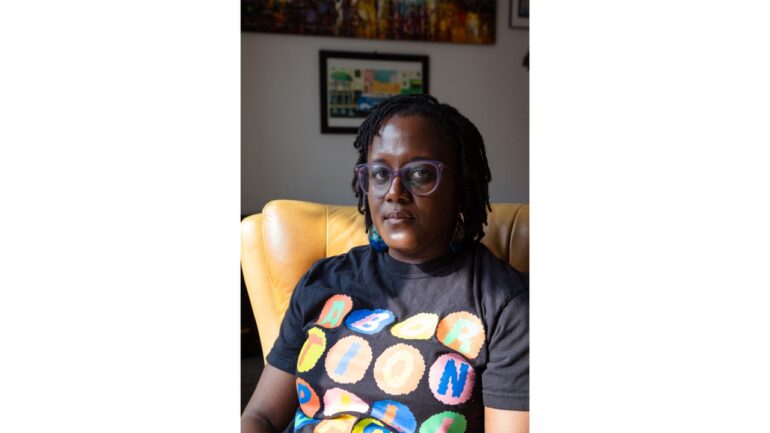
April Lockley usually fields calls as a volunteer provider for the Miscarriage and Abortion hotline while taking care of her 3-year-old daughter at home. It can be tricky to juggle hotline calls while also entertaining her toddler, but Lockley believes her daughter understands what she’s doing on some level.
“She doesn’t really know the concept of an abortion yet. We’re working on the uterus right now,” Lockley laughed in a phone conversation with HuffPost. “But she knows that mama helps people.”
Lockley, a family medicine doctor, abortion provider and medical director of the M+A hotline, mainly monitors texts and calls from her apartment in New York City. But she has fielded hotline calls from the back of an Uber, while grocery shopping and even a few times when she was getting her hair done. She’s usually on a four- to six-hour shift alone, during which she may field dozens of questions.
Some people are calling with simple questions: “Can I take ibuprofen after using abortion pills?” Others are in need of immediate support while managing an abortion at home: “Am I bleeding too much?” “Am I not bleeding enough?” Some calls can be heartbreaking: “I had a positive pregnancy test but now I’m bleeding. Am I having a miscarriage?”
Since Roe v. Wade fell, many callers are filled with concern: “If I go to the emergency room, will they call the police?”
Lockley has been with the M+A hotline since 2020 and has seen a marked shift in callers’ needs before and after the 2022 Supreme Court decision that overturned federal abortion protections. Before, most callers were worried about the amount of pain they might experience. Now, the biggest fears are around criminalization.
“The anxiety around a medical provider knowing they’re pregnant at all, the concern about legal safety – that anxiety is much more prevalent,” she said. “‘I went to the doctor, now my doctor knows I’m pregnant, are they gonna turn me in to the police?’ We get those questions all the time.”
Lockley only refers people to an emergency room if it’s necessary, since the ER can be scary for people self-managing their abortion in a state that bans the procedure. Despite self-managed abortion — when people access abortion pills without the help of a physician — being legal in nearly every state, many people have been criminalized for their pregnancy outcomes.
Reproductive health experts saw the writing on the wall after the first Trump administration: It wasn’t about if federal abortion protections would fall but when. In light of this looming reality, a group of physicians created the M+A hotline in 2019.
Nearly four years after the fall of Roe, 21 states have enacted abortion restrictions, including 14 near-total bans. But the number of people getting abortions in the U.S. has actually increased, in large part because of telehealth abortion care. Telehealth abortions — when a physician virtually prescribes abortion pills to a patient and sends the medication by mail — now account for one-quarter of all abortions in the country. Self-managed abortions using pills — when people access abortion pills without the help of a physician — also increased post-Roe.
Both types of abortions are safe and effective, and have become a lifeline for people in states where care is banned. But Republicans across the U.S. are ratcheting up their efforts to restrict them.
“We recognize that abortion access has never been great in this country, but after the first Trump administration, we knew it was going to get worse and worse,” Lockley said. “This hotline was an important piece of infrastructure to continue to help people and answer their questions throughout their abortion or miscarriage.” (The M+A hotline refers callers with legal concerns to the Repro Legal Helpline.)

Last year, the M+A hotline received a little over 14,000 phone calls — or around 40 calls a day. The hotline additionally receives around 40 text messages a day. It’s open seven days a week and staffed by over 100 volunteers, nearly all of whom are physicians, nurses, midwives or other health care professionals.
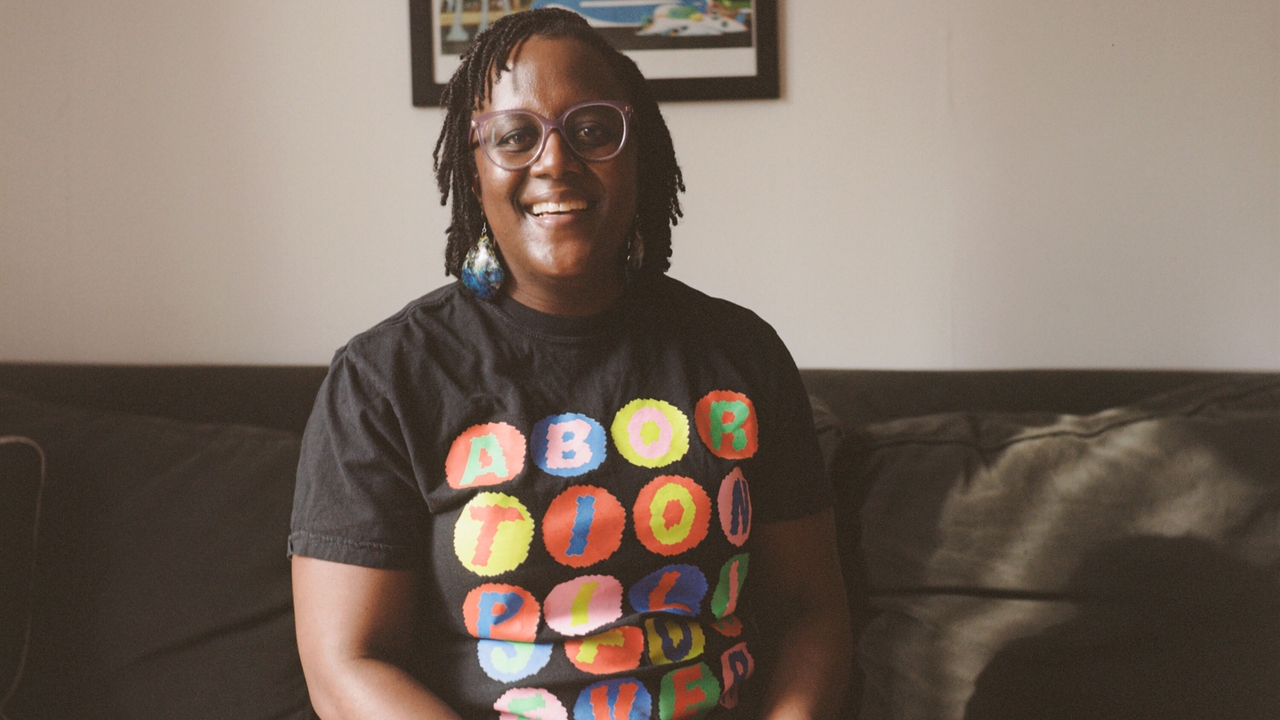
Everyone’s abortion experience is different, and Lockley has had a wide range of hotline conversations reflecting that. Some callers ask if they can continue taking their regular medications with abortion pills. Others don’t have health insurance, and getting abortion pills by mail is the only way they can afford to conclude a miscarriage. Sometimes, Lockley receives calls from people supporting someone having an abortion, like a parent or friend. More and more, she’s answering medical questions for people managing abortions later in pregnancy because they couldn’t get a clinic appointment.
Some of the more rewarding but emotionally complex calls are from teenagers who have never had any fact-based sex education. Lockley often starts the calls with the same questions: Have you had sex? Have you ever taken a pregnancy test? Do you know how your menstrual cycle works? From there, she can ask if there’s a safe place they can get mail or if they have a trusted adult in their lives.
Most callers live in the Southeast, where several states enacted near-total abortion bans right after Roe fell, according to an anonymous survey callers could opt in to after reaching the hotline. For people in red states, Lockley gives out referrals to safe physicians or clinics where they can make sure their telehealth abortion worked. Many former abortion clinics in states like Texas, Oklahoma and Tennessee are still open and offer reproductive health services including pregnancy tests and ultrasounds to confirm a termination was successful.
The threat of criminalization is very real for physicians, too. Although state shield laws protect providers who prescribe abortion pills by mail, a handful of red states have sued abortion providers from blue states. Lockley and her colleagues at the hotline are not prescribing abortion pills, but they often educate callers on how to access them.

“In order to help protect people and help keep people safe, we want to give them accurate information so that they can decide for themselves if this is something that they want to do and what their options are,” Lockley said. “Because when people feel like they don’t have any options, they are more likely to do something dangerous or get in legal trouble.”
If you or anyone you know needs assistance self-managing a miscarriage or abortion, please call the Miscarriage and Abortion Hotline at (833) 246-2632 for confidential medical support or the Repro Legal Helpline at (844) 868-2812 for confidential legal information and advice.