

🔴 Website 👉 https://u-s-news.com/
Telegram 👉 https://t.me/usnewscom_channel
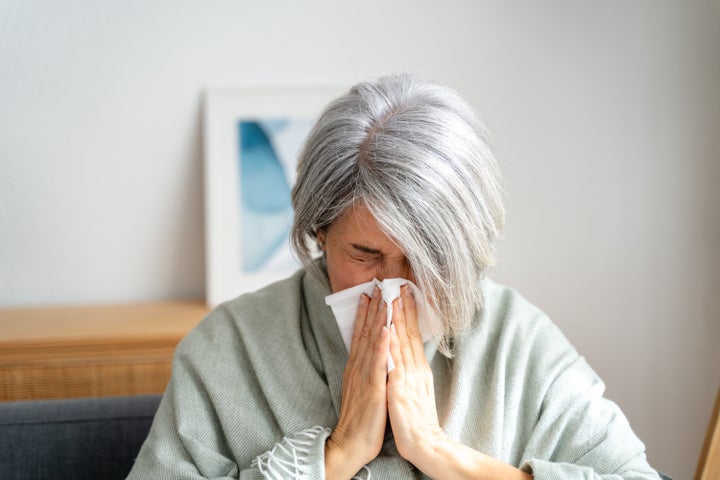
All over the internet (and in day-to-day conversations), people who recently had (or currently have) the flu are saying their symptoms are worse than previous flu seasons — more congestion, worse body aches, chills that linger for days.
“What is with the flu going around this year? why does it feel 10x worse and last for nearly 2 whole weeks?!” one person wrote on Threads. Another person posted on Instagram that she has “never experienced anything like that in my life.”
It sounds pretty scary, and this certainly is a scarier flu season.
According to Centers for Disease Control data, there have been at least 15 million cases of flu this season so far. In the same timeframe last year, the U.S. experienced 9.1 million flu cases.
With lots of flu circulating, do you need to worry about more severe symptoms, too? Here’s what doctors say.
This year’s flu symptoms are largely similar to ‘regular’ flu symptoms.
“Every year, we can see different flu manifestations,” said Dr. Buddy Creech, a professor of pediatric infectious diseases at Vanderbilt University School of Medicine in Nashville. “Some years are more associated with simple fever and chills. Sometimes we see more GI illnesses, especially in children, but this year, what we’re seeing is classic influenza — the fever, chills, muscle aches and respiratory symptoms that are common to influenza.”
That said, this flu season does have the makings of a “worse” flu season, overall, said Dr. Steven Lawrence, a professor of medicine in the division of infectious diseases at WashU Medicine in St. Louis.
“In general, a flu season as a season is going to be worse when the influenza A is dominant instead of [influenza] B, which is almost all flu seasons,” including this one, Lawrence said.
“Then, within flu A, the subtype H3N2 is generally a season that is more severe,” Lawrence said, adding that H3N2 is the dominant flu strain this season.
But when calling a flu season “worse” or “more severe,” experts aren’t referring to symptoms like body aches or a hacking cough. Instead, they look at the numbers that come from the CDC data (hospitalizations, outpatient visits, deaths), Lawrence explained.
It’s too early to tell if hospitalizations and deaths will surpass previous flu seasons, but there are currently a lot of flu cases in emergency departments.
“There’s nothing to suggest, though, that this year is particularly worse as far as symptoms go, or longer as far as duration goes,” Lawrence said.
There are a few issues that may cause more severe illness in some people.
Doctors say there are factors that can impact just how severe (or not severe) a flu infection is.
“There are certainly going to be people who have different symptoms based on whether they’ve been vaccinated, or how recently they’ve been vaccinated,” Creech said.
While the vaccine wasn’t a perfect match against H3N2, it “still showed a reduction in the severity of the illness,” said Dr. Nesreen Hermes, the medical director of Hermes Health in Illinois.
Those who get the flu vaccine generally have less severe symptoms and a shorter length of illness than those who don’t.
“I’m not going to be surprised if there are more reports of more serious infections this year because fewer people this year, it seems, are taking advantage of vaccination,” Creech said. “That’s why we encourage people, especially those with high-risk conditions, but really, everyone over the age of six months, to take advantage of the protection that a vaccine can afford.”
Your flu shot may not keep you from getting the flu, and that’s OK. Once again, it can reduce the severity of flu symptoms and keep you from ending up in the hospital or dying.
“We sometimes get breakthrough infections, like I did last year, and even though my illness was shorter than it would have been, it was still no walk in the park,” Creech explained.
Those who had a recent case, like Creech, also have additional protection. A previous infection, Creech said, can also fortify flu protection in the future — just like a recent COVID-19 infection bolsters your protection against COVID-19.
The flu’s prevalence in the news and in daily conversation also plays a role in this perception.
Recency bias may also be playing a role in perceived flu severity, according to Lawrence. Whatever virus you have most recently often feels like the worst one.
Our perceptions are also influenced by how much discussion there is online, on social media and in our day-to-day lives.
Anecdotally, “I think if there’s a lot of just a lot of people saying, ‘Oh, I’m really sick with flu,’ and say there’s even more people saying that this year than prior, that might be a factor as well,” Lawrence said.

PixelVista via Getty Images
To avoid the flu this winter, there are several things you can do:
No one wants to be down for a week-plus with a case of the flu.
The virus tends to spread indoors in crowded spaces, so, depending on your lifestyle, you may not be able to totally avoid getting sick, according to Lawrence, but there are still things you can do to reduce your risk of falling ill.
“The most important intervention is to be vaccinated … it’s not going to work perfectly to be able to prevent getting flu illness, but we do actually have reason to believe that it will somewhat reduce the chance of getting flu, but more importantly, reduce the chance of getting really sick from flu,” Lawrence said.
All three doctors stressed that it’s not too late in the season to get the flu vaccine.
“Hand hygiene, I cannot stress it enough. Respiratory droplets, the way they transfer, they’re not teeny, tiny ones. You can wash them off, and if you avoid touching your face, you can lessen the amount of transmission,” Hermes said.
Wash your hands for 20 seconds with soap and warm water. If you’re out and about, use hand sanitizer. If you often find yourself in indoor spaces with other people, masking is also still a great way to keep yourself healthy, Lawrence noted.
“It actually helps prevent transmission even more [for flu] than it did for COVID,” Lawrence said.
While you’re gathering with others indoors, it’s also helpful to keep your distance — maybe don’t be as huggy as you are outside of cold and flu season, Hermes suggested.
“And then making sure you protect your sleep, you get a good amount of sleep, that’s where you recharge and get your immunity,” she said. Also, “just trying to live as much of a healthy lifestyle with nutrition and hydration and stress reduction.”
“If you think you have the flu, talk to your health care provider so that antivirals can be considered,” Creech said.
These medications can help keep flu symptoms from getting severe and prevent flu-related complications. They’re most recommended for folks at high risk of severe illness, but Creech said they should be considered for everyone with the flu.
While flu symptoms this year are not inherently worse than previous years, factors like low vaccination levels may make your individual case worse than in the past. If you notice any flu symptoms, let your doctor know so they can help you recover quickly.