

🔴 Website 👉 https://u-s-news.com/
Telegram 👉 https://t.me/usnewscom_channel
Cold weather is one thing, but no one likes to feel freezing indoors, where you’re supposed to be warm and cozy. So if your heater and blankets aren’t cutting it, you might wonder: What gives?
Usually, your window is the most common culprit of a cold and drafty space. About 30% of a home’s heating energy is lost through windows, according to the Department of Energy.
But beyond windows, there are several reasons why your home could feel colder than it should. Here’s why you should address them sooner rather than later, according to experts:
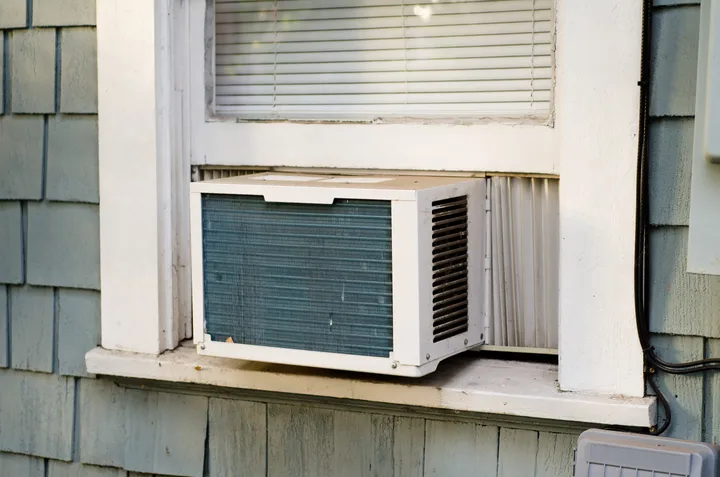
Your A/C unit is letting air in.
TokenPhoto via Getty Images
Katie Whitaker, founder of New York City-based home repair business Handyma’am, said one of the most common causes of a too-cold home is a window air conditioning unit that has been left installed over the winter.
“It’s a box made to move air, so it’s going to do that,” Whitaker said. One option is to bring your air conditioning unit inside, so you can keep the window more firmly shut. But that’s not an option for everyone.
“When you’re a renter, you have so little space, and a lot of times you don’t get a choice,” Whitaker said. They noted that there is an easy fix for people who need to keep their A/C unit on the wall: buying a weatherproof indoor and outside cover for your unit.
“I cannot recommend them more highly,” Whitaker explained. “They keep out bugs, they keep out mildew, they keep out unwanted growth inside that machine, and they keep a draft out.”
Your vents are closed.
The air vents you often see in your floor should be kept open. You may think that keeping vents closed in an unused room is helpful, but it is actually making your HVAC system more inefficient.
During summer, people run their cooling systems and some people might “close [the air vent grates], so it’s not as cold in the room, and then just forget about it,” said Shanika Whitehurst, associate director of product sustainability, research and testing at Consumer Reports. “And then they’re like, ‘Why is this room so cold?’”
In these cases, all you need to do is reopen those vents.
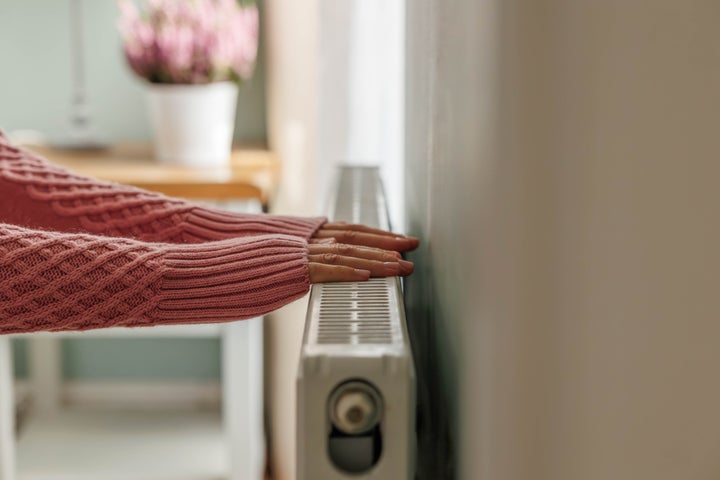
Your radiator isn’t working properly — or it’s blocked.
Olga Dobrovolska via Getty Images
Is your radiator taking forever to heat up? Are parts of your working radiator cool to the touch? It might not be working properly.
Over time, “the more water that accumulates in your radiator, the less room there is for that hot steam [and] air to pass through and effectively heat the unit,” Whitaker explained. That means it’s time to drain the radiator, they said.
This will typically involve turning off all power to the boiler and the water intake valve so you can open the drain valve. If you’re a renter, ask your landlord to do this for you, Whitaker suggested.
Additionally, is your sofa or lounge chair directly in front of your radiator? Consider giving your radiator some space, because your furniture could be absorbing the heat meant for the rest of the room, Whitehurst said.
Your furnace filter is clogged.
Furnaces are one of the most common heating systems. If you have one, it’s probably in a utility closet or a basement. They work by distributing warm air throughout your home ― but if a furnace’s filter is clogged with dirt or debris, it may not work properly.
A blocked filter “is not allowing proper air flow through [the furnace]. And … you’re making your furnace work harder to do the same job,” Whitehurst said.
So doing regular maintenance on your furnace can help you stay warm and save money on bills. “If you haven’t checked your filter, you might want to get it cleaned,” Whitehurst suggested.
You’re not utilizing your curtains.
Taking advantage of the sun’s natural warmth can make a significant difference.
“Even if your home wasn’t intentionally built with passive solar design in mind, you can still use a few low-effort tricks to harness the sun’s heat,” said Courtney Klosterman, home insights expert at Hippo home insurance.

Keep your curtains or blinds open during the day and close them at night, she said. And if you can, avoid planting evergreen trees south of your home, since they can block out the sunlight.
You’re not properly addressing your floors.

Pancake Pictures via Getty Images
If going barefoot inside feels like walking on ice, you might be suffering from poor insulation. Because heat rises, people who live on lower levels are particularly prone to having chilly floors.
“If it’s a basement, it’s going to be much cooler down there, and you’re not going to get that thermal vacuum that helps keep you warm,” Whitaker explained. “On bottom floors, I think something that’s often overlooked is the floor, and it will help to put rugs down.”
Whitaker recommended getting a thick woolen rug pad, as well, because it will help your rug retain heat better.
Your door is quietly letting air into your home.
Oftentimes, an indoor cool breeze might be coming from a door that is no longer hanging as it should.
“If you feel a draft with your hand when you’re sitting somewhere, follow that feeling and see where it’s coming from, and then you want to block that hole,” Whitaker said.
In these cases, Whitaker recommends getting a door draft stopper to plug that gap. For a DIY option, they said, you can use an old pair of tights or leggings: “Just tie a knot and fill with rice, sand, beans or whatever you have handy.”
And if the draft is coming from a window, you can use plastic window film or thermal curtains, which can help reduce drafts, Whitaker suggested.
These little steps do not involve making major, costly replacements ― but they could add up to a big difference in the temperature of your home.
The original version of this story was published on HuffPost at an earlier date.