

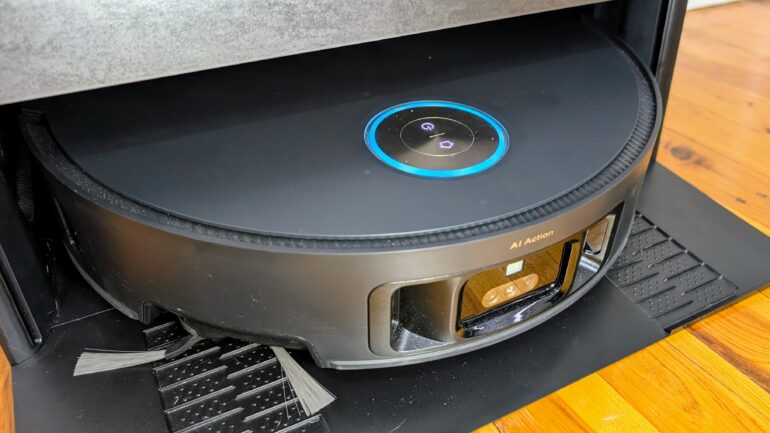
🔴 Website 👉 https://u-s-news.com/
Telegram 👉 https://t.me/usnewscom_channel
Why you can trust TechRadar
We spend hours testing every product or service we review, so you can be sure you’re buying the best. Find out more about how we test.
Dreame Matrix10 Ultra: two-minute review
Dreame Technologies is fast making a name for itself by producing a big range of robot vacuums, from affordable options through to high-end bots like the Dreame Ultra X40 I reviewed last year, which, until now, was the smartest robovac I had tested.
Like most higher end robovacs, the Matrix10 Ultra handles both vacuuming and mopping and comes with a base station that empties the robovac’s dustbin, dispenses water + cleaning fluids for the mops, and cleans the mopping system.
It stands out however with a unique multi-set mop pad system, a 4.2cm step climbing ability, automatic dispensing of three different floor-cleaning fluids, a wide array of sensors, plus the ability to recognise over 240 objects using its cameras.
That all sounds complex, but getting the Matrix10 Ultra up and running was relatively simple – unpack it, plug it in, connect to the app and follow the prompts. Within 10 minutes it was mapping my home, and within 20 minutes I had it cleaning up the endless dog fur shed by my Great Dane.
The Dreame bot is especially great at identifying and avoiding obstacles like shoes or cables and can even recognise your pets and give them space when cleaning. In my four weeks of testing, it didn’t make a single mistake or get stuck, whereas other bots had a tendency to occasionally try to chomp an electrical cable or suck up something that would jam the brushes or clog the intake.
Back at the start of the year when testing the Dreame X40 Ultra, I found the app a little clunky at times, with minor niggles like inconsistent navigation gestures and a convoluted layout to reach certain settings. While it’s not perfect, I am happy to report that the app is now much more refined, and the Dreame team has done a great job of polishing it to the point expected in this price range.
The Matrix10 has a CleanGenius mode puts the robovac in charge and it uses its own smarts to work out what cleaning is needed, then vacuums, mops and even goes back over areas when it decides an extra pass is warranted. The results are good overall, but I found it could be a little too eager on my polished wooden floors, pushing to mop them more often than the once-a-week routine I think they actually require.
In the end, my favoured setup was a scheduled daily vacuum and a separate mop run once a week. I also set up app shortcuts for specific scenarios, like an extra vacuum or mop near the front or back door if my dog walks in with muddy paws.
The Matrix10 Ultra also includes features specifically for edge and corner handling, including a side brush that can extend to sweep up harder to reach debris, or clean under the edge of low furniture. It pairs that with dual spinning mop pads, with one pad able to protrude further out when extra coverage is needed up to and under edges.
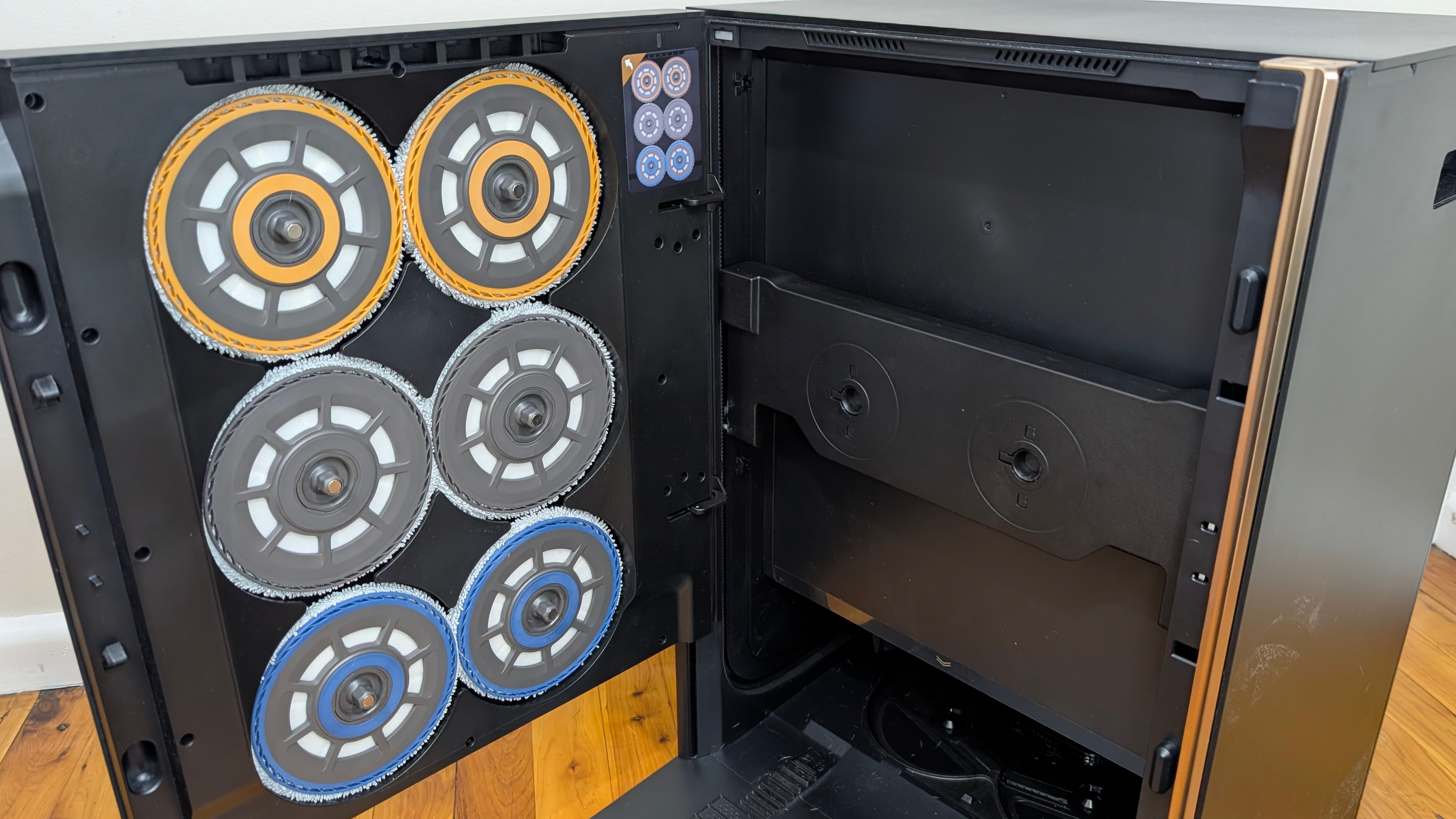
A unique feature of the Matrix10 is the inclusion of three pairs of mops that can be used to clean different areas of the home, to avoid cross contamination. For example, I used one pair for general cleaning, one pair for kitchen cleaning, and one pair for bathroom cleaning. This doesn’t require any extra effort on my behalf, as the base station automatically changes the mop pads, as well as cleans and dries them.
The mop pads also attach magnetically, so the bot can leave them at the base station before it moves onto carpet, which reduces the risk of dragging damp pads over rugs or spreading leftover mop water where it doesn’t belong.
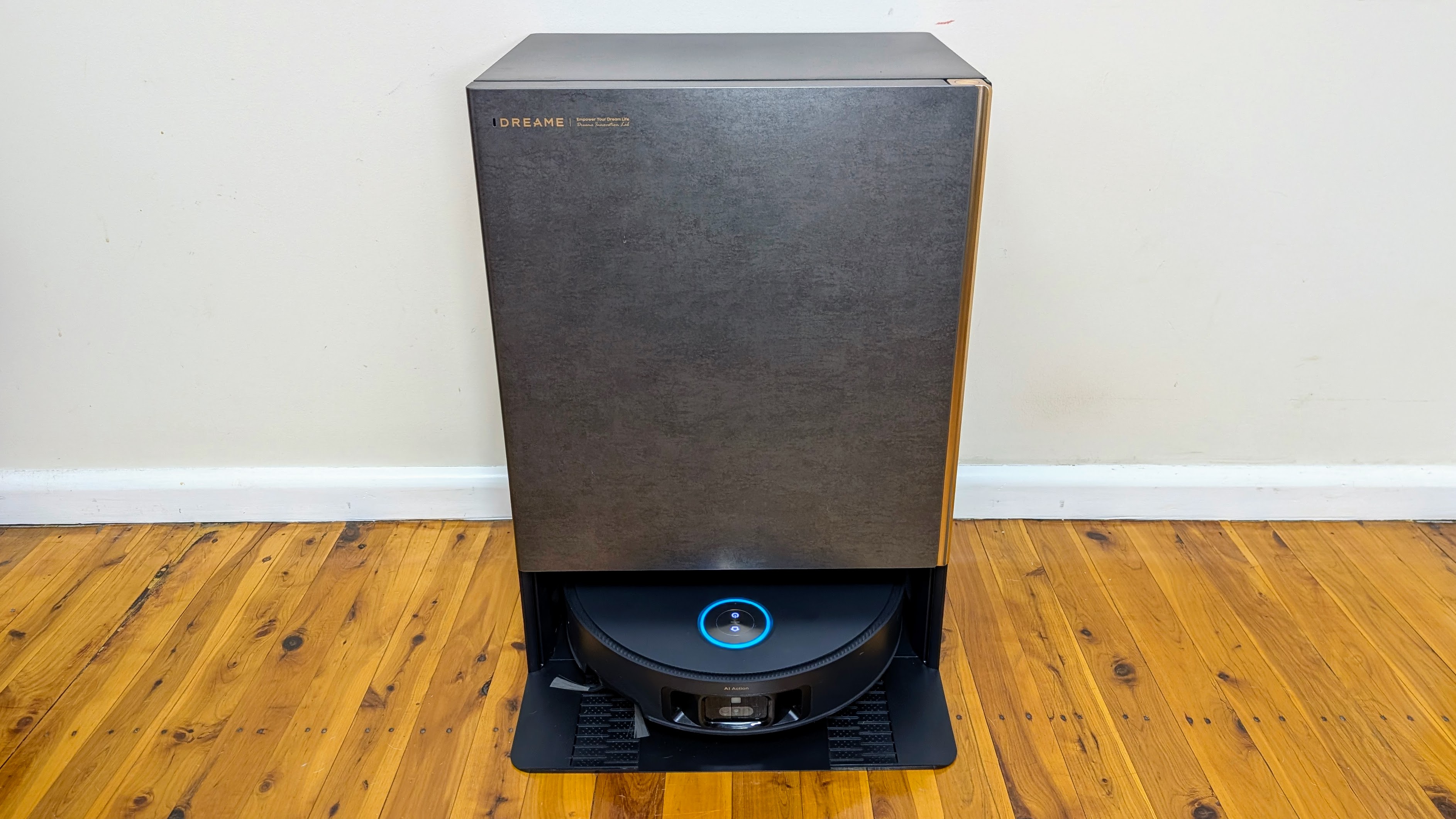
After four weeks of daily use (and multiple times a day in many cases, as my Great Dane does a great job of adding mess), I can’t fault the Matrix10’s vacuuming ability and I found that it performed equally well across hard floors, carpet and rugs. Plus, the extendable side brush did a great job of getting into corners while sweeping debris away from skirting boards and wall edges.
The spinning, extendable mop pads were just as effective, and in my weekly mop sessions, that gave a clean finish while also scrubbing off the kind of sticky spills that usually mean breaking out an old scrubbing sponge or mop.
Back at the base station, the Matrix10 washes the mop pads with hot water, then uses hot air to dry them, which means no odours build up. Wear items like the mop pads, filters and corner brush also held up well in my use, and there’s no sign that you’ll need to frequently buy replacements.
The Matrix10 also has a big focus on being able to interact well with pets in your home, and the many objects it can detect include pet droppings. While my dog is house trained, I can confirm it really does work, and the robovac will identify and avoid any pet accidents, meaning you won’t have to experience coming home to a bunch of smeared mess and a robovac that needs a bath. The Matrix10 can also detect wet patches (from human spills or pet accidents) so it won’t spread or vacuum over any puddles it encounters.
Another key feature of the Matrix10 is the ability to climb a 4.2cm step, with up to 8cm of height for a double step as long as the gap between the two is larger than 4cm. It’s not just steps either and the robovac can climb over other small obstacles – I found I could even send it in to mop inside my shower if I wanted. This is a game changer for homes with minor obstacles that will stop a lesser bot, and means there is no need for little ramps to help it get between areas.
One of my main complaints with the X40 Ultra was the base station piping and suction, as it was weak enough to often get clogged, and not fully fill the vacuum bag. The good news is that Dreame has completely fixed this problem, and I didn’t have a single issue with the base station emptying the robovac. Amazingly, they have managed this while also making it significantly quieter, and better at containing any vacuum bag smells.
It has to be said – the Matrix10 Ultra is not cheap. In fact, it’s one of the more expensive models on the market, but when you compare the actual technology and features on offer, the overall value is excellent.
Dreame Matrix10 Ultra review: Price and availability
- How much does it cost? Starting from $1,999 / £1,399 / AU$3,499
- When is it available? Available to buy now
- Where can you get it? You can get it in the US, UK, and Australia
The Dreame Matrix10 Ultra was announced in August 2025 and can be bought directly from the Dreame website in most regions, as well as from major retailers or marketplaces like Amazon. For this review, I will mostly be focusing on Australian pricing.
At the time of writing, it’s new enough that availability is still a touch limited in Australia. It has an asking price of AU$3,499 and is new enough that there haven’t been any notable discounts, and at times has been sold out.
Of course, like any robovac, using the Matrix10 Ultra will incur ongoing costs – especially the non-reusable dust bags – but more on that later.
If you don’t need all the features offered by the Matrix10 Ultra, or have a simple home layout with few obstacles, then premium alternatives like the Dreame X50 Ultra, or the X40 Ultra are worth looking at. There are slightly cheaper models too, from the Dreame L40 and Dreame L20 Ultra, through to the Dreame L10s Ultra or D10 Plus.
|
Part |
Price |
|---|---|
|
Dust Bags x3 |
AU$39.95 |
|
Dust bin filter |
AU$49.95 |
|
Side brush x2 |
AU$44.95 |
|
Mop pads x4 |
AU$49.95 |
|
Floor cleaner |
AU$39.95 |
|
Main brush |
Not sold by itself in Australia |
|
Kit* |
AU$249.95 |
| Row 7 – Cell 0 |
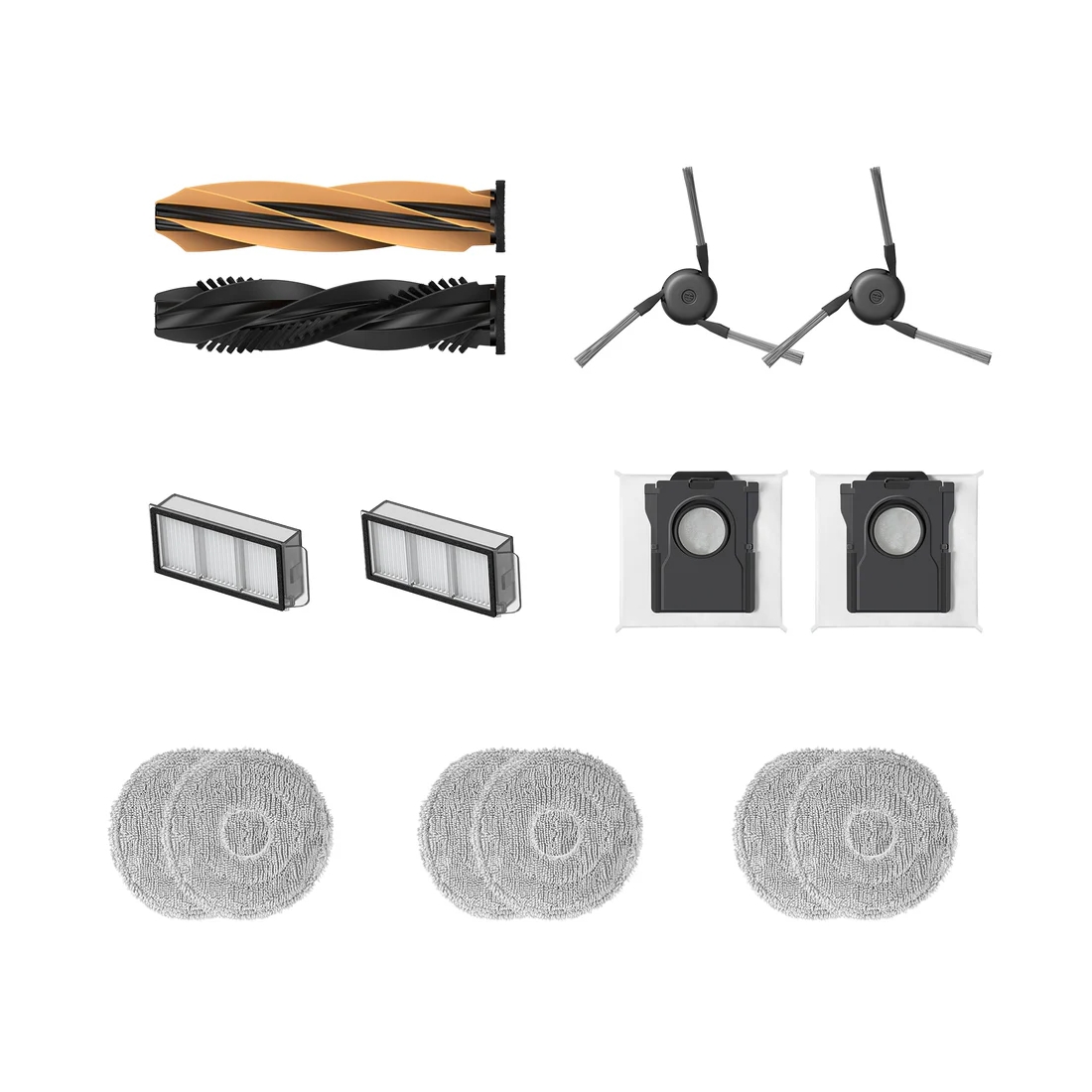
* Kit contains 2x dust bags, 2x dust filters, 1x main duo brush, 2x side brushes, 6x mop pads |
Dreame Matrix10 Ultra: Specifications
| Row 0 – Cell 0 |
Matrix10 Ultra Robovac |
|
Suction |
Up to 30,000Pa |
|
Rated Power |
75W |
|
Dust bin |
0.31 litre (10.5 oz) |
|
Water Tank |
80 ml (2.7 oz) |
|
Side brush |
Extendable, liftable |
|
Mops |
Dual spinning, auto detachable, raisable 10.5mm (0.4-inch) |
|
Step clearance |
80mm (3.1-inch) double-layer, 42mm (1.7-inch) single |
|
Battery capacity |
6,400 mAh |
|
Charge time |
4.5 hours |
|
Obstacle recognition |
240+ objects |
|
Floor mapping |
4 floors |
|
Wi-Fi |
2.4GHz only |
|
Dimensions |
35.0cm (width) x 35.1cm (depth) x 8.9cm (height) (13.8-inch x 13.8-inch x 3.5-inch); 11.1cm (4.4-inch) sensor raised |
|
Weight |
4.7kg (10.4lbs) |
| Row 15 – Cell 0 | Row 15 – Cell 1 |
| Row 16 – Cell 0 |
Base Station |
|
Clean / Dirty water volume |
5.5 litre (186 oz) / 4 litre (135 oz) |
|
Dust bag |
3.2 litre (108 oz) |
|
Cleaning solution |
Auto solution dispenser (triple-compartment) |
|
Mop washing |
100ºC (212ºF) hot water, hot air drying |
|
Dimensions |
45.7cm (depth) x 41.6cm (width) x 59.0cm (height) (18.0-inch x 16.4-inch x 23.2-inch) |
|
Weight |
16.6kg (36.6lbs) |
| Row 23 – Cell 0 | Row 23 – Cell 1 |
|
Warranty |
Three years |
Dreame Matrix10 Ultra review: Design and features
- 3 pairs of changeable mop pads
- Base station with auto empty and mop clean
- 4.2cm step climbing ability
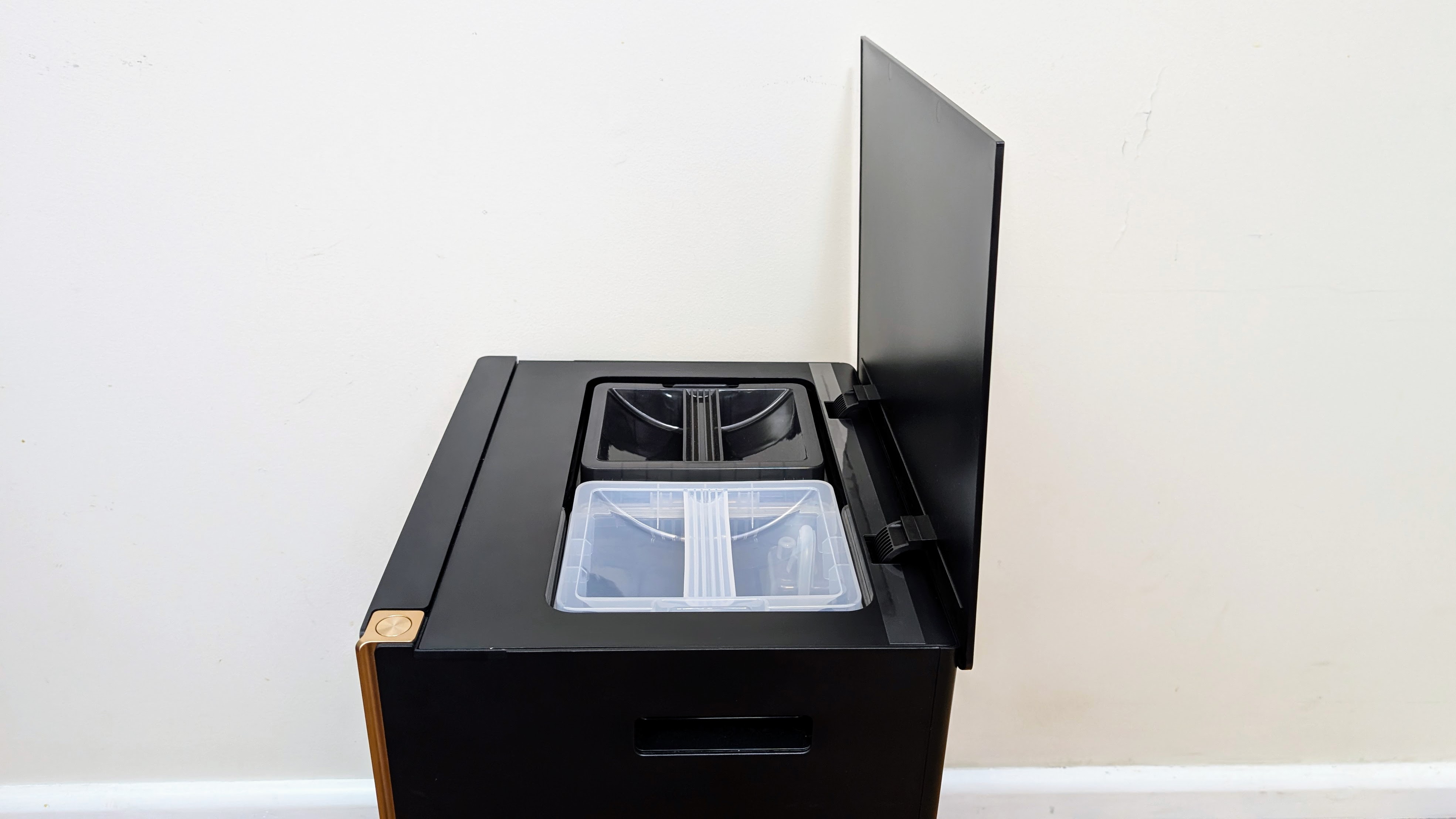
Despite a bunch of innovative features, the Matrix10 Ultra has a fairly standard design overall – a normal round robovac form factor paired up with a base station that handles charging, dustbin emptying, floor-cleaner dispensing, mop changing, mop washing and drying – and it holds the containers for clean and dirty mop water.
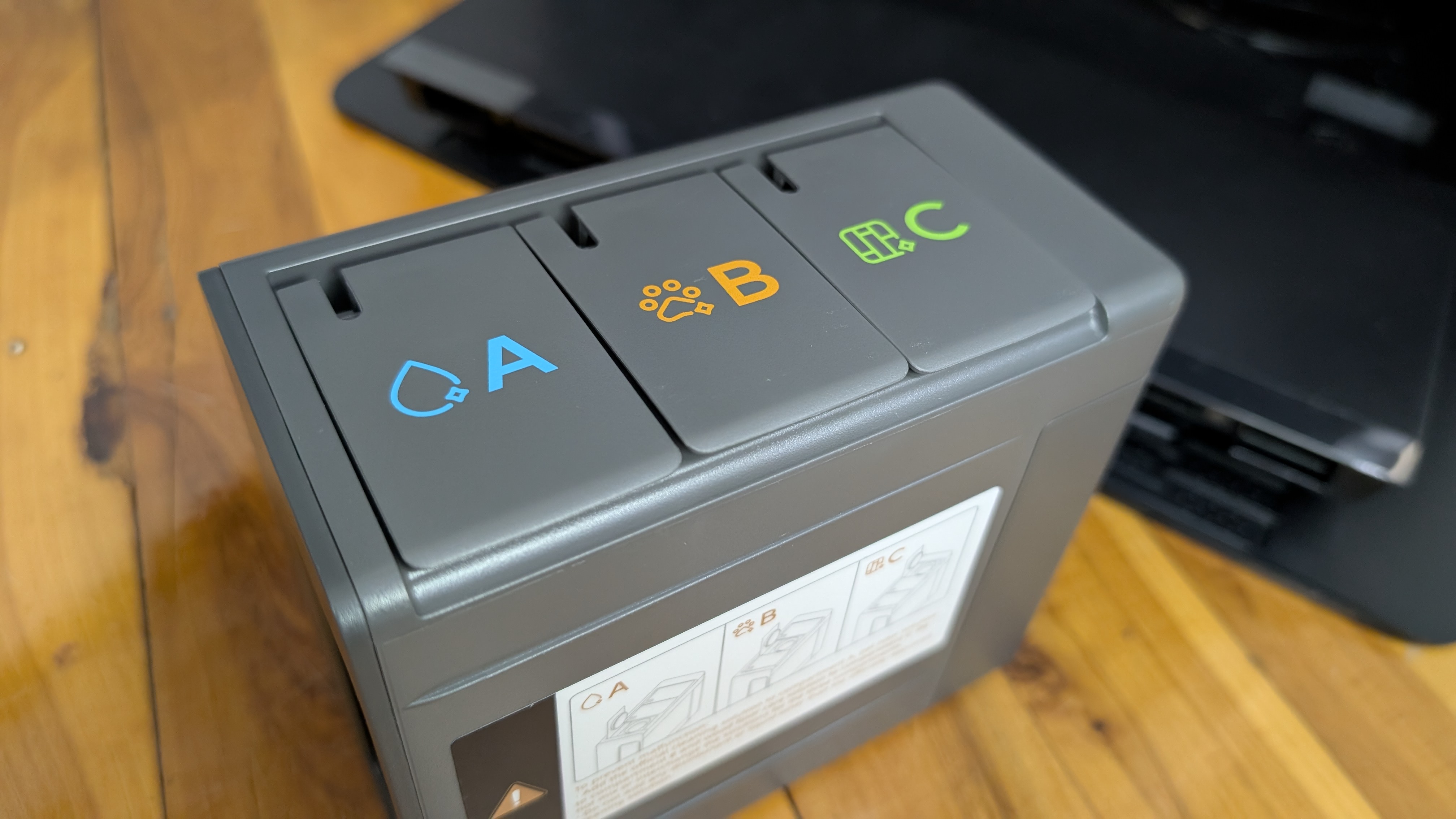
In the box, you get the robovac itself, the base station, three dust bags (with one already installed in the base station) and 12 mop pads in total, with six preinstalled on the mop pad holders. Along with that there’s 1 litre of floor cleaning liquid, a small 200 ml bottle of pet odour reducing solution, a 200 ml bottle of wood floor care solution and a spare side brush.
Setting up the Matrix10 is very easy – the base station needs the ramp attached, but otherwise, it’s ready to go once plugged in and charged. After installing the app, you scan a QR code on the robovac, and it walks you through the rest of the process in just a few minutes.
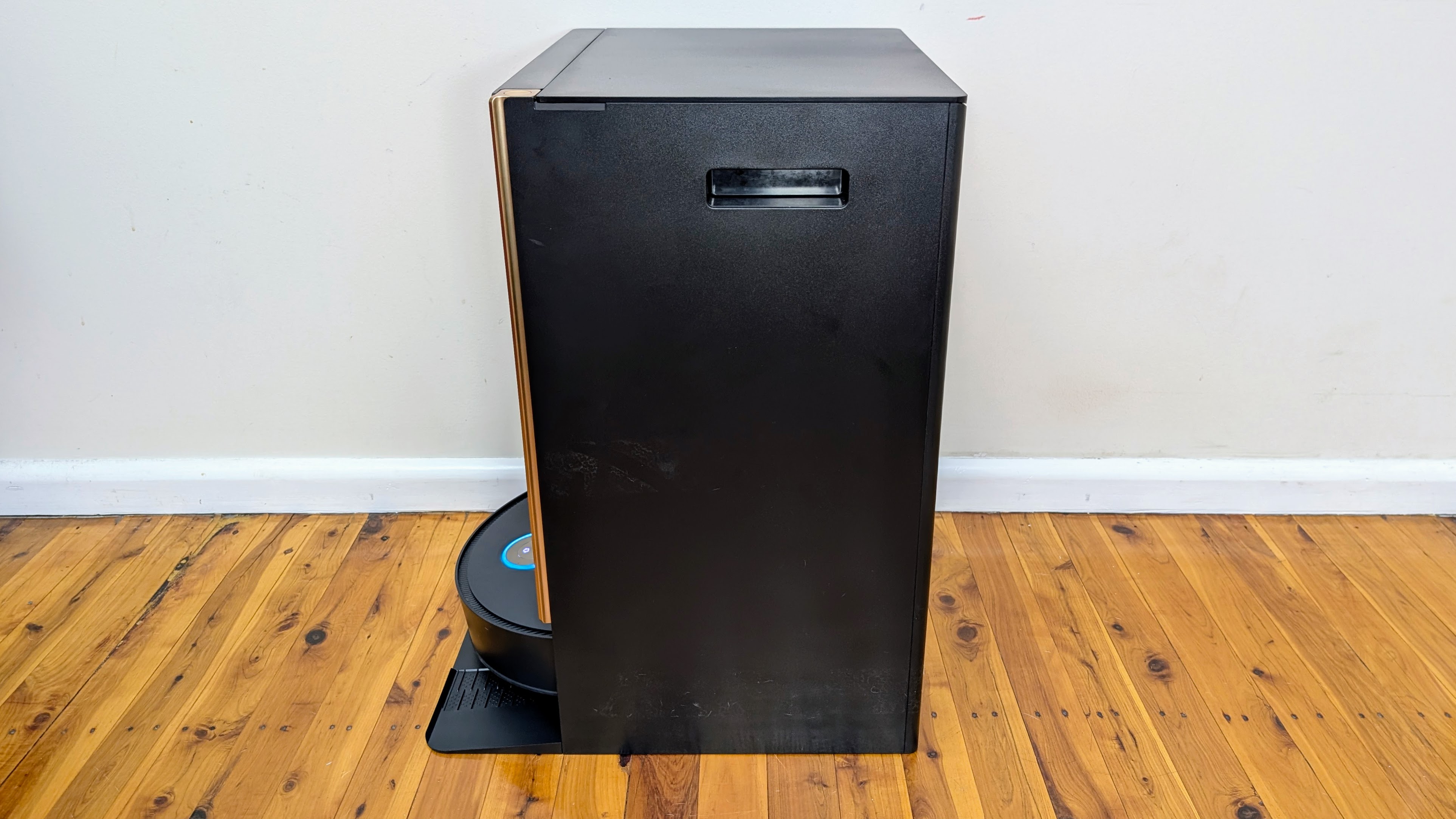
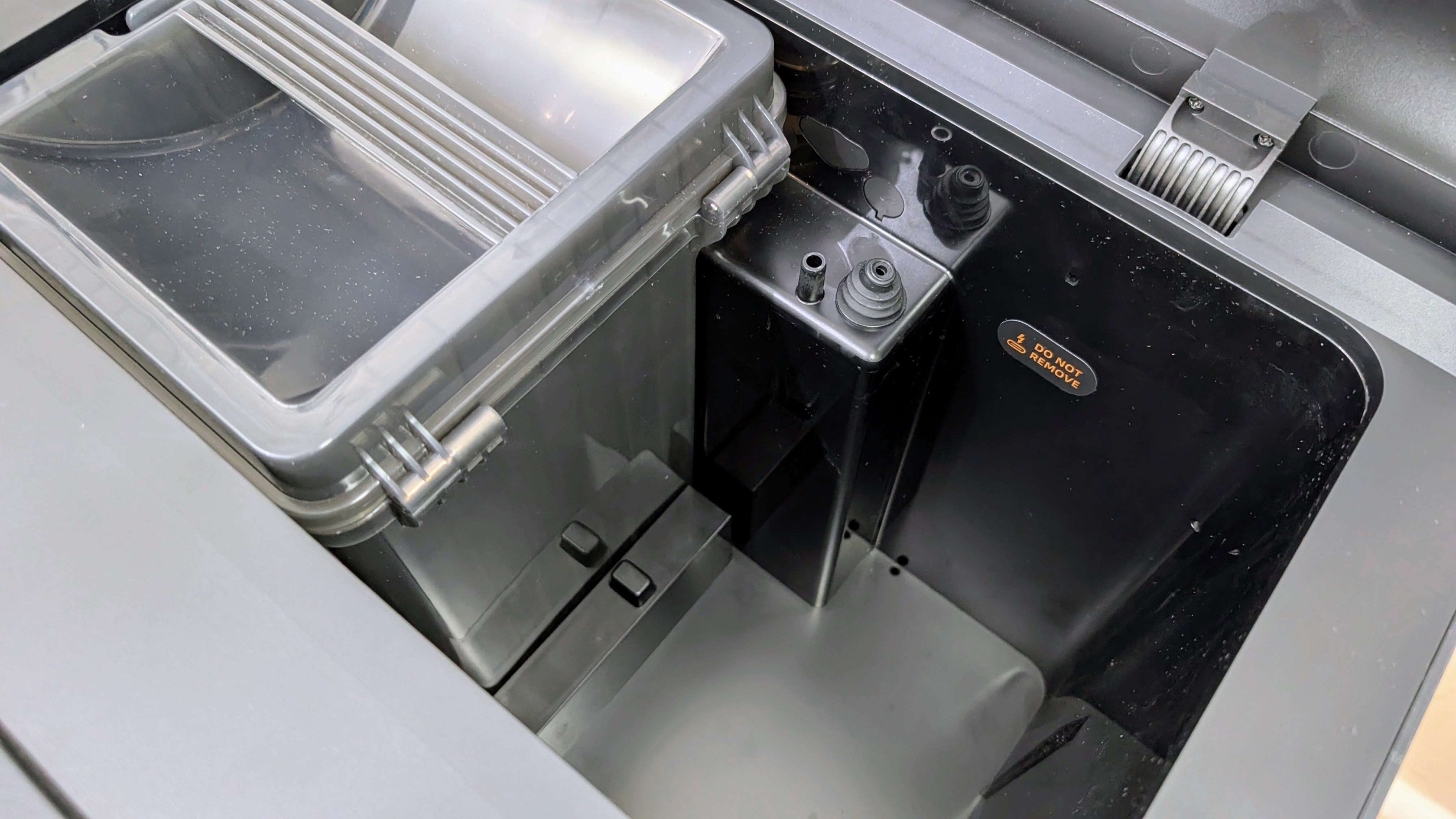
The base station is about the same height as similar models (58.9 cm / 23-inches), but a bit wider (42cm / 16.5-inches) and deeper (46cm / 18-inches) than many. Still, it fits into a smallish space (I had it next to the couch as it made a handy side table) as it only needs 5cm (2 inches) of clearance on each side. The dust bag and floor cleaner dispenser are tucked away under a big swing out door on the front of the base station, while the mop water is changed via a hatch on the top.
For those who prefer to place it under a bench, you can still slide it out easily enough and Dreame has an optional kit that plumbs the base station into a fresh-water supply and a waste-water outlet, making mop water changes fully automatic – though it’s not yet available to buy in Australia.
For those who want to integrate the robovac into a kitchen or laundry, this is a very handy extra and greatly reduces the amount of ongoing maintenance needed.
The Matrix10 sports a bevy of sensors to help navigate your home, spot areas that need an extra clean, and avoid any pets or places where it could get stuck.
At the front, the bot has an AI HD camera and an AI IR camera, along with 3D Dual-Line Laser sensors and an LED auxiliary light, so it can still pick out obstacles in a dark room. Underneath there’s a carpet sensor and downward-facing cliff sensors for spotting steps and drops. An edge sensor helps it run close to walls and along edges, while the retractable VersaLift sensor on top takes care of mapping and navigation. Dreame says the whole system can recognise 240+ types of objects, including troublemakers like cables that can snag the brushes.
The Matrix10 Ultra gives you five suction levels: Quiet, Standard, Turbo, Max and Max+, with Dreame rating the latter at up to 30,000Pa. The catch is that Max+ only shows up for a one-off clean and you can’t use it in a schedule or in a customised shortcut run. This means the full advertised suction isn’t what you will actually use most of the time.
On the cleaning hardware side, the robovac can extend its side brush to reach into corners, track along edges and poke under the lip of low furniture. It can also lift that brush by 10mm, to avoid smearing liquids it spots.
The Matrix10 includes three pairs of mop pads, which it can automatically change and then use for cleaning in specific areas. The bot can also leave the mop pads in the base station when vacuuming, which means no mop contamination or dampness is possible when vacuuming thick carpets. It can also lift the pads when vacuuming carpet, but the clearance is 10.5mm, so on thicker rugs or deeper pile carpet, leaving the pads behind at the base station is an even safer option.
The right-hand mop pad is extendable too, letting the Matrix10 Ultra clean closer to corners, scrub along the kickboards of kitchen cabinets and even get under the edge of low appliances. For example, it does a great job of cleaning under the front edge of my fridge, where I’d normally have to open the freezer door and clean the floor by hand if doing it myself.
Image 1 of 5
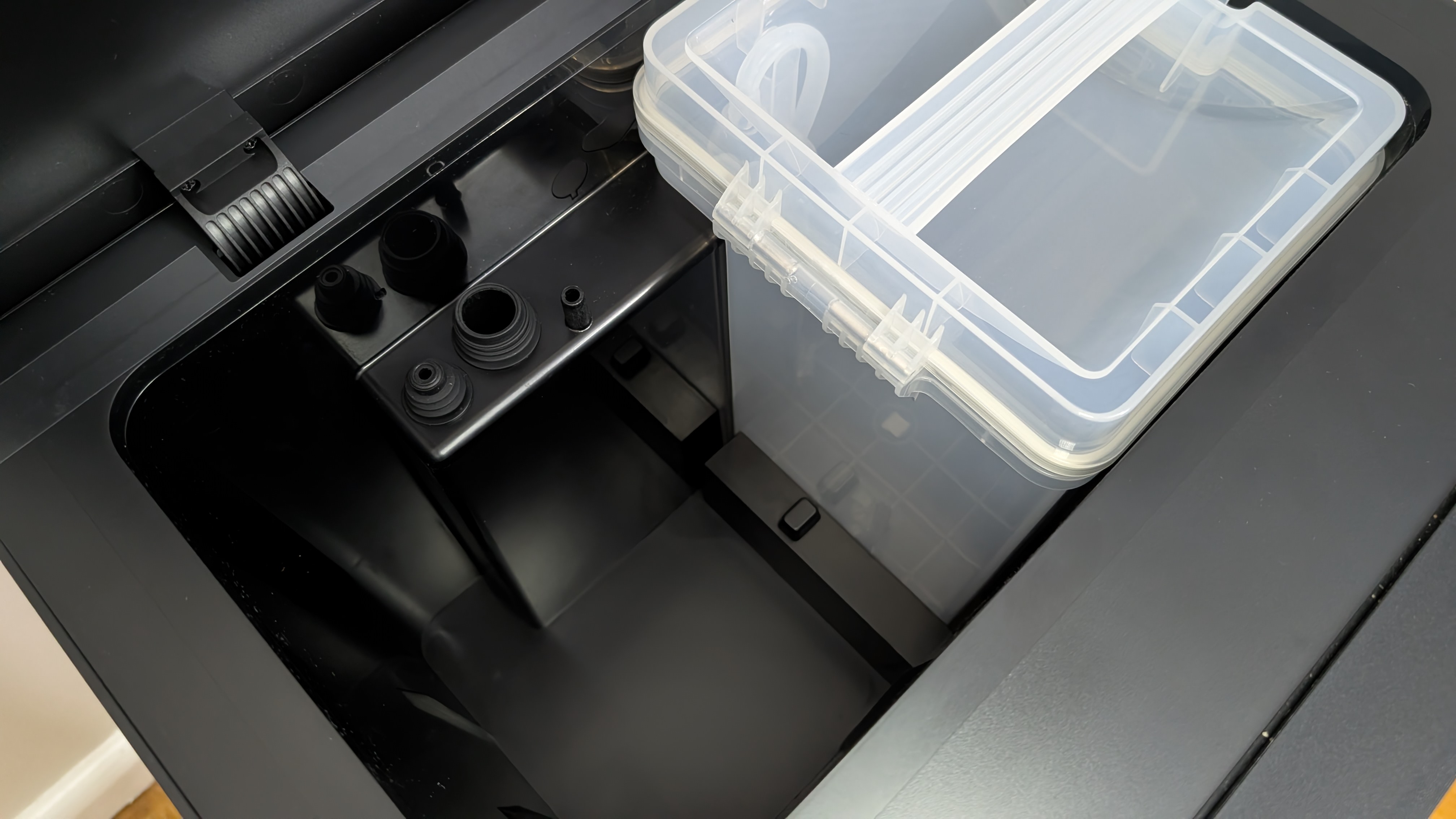
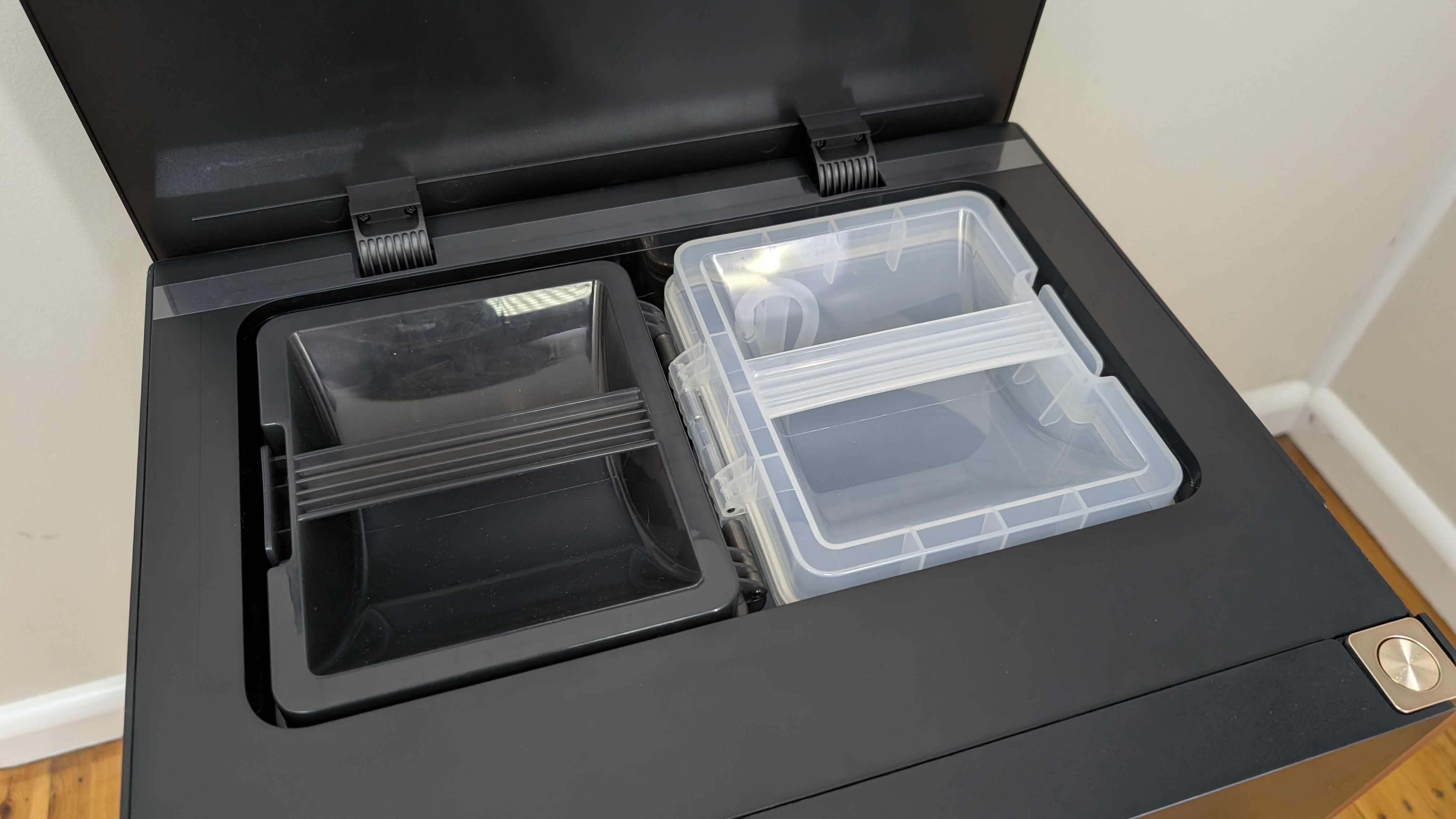
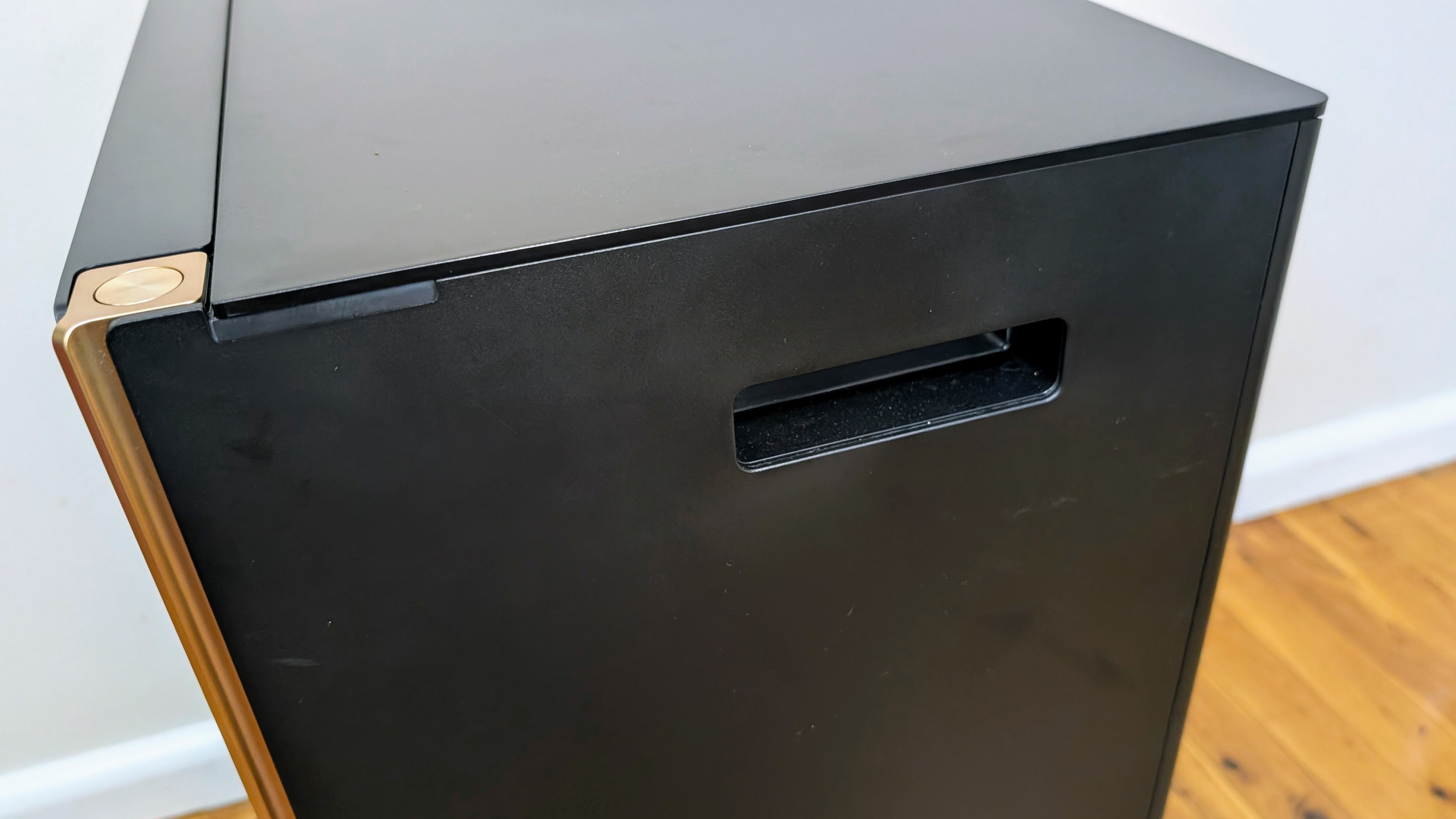
The Matrix10 includes voice control using the phrase “Ok Dreame”, and can be integrated into your existing third-party voice assistants like Google Home, Siri and Alexa. There is also an option where you can ask it to “come here and clean” and it will locate you and clean that area. For those with existing smart home setups, the Matrix can be integrated into most systems, and it supports the Matter standard.
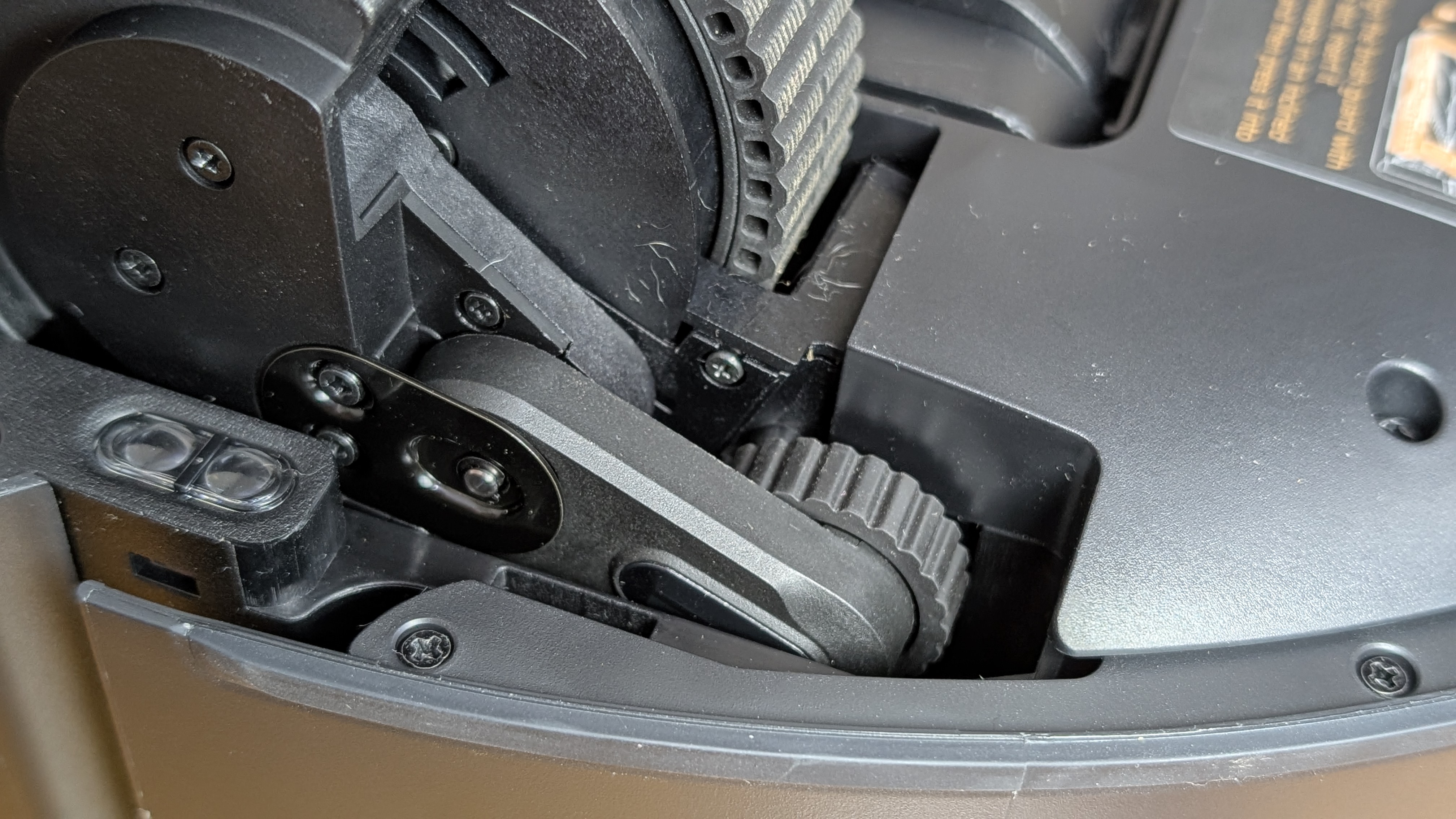
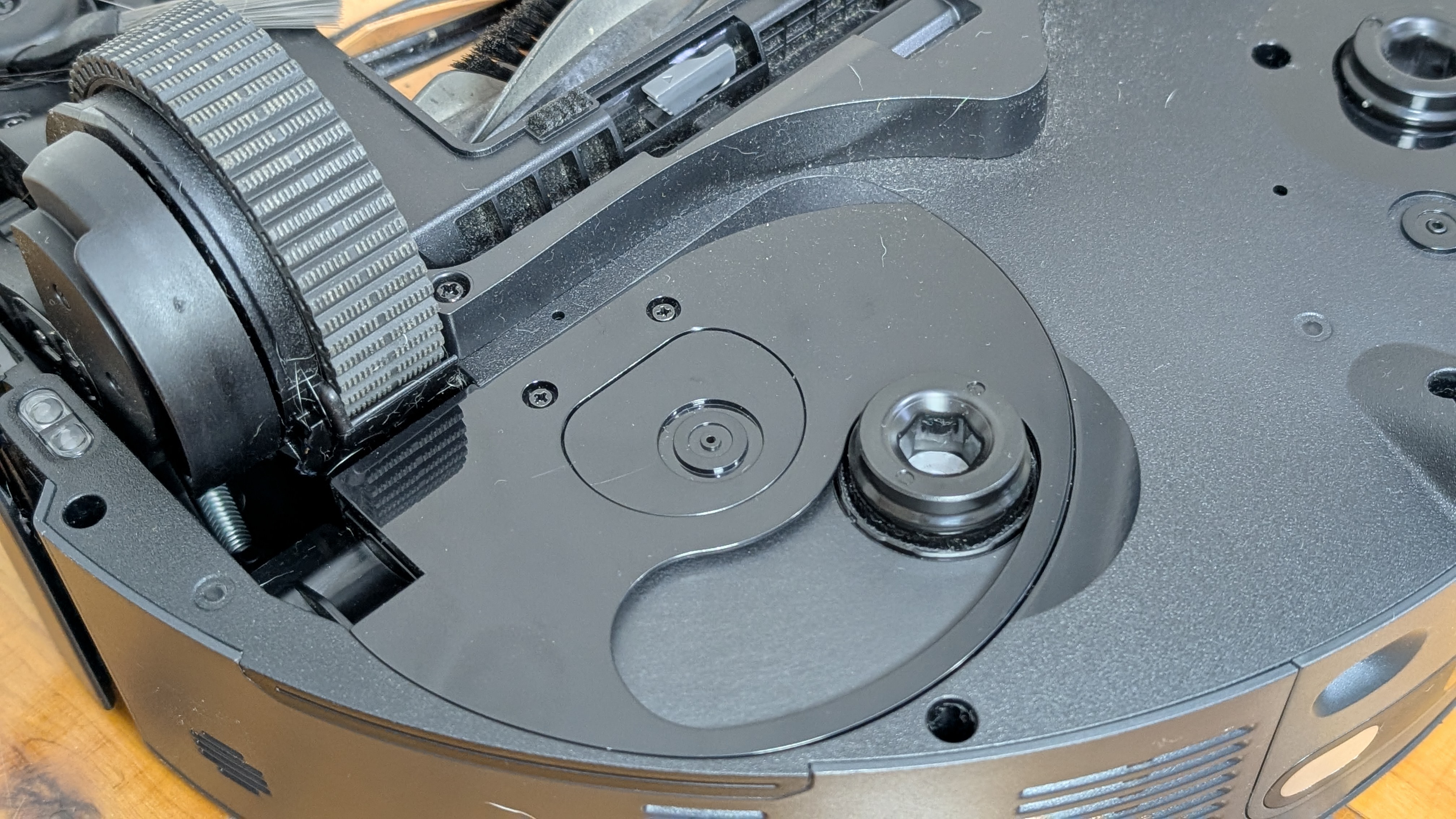
Another key feature is the ability to climb small steps, which is handy in many homes, and avoids the need for robovac ramps. Dreame calls this the ProLeap obstacle system and it lets the bot climb single steps and lips up to 42 mm and handle double layer thresholds up to 80 mm. It’s designed to easily clear things like door trims, raised transitions between hard floors and thick rugs, and avoid getting stuck.
The Matrix10 also uses a retractable lidar tower that, when lowered, reduces the height of the bot by 22mm. This helps it free itself if it does catch under low furniture, or it can proactively lower it to allow cleaning under otherwise inaccessible areas.
Dreame Matrix10 Ultra review: Performance
- Quieter than expected
- Excellent obstacle recognition
- Excellent debris pickup
Overall, I found the Matrix10 Ultra was very thorough with both vacuuming and mopping. Outside of grabbing the odd larger bit of debris by hand, and doing an occasional spot clean, I didn’t really need to do any extra work myself.
There’s also a CleanGenius mode that lets the robovac set the cleaning parameters for you. In my use though, it liked mopping far too often, so I ended up setting scheduled runs and using app shortcuts instead to customise a cleaning routine that suited my home and preferences.
The Matrix10 Ultra isn’t especially fast, and during my testing, it took between 2 and 2.5 minutes per square metre when vacuuming, and a little less than that to mop. You can reduce that slightly if you turn off the option for it to be very careful, and don’t mind the occasional boop into something if it gets too close. In my testing, the Matrix10 didn’t leave any marks on furniture or walls, even when occasionally nosing into them, so this is a good option to disable for normal use.
Of course, the bot can vacuum and mop at the same time if needed, which allows for a much faster cleaning run. I preferred to have it vac first then mop though, as the extra time taken has no impact for me, as it is done during the day when no one is home but a sleeping dog.
You can also change it to a quicker mode, which is about 30% faster to do the clean, but coverage drops by 15%. This is especially handy if you want it to do a quick cleanup while you are home.
The 6,400mAh battery is rated for up to 220 minutes of vacuuming and mopping in the low suction strength Quiet mode. For just vacuuming, Dreame quotes 205 m² (2207.85 ft²) of area, also using quiet mode. This is less than older models like the Dreame X40 Ultra, but without specific data on the power levels on different modes, a direct comparison is not really possible.
What I can compare is my own testing, and in general, the Matrix10 actually used less power than the X40 Ultra to cover the same area, while also being quieter and giving a slightly better clean.
In terms of my specific run times, the Matrix10 Ultra vacuumed my small 80m² two-bedroom home at Max suction, then completed a full mop, and it still had over 85% of the battery capacity left. Based on that result, I’d expect it to easily handle homes over 200m² per charge in typical use. Note as well that the charge rate is up by 30% compared to older models, so for larger homes, the Matrix10 will simply stop to charge, then continue on cleaning.
- Overall performance score: 4.5 / 5
Mapping and obstacle avoidance
After setup, the Matrix10 created a very accurate map of my home and I didn’t have to make any adjustments in the app – though I did give rooms my own specific names. I also added a few boundaries to keep it out of particular areas.
When vacuuming, the array of sensors and cameras does a great job of spotting obstacles on the floor, and it’s especially careful to stay clear of anything that might cause a tangle – like shoelaces or cords. You need to turn it on in the menu, but the bot records a picture (viewable in the app) of any obstacle it encounters, making it easy to move it before the next clean. After a few cleans, you quickly get a feel for the items it’s avoiding, and can tidy them up if needed.
For example, I noticed it gave the cable of my floor fan a wide berth, so I repositioned the cord so the robovac would vacuum in close around the base of the fan, as dog hair tended to collect there.
The Matrix10 Ultra has the smarts to recognise your pets (in my case, typically just the paws of my Great Dane galloping past) and will keep clear if it spots them snoozing. It records a few pictures of any interactions – viewable in the cleaning log via the app – so you can see how your pet reacts to the vacuum.
You can also designate specific zones for the robovac to stay out of, like around a pet’s bed or feeding area. Even more importantly, the robovac can recognise any pet droppings and will steer well clear when cleaning. Thankfully, my dog hasn’t made any of that type of mess inside, so I faked a test using food, and the Matrix10 Ultra had no trouble identifying the fake droppings and kept well clear.
Like many Great Danes, mine does sometimes create a lot of slobber – especially after drinking on a hot day. One time he left a line of slobber through the kitchen (a common occurrence!) so I ran a test vacuum. The Matrix10 had no problems spotting the slobber trail and carefully vacuumed around it. I then of course sent it back in to mop that up, and contemplated if I needed to reserve one set of mop pads just for dog slobber.
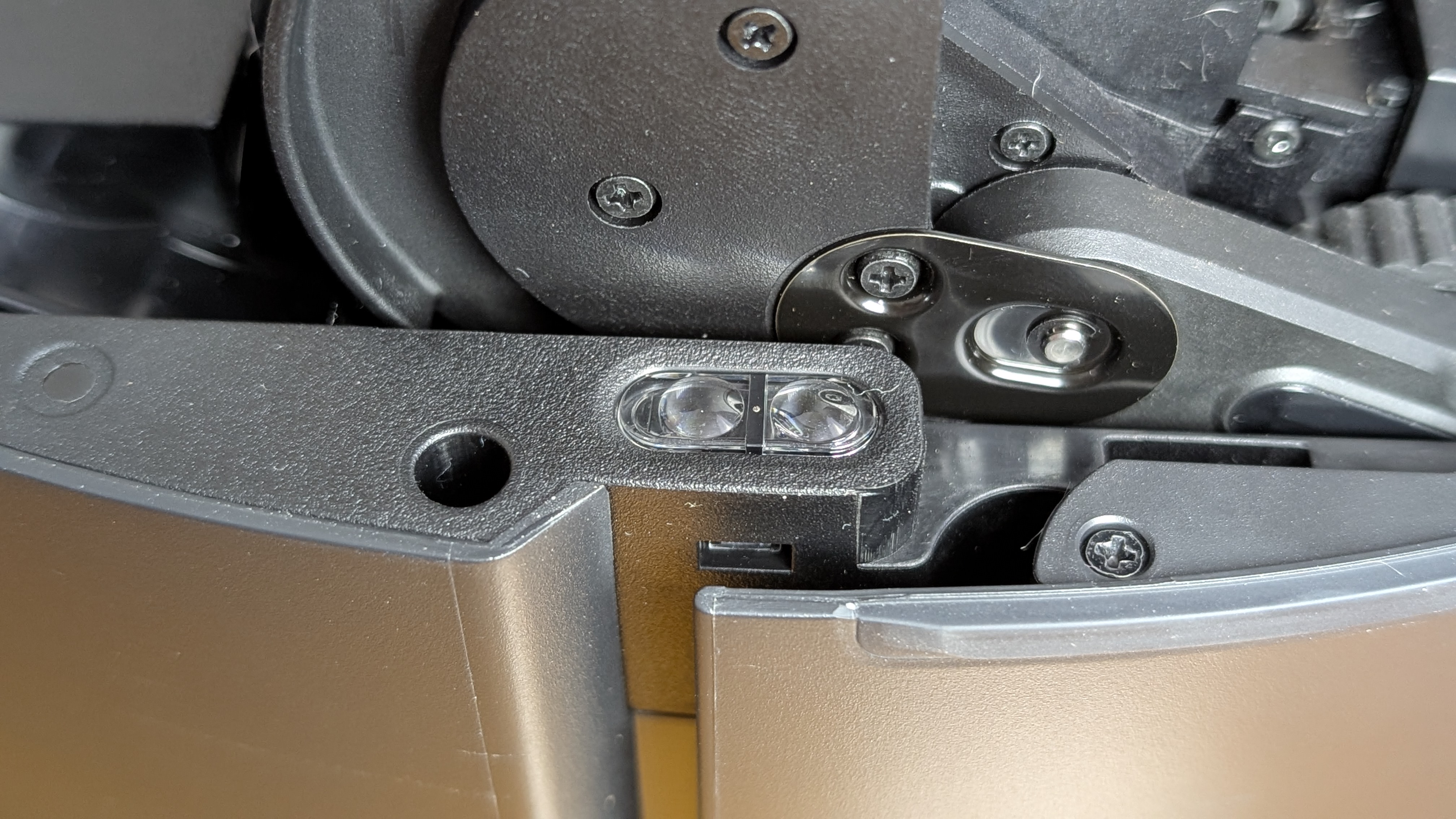
Using the app, you can also stream live video from the robovac’s main camera while it’s working, or take over and remotely steer it – though this can be a bit laggy. You can also command the bot to navigate to a specific spot in your home, use it to have a two-way conversation, or even have it automatically search for your pets and snap a picture.
Impressively, the robovac never got stuck in my four weeks of testing. I will report back after longer term use, as it will likely get stuck at some point due to a mistake on my behalf. But so far, it’s very impressive, and lesser bots I have tested get stuck once a week or so.
As a comparison, the Dreame X40 Ultra I tested only got stuck twice in three months of testing – and both times were my fault. The first time was because it half-ingested a USB-C cable I had knocked down next to the base station, and the second was from vacuuming up a loose tile in my (very old) bathroom. In both cases, no damage was caused, as the bot knew it was stuck and waited patiently until freed.
Overall, the Matrix10 Ultra did an amazing job of navigating my home and had no problem cleaning around always-changing obstacles – big and small – left in its way. It’s a great choice for anyone with a busy, complex home, or if you don’t want to have to worry about picking every last thing up from the floor before cleaning.
It’s hard to overstate how much of a strength obstacle recognition is for Dreame. The X40 Ultra I reviewed earlier in the year is currently getting an extended battle test in a family member’s delightfully chaotic home with multiple dogs and energetic young children. Other robovacs they have tried easily became stuck or clogged on a near daily basis, but the X40’s ability to recognise and dodge objects on the floor means it rarely has an issue.
- Mapping and obstacle avoidance score: 4.5 / 5
Vacuuming
I tested the Matrix10 on polished wooden floors, as well as tiles and rugs. Aside from vacuuming every day (and sometimes more) over four weeks, I also performed a number of specific tests to gauge how effective the robovac is at cleaning up a variety of spills and debris types. I used flour, sand, rice, oats, dry dog food, and some dry leaves – scattered in a corner on hard floors and then on a short-pile rug.
On both carpet and hard floors, the Matrix10 picked up 95% or more of the flour, rice, oats and leaves in a single pass and the debris was almost always completely gone after a second go. Dry dog food was pulled up in one pass, while sand needed three passes before it was fully collected.
The Matrix10 Ultra’s side brush also spins relatively slowly, which meant in my tests it rarely flicked debris away from the main brush underneath. I also found it generally detected and avoided items larger than roughly 10mm x 10mm, since those can wedge behind the brush and cause a clog to build up.
Generally speaking, I found that the standard vacuum level works just fine for picking up pet fur, dust, and light debris on hard floors – but it’s best cranked up to Turbo or Max for carpets (and Max+ if you have a really tough area). The higher suction modes also do best if cleaning up sand, heavier dirt, or chunkier debris, but even the normal level does a great job of reducing grit to the point you don’t notice it with bare feet on polished wood floors.
So in my use case, a daily vacuum in the standard mode with a single pass captured almost all the lighter debris (like dog fur, bits of leaf matter, fluff etc.), but may leave a small amount of heavier debris like sand behind. This isn’t much of a problem, as you can customise scheduled cleans on a room-by-room basis to accommodate different needs. For example, after a trip to the dog beach, an extra pass at Max by the front door helped ensure any lingering sand was captured.
Image 1 of 5
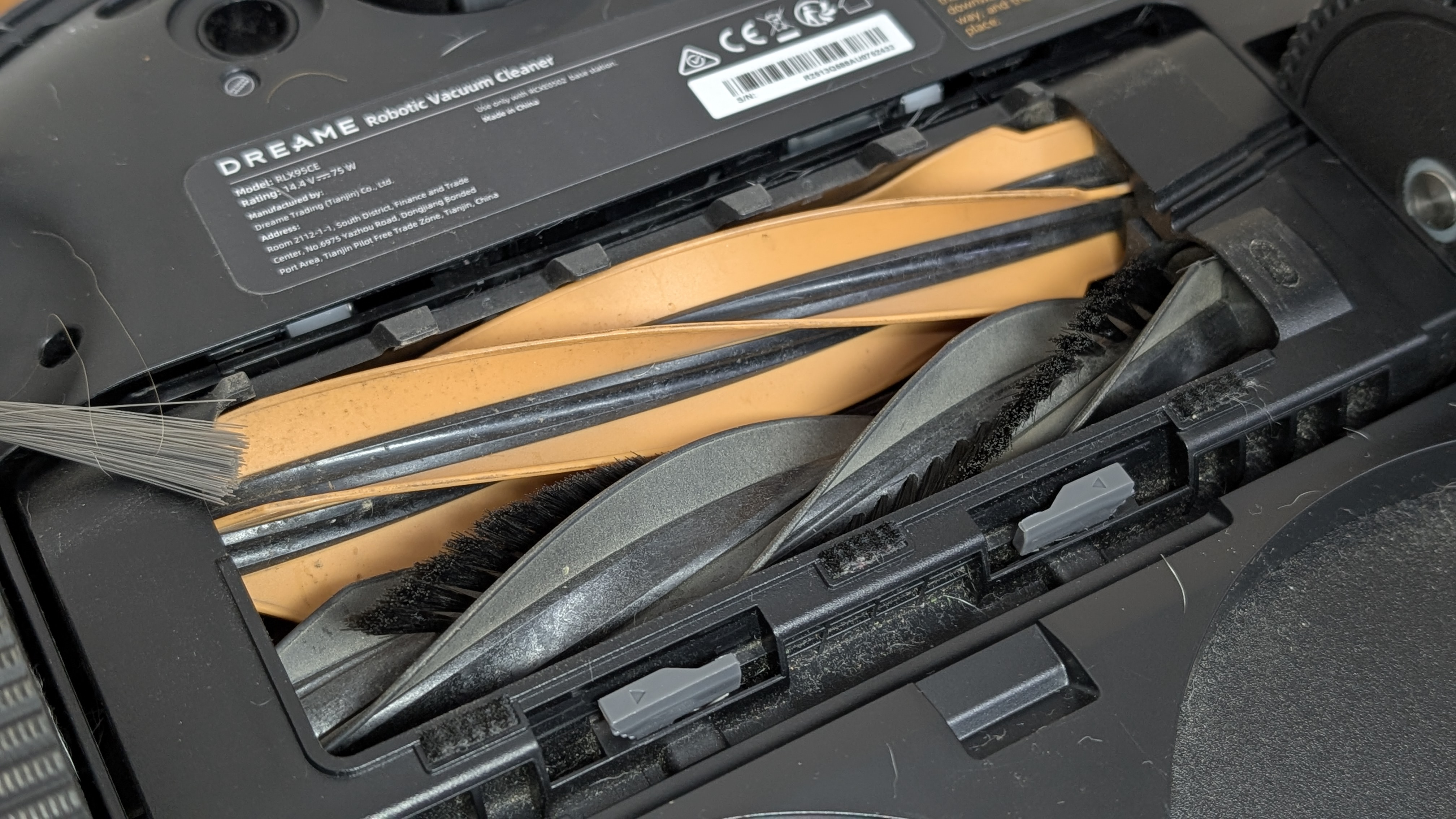
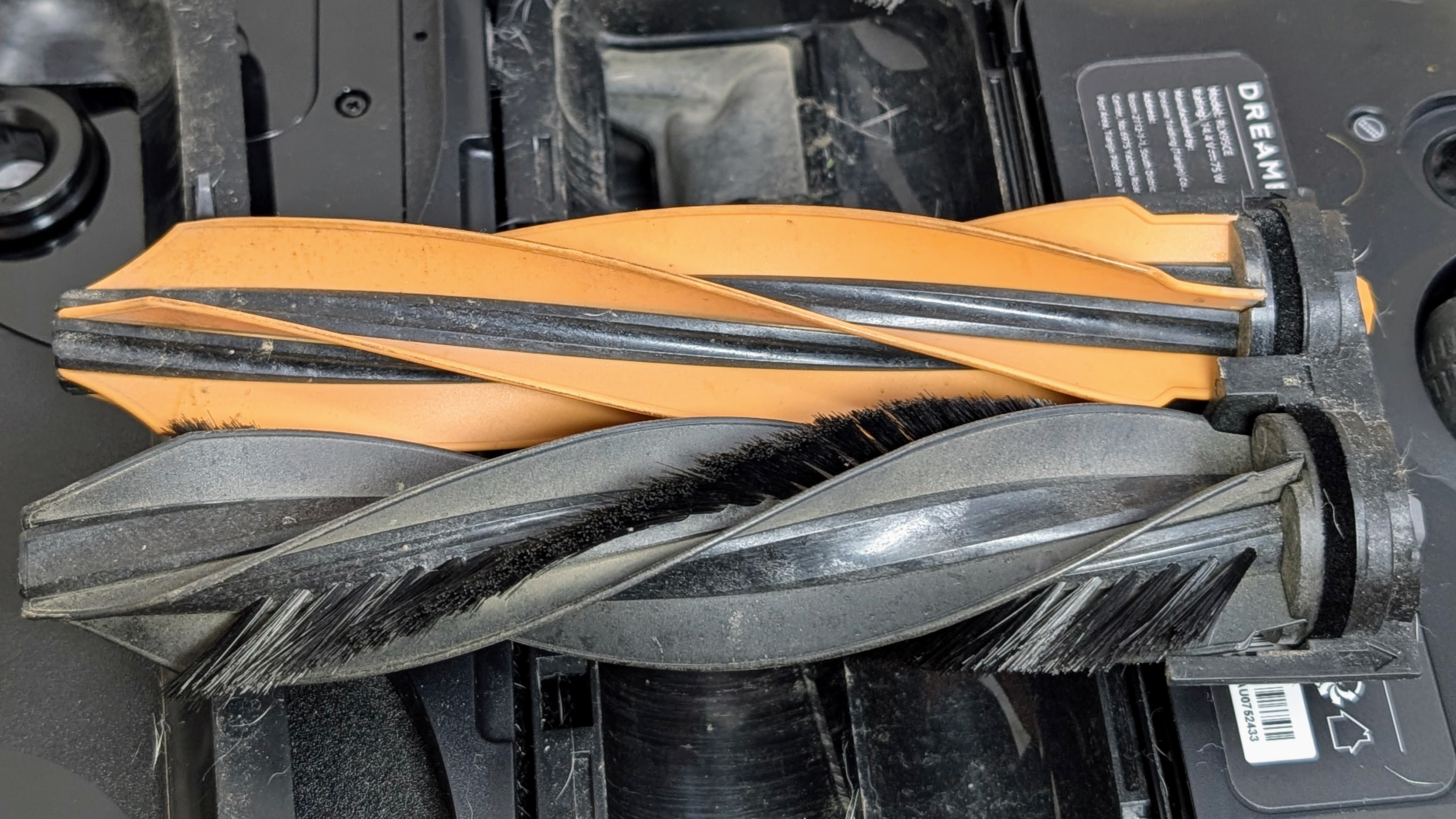
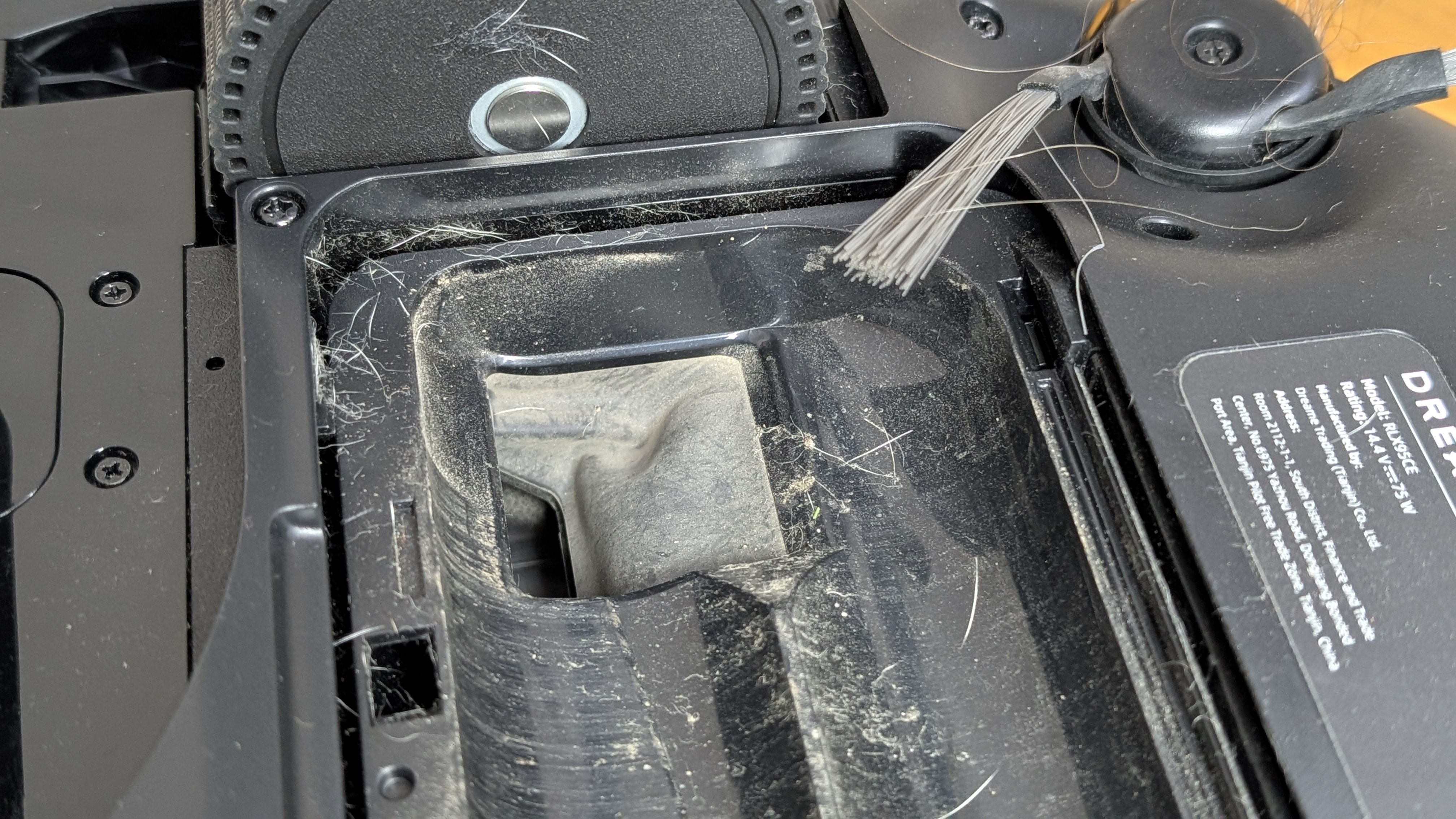
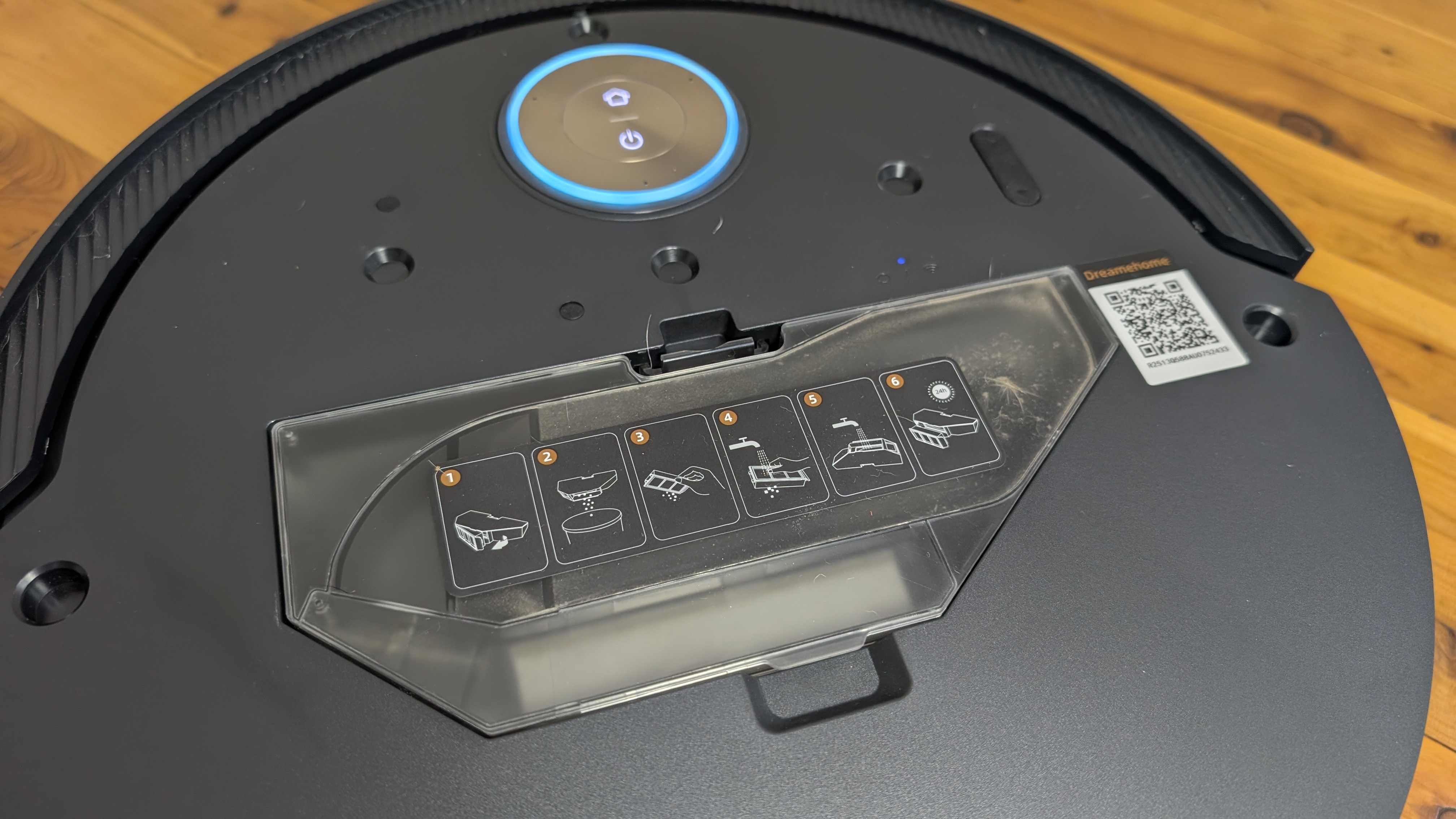
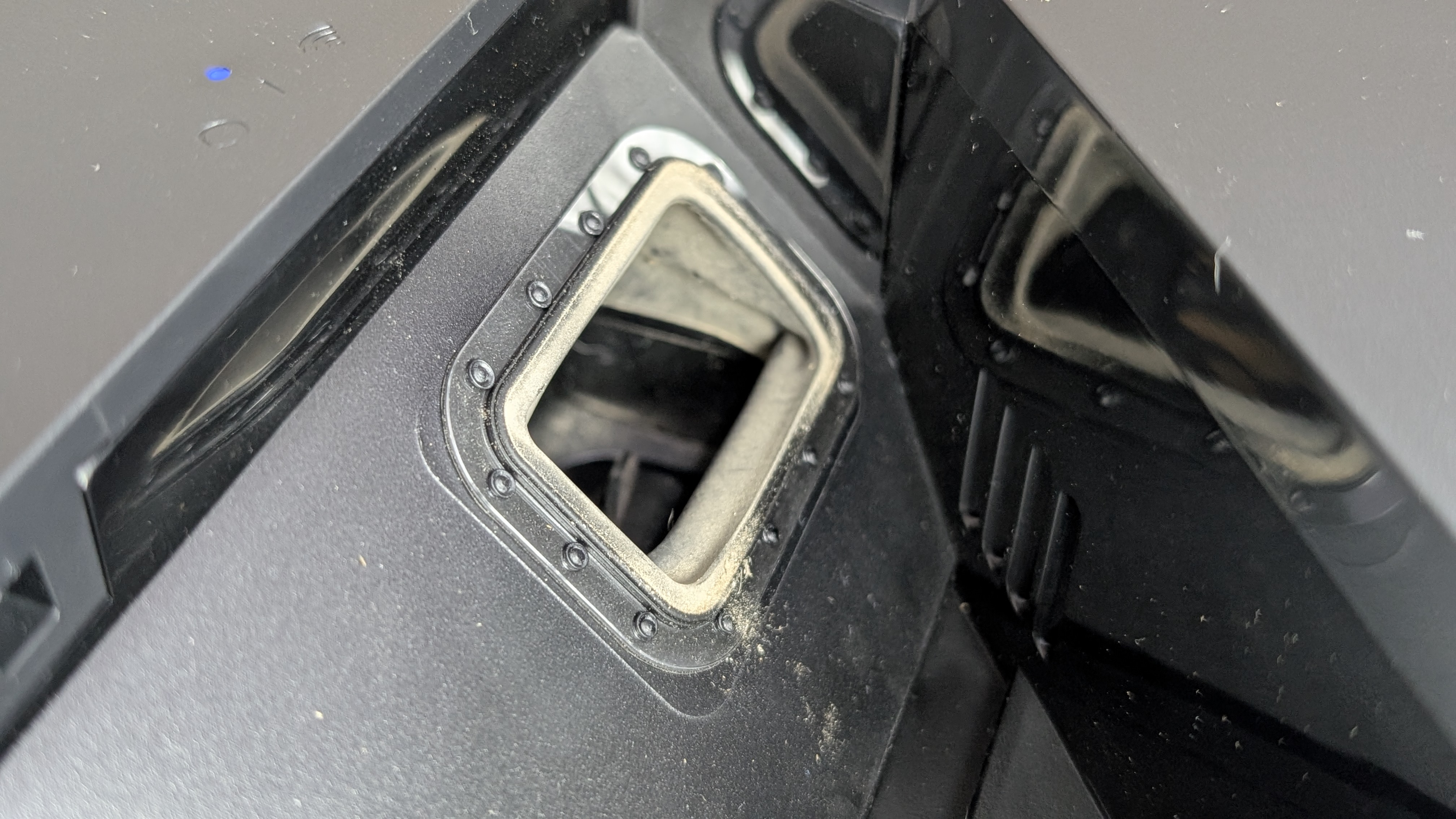
The Matrix10 is remarkably quiet – much more so than any other robovac I have tested or seen. It’s a huge improvement over the X40 Ultra, which itself was quieter than most. I have included a full comparison table below, but it’s gone from noticeable and mildly intrusive if you are watching TV, to being easy to ignore completely.
I’m a light sleeper, so as a test, I scheduled a few days of vacuum runs just before my morning alarm was set to go off. On the normal standard or quiet vacuum setting, the Matrix10 could vacuum on the other side of a door without waking me, which was impressive. On the X40, much of the noise came from the motors and gearboxes when the bot was driving (a very noticeable whirr), but on the Matrix10, this is much reduced, helping make it much quieter when moving around.
For the base station, the sound levels are also much lower. It’s still not completely quiet, so having it empty or wash mop pads in the same room as you are trying to relax is best avoided. But it’s not loud enough to impact most TV watching, for example – another noticeable improvement on the X40 Ultra.
To make the comparison simpler, I have included the Matrix10 vs the X40 Ultra results below in table form.
|
Scenario / mode |
Matrix10 Ultra |
X40 Ultra |
| Row 1 – Cell 0 | Row 1 – Cell 1 | Row 1 – Cell 2 |
|
Quiet suction |
41 dB |
43 dB |
|
Standard suction |
42 dB |
46 dB |
|
Turbo suction |
46 dB |
51 dB |
|
Max suction |
51 dB |
55 dB |
|
Max+ suction |
55 dB |
60 dB |
|
Driving only (no vacuuming) |
35 dB |
41 dB |
|
Mopping (normal) |
32 dB |
35 dB |
|
Mopping (peak) |
38 dB |
45 dB |
|
Base station emptying dustbin |
51 dB |
57 dB  |
|
Mop washing (normal) |
32 dB |
33 dB |
|
Mop washing (peak) |
49 dB |
50 dB |
| Row 13 – Cell 0 | Row 13 – Cell 1 | Row 13 – Cell 2 |
| Row 14 – Cell 0 |
*Noise level is decibels measured at 1 metre |
Row 14 – Cell 2 |
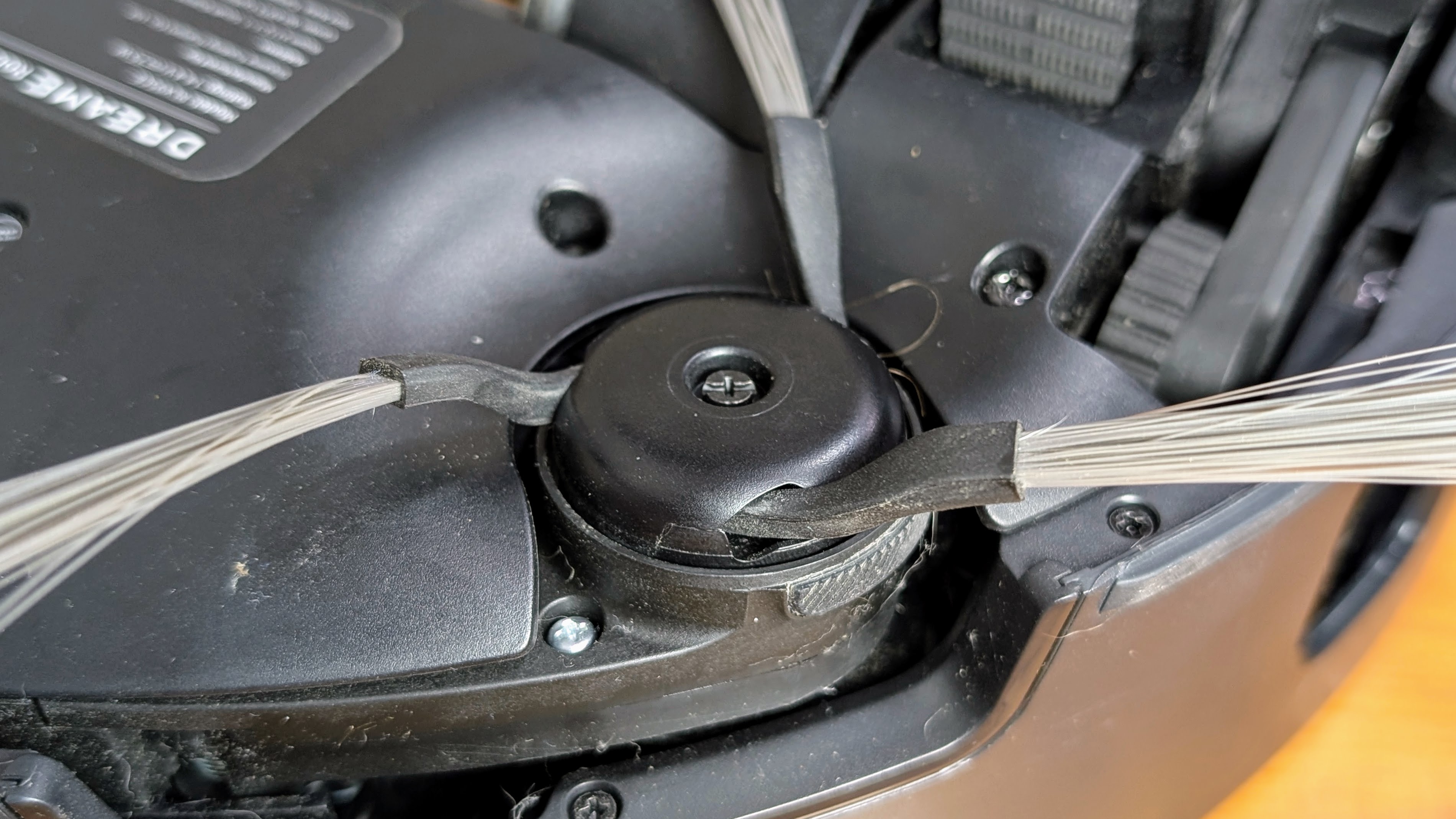
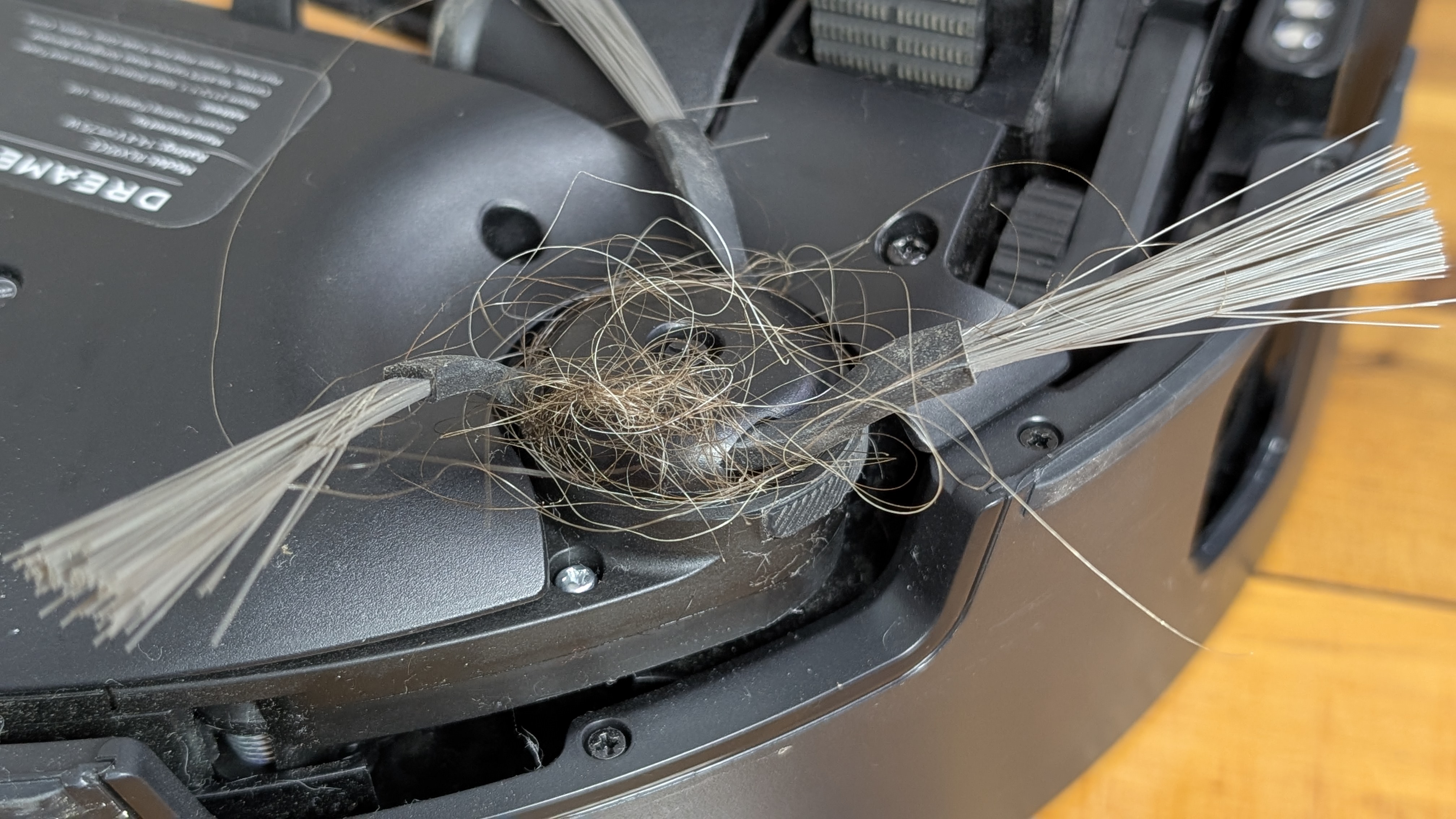
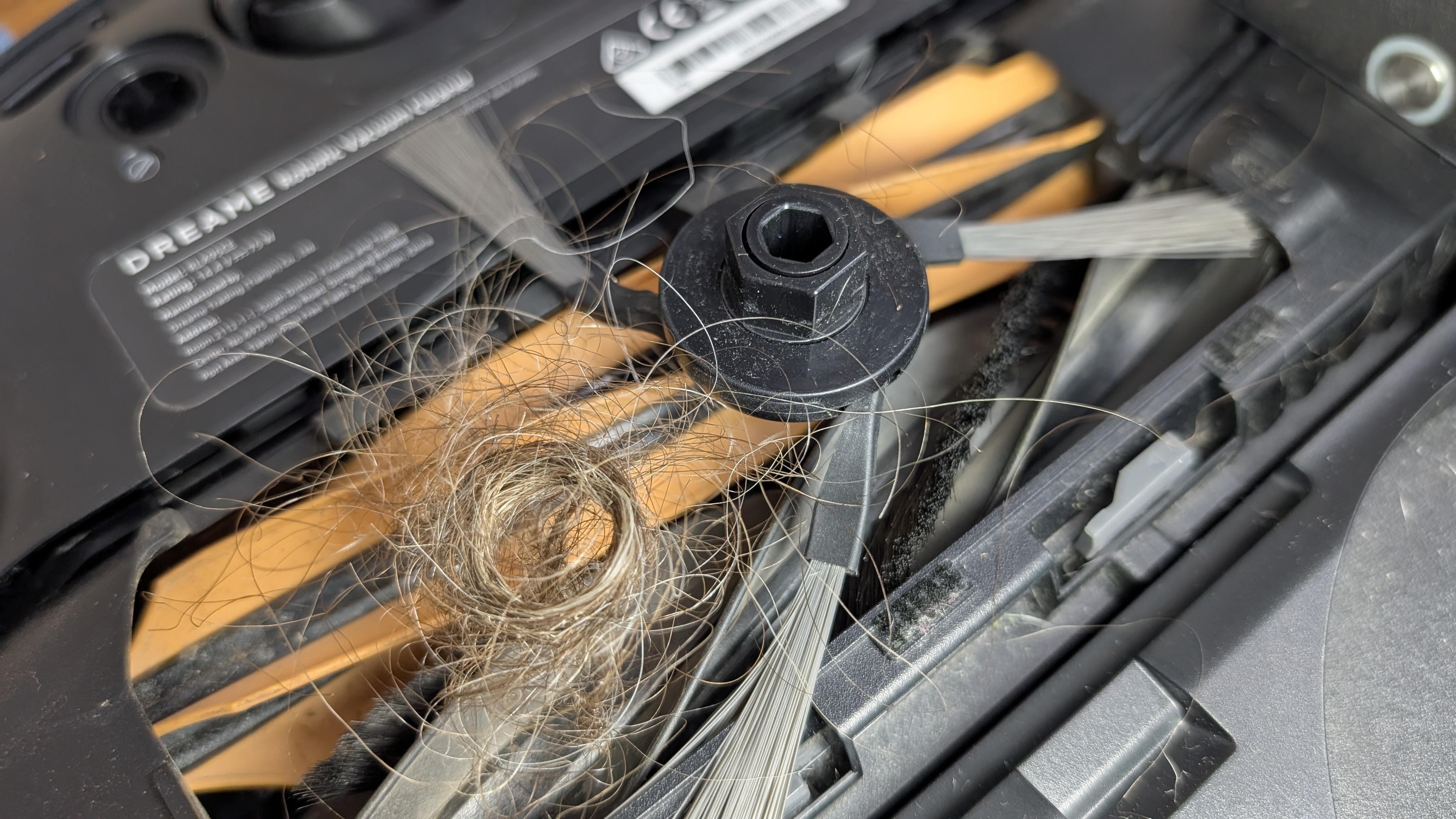
My home has two people who shed a lot of long hair, so the bot’s ability to handle this is important. The Matrix10 is rated for hair up to 50cm (and mine is longer than that) but overall it did a great job – not perfect, but good enough that hair removal maintenance is very minor. The main double brush stayed completely hair free, and the overall design avoided hair getting sucked into and trapped deeper in the rotating mechanisms.
The front wheel and side drive wheels (including the step climbing legs) didn’t pick up any hair at all. Compared to the X40 Ultra, which didn’t pick up much hair, the Matrix10 is almost perfect. Interestingly, despite a seemingly very similar design, the one exception is the side brush – it actually collected slightly more hair than the X40 Ultra. Not enough to negatively impact maintenance (and removing it takes less than 30 seconds), but noticeably more.
This may be from changes in the vacuuming environment, or from slight changes in the design, and I will be tracking this during my longer term testing to see if the differences can be narrowed down.
Mopping
I’m not someone who mops too often if doing it manually (my wood floors are already brown!), and once a week suffices for robovac assists. I also find it useful to turn on an extra mopping schedule during wet weather so the areas near the front and back doors get a bit of extra attention to avoid build-up from muddy shoes and paws.
Image 1 of 6
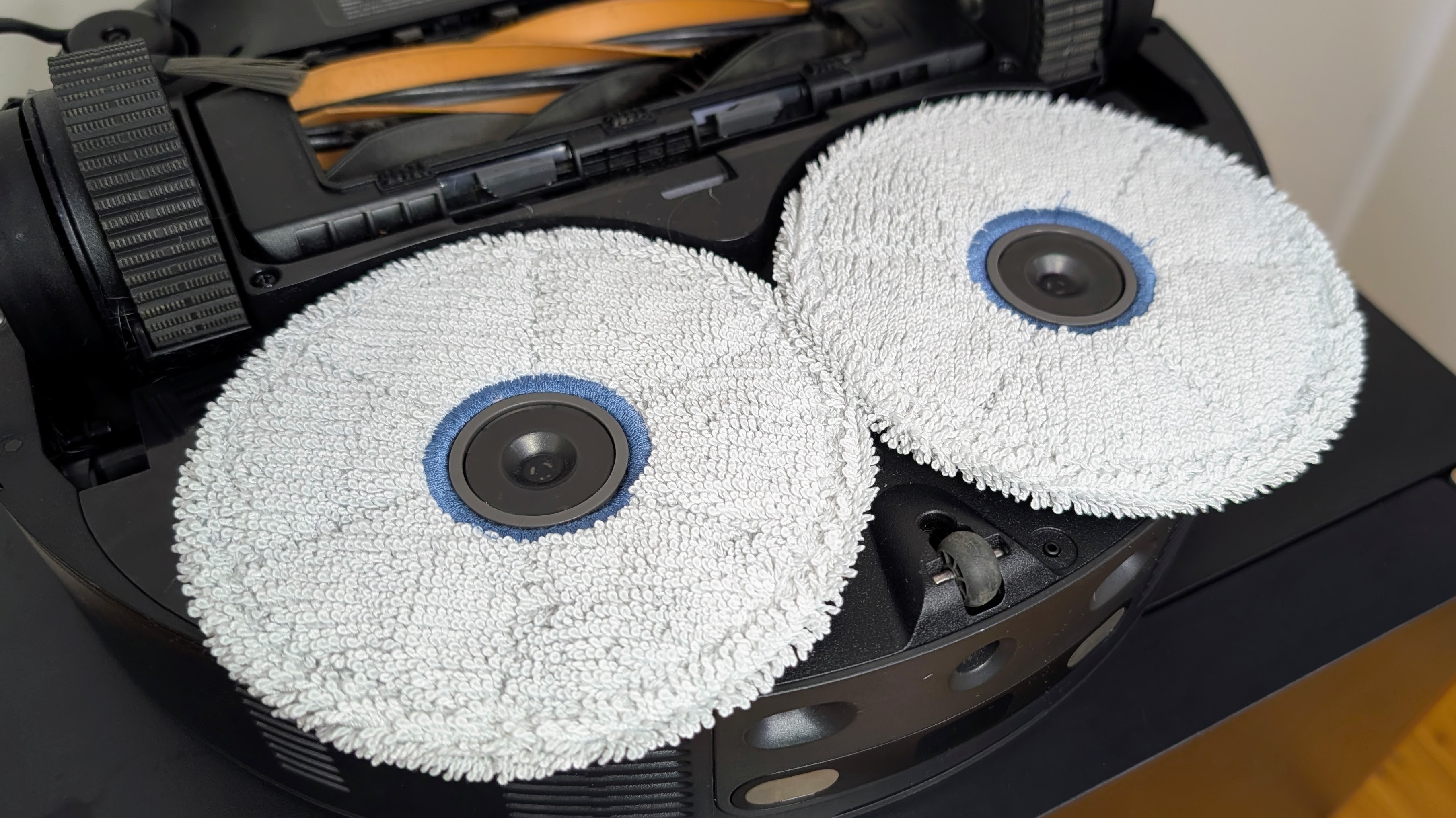
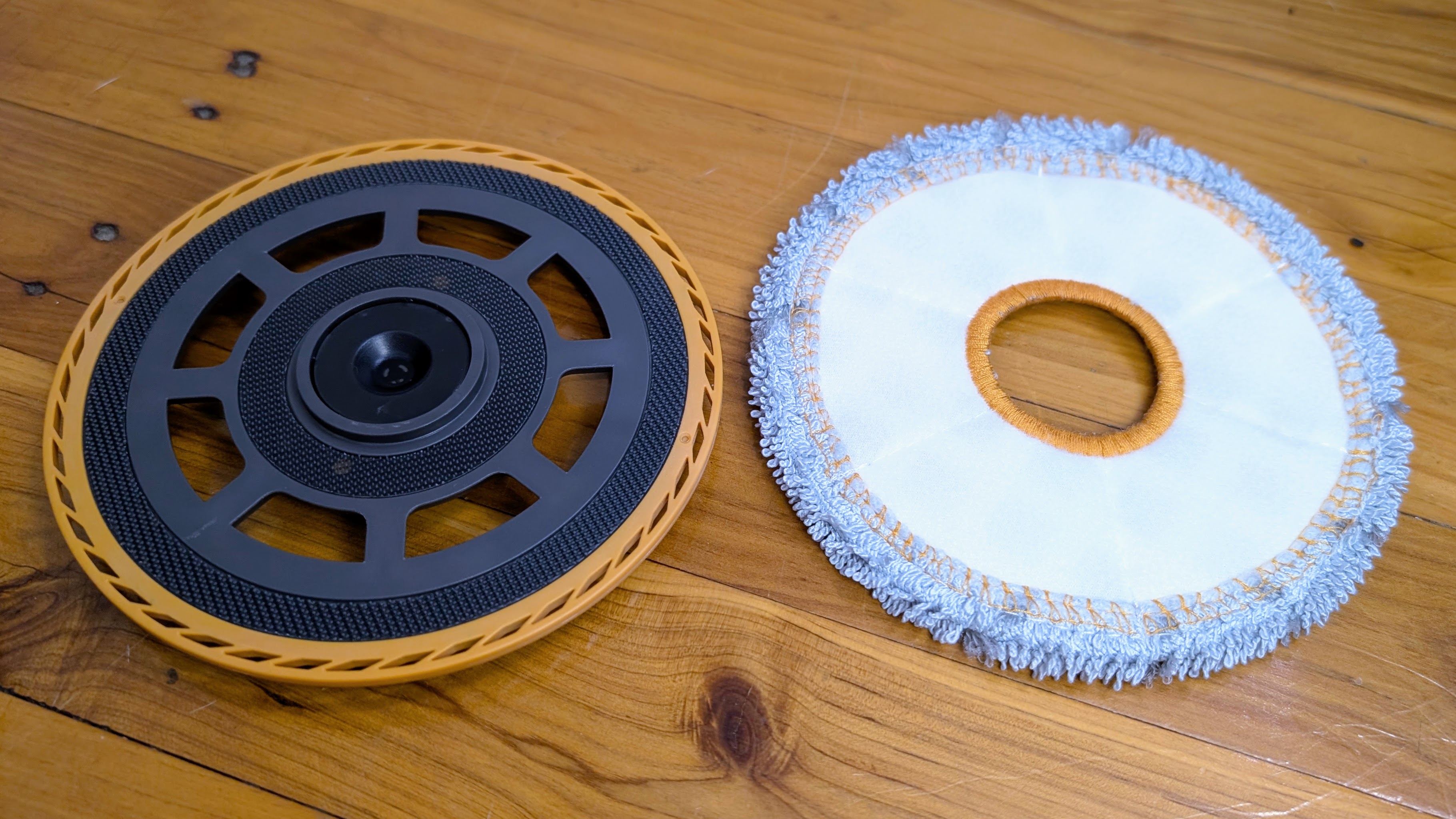
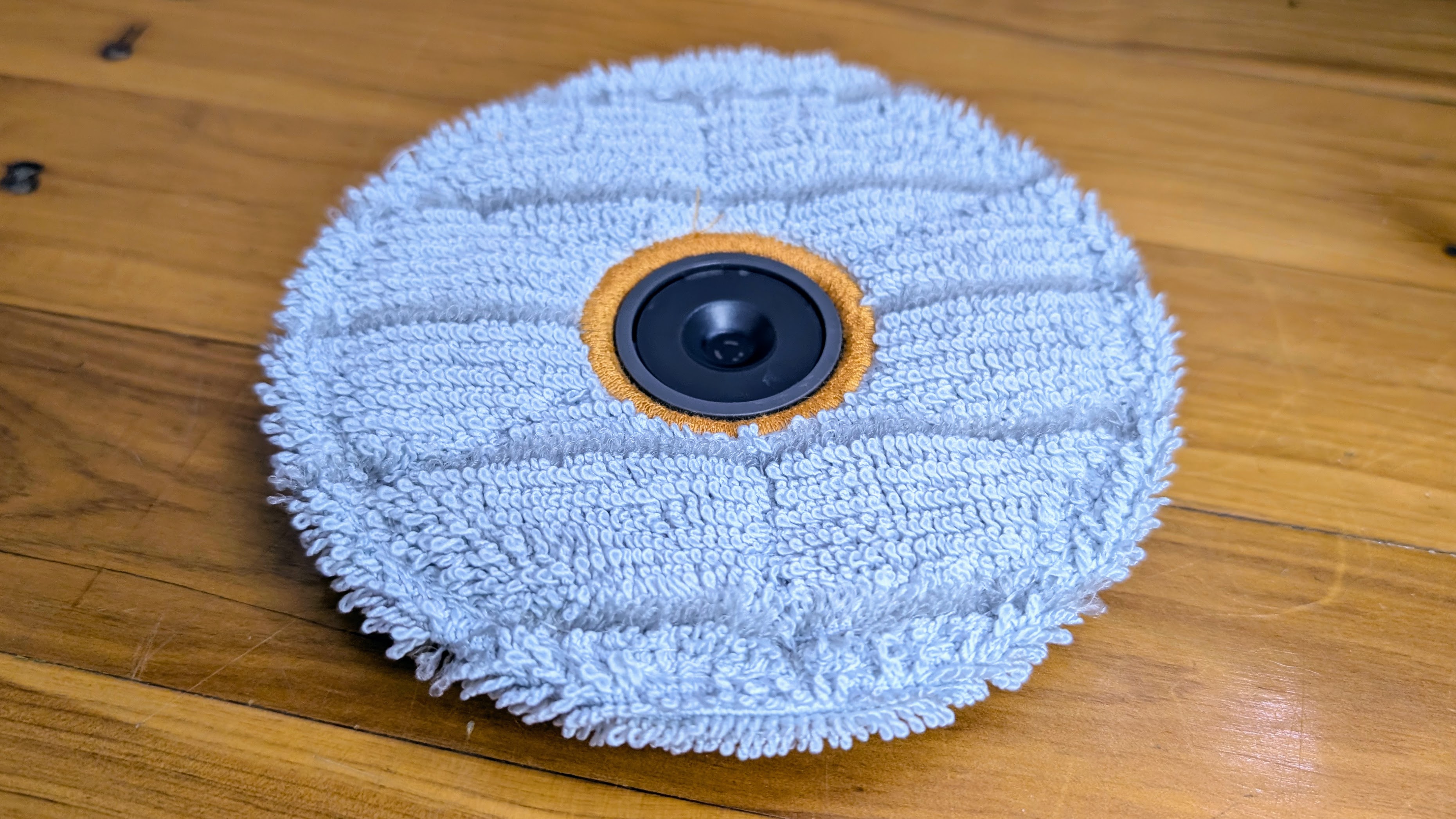
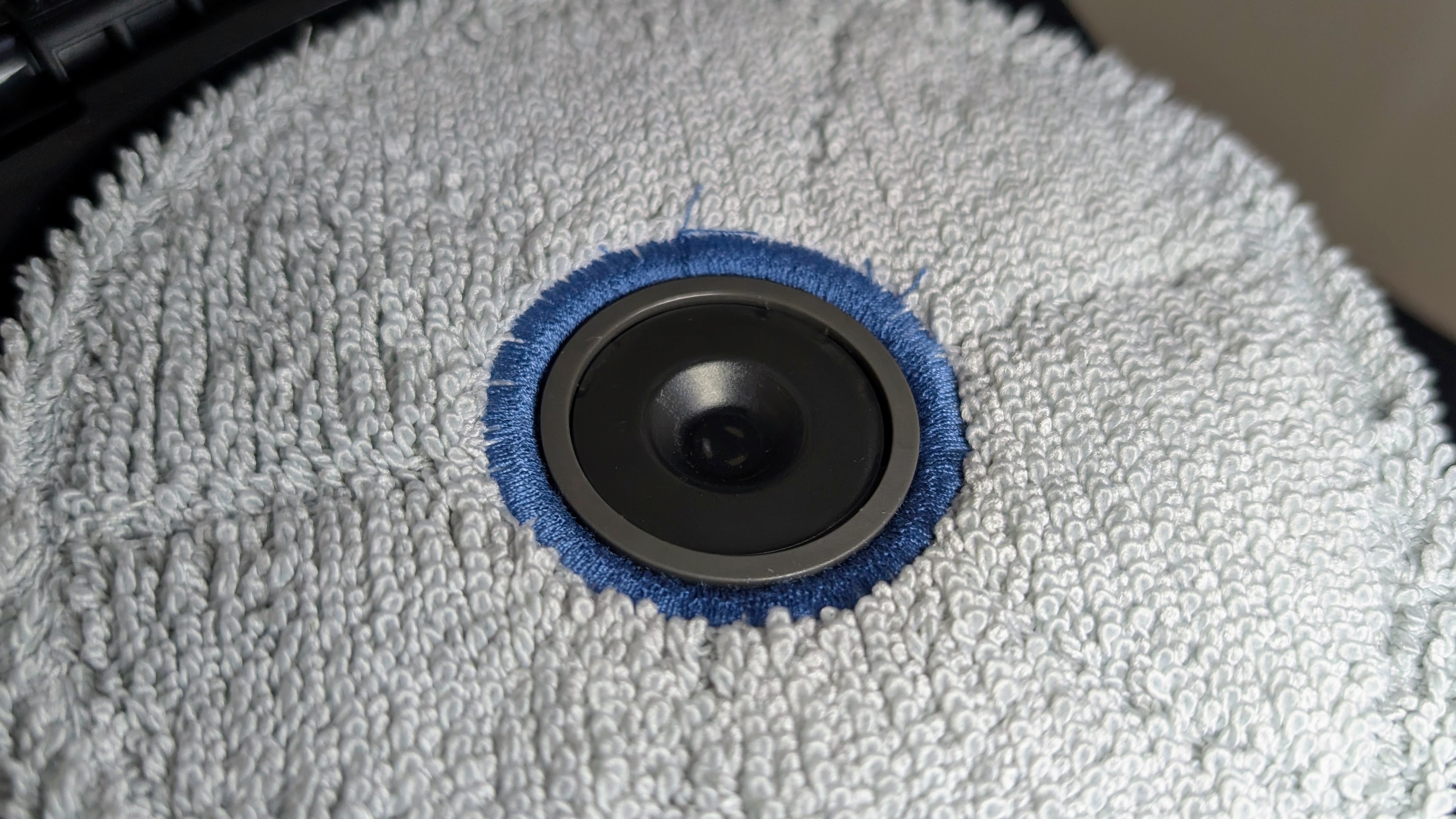
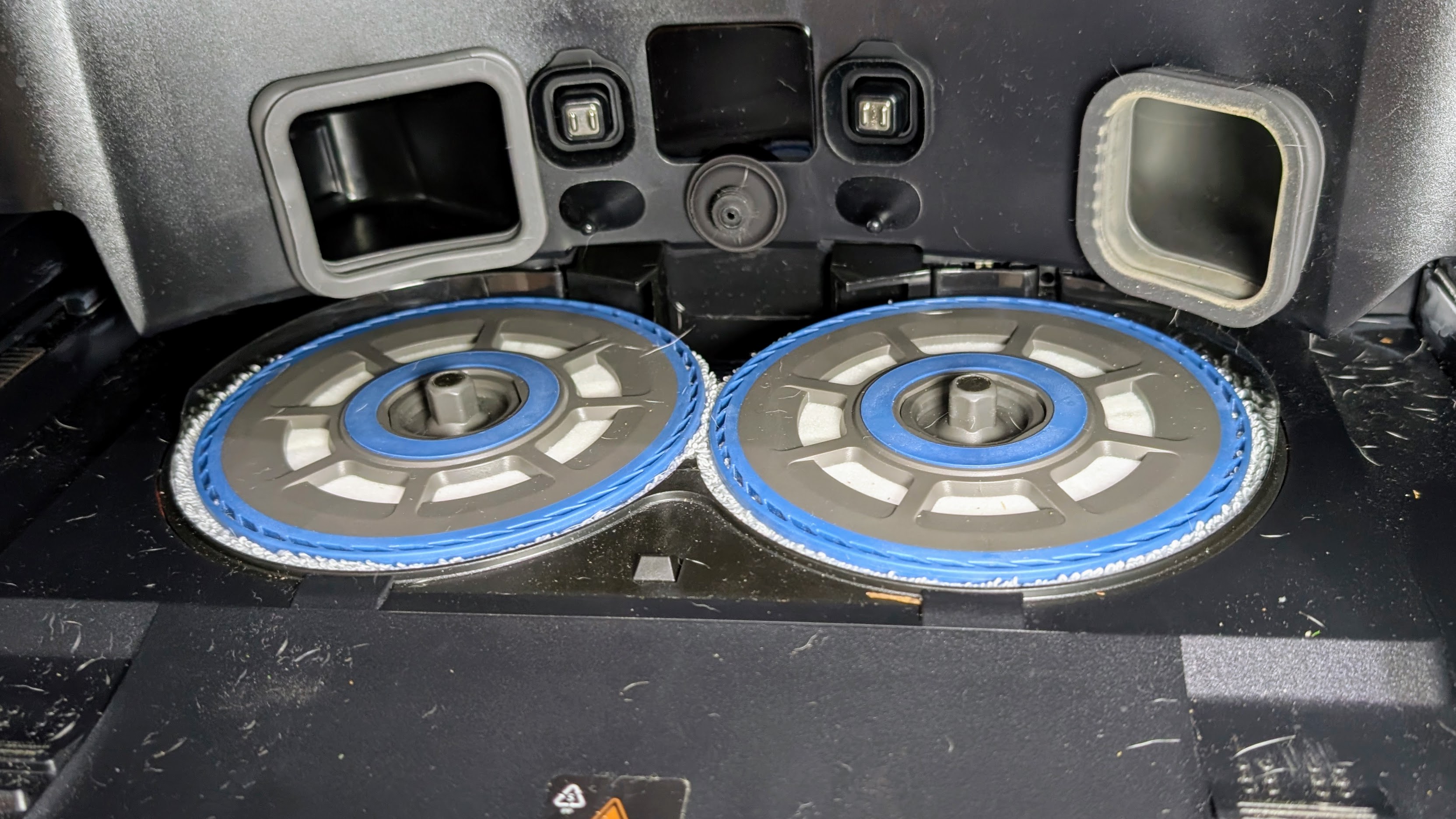
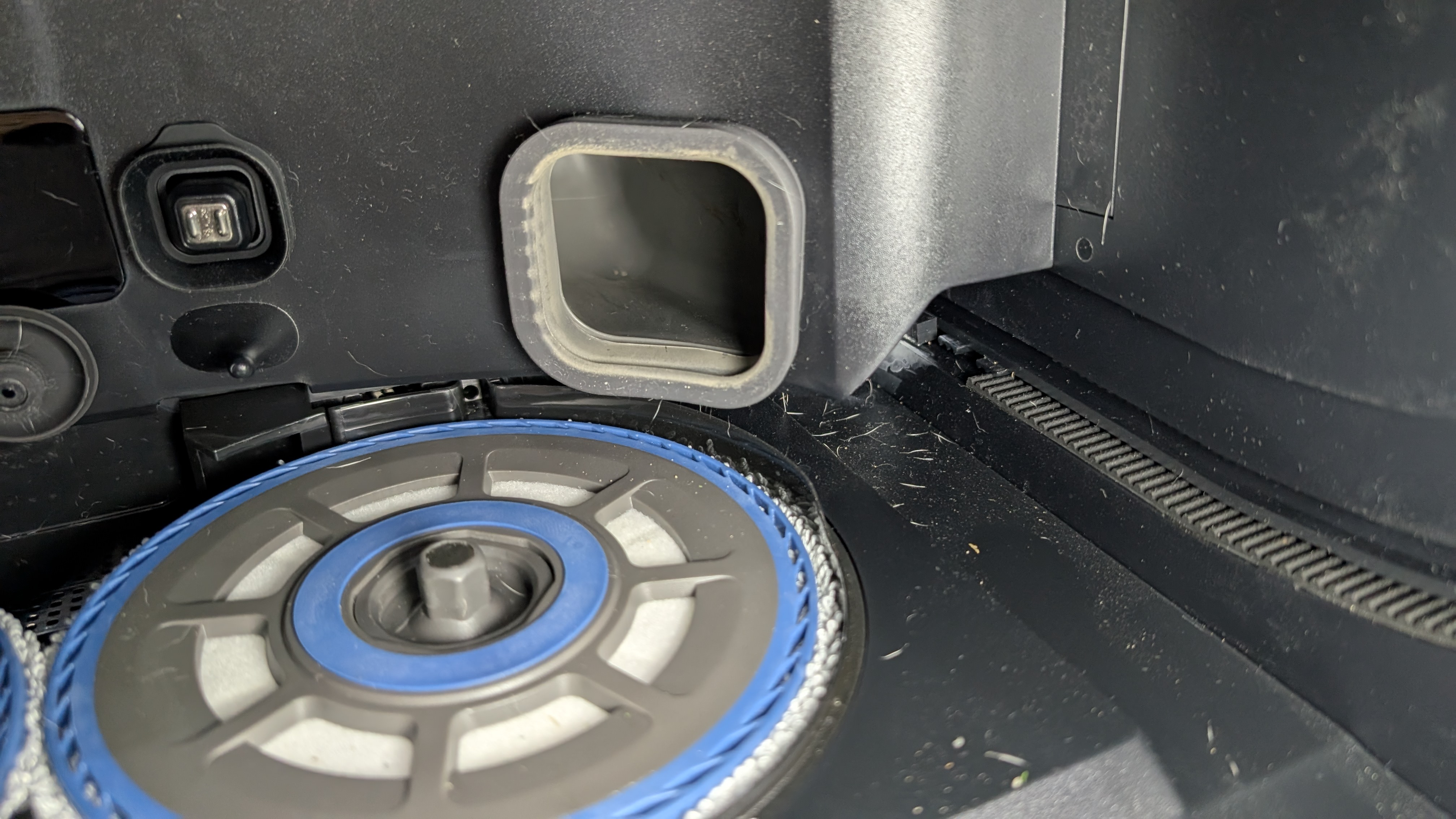
The Matrix10 Ultra can extend its right mop pad, which I found made a noticeable difference along skirting boards and around tight edges (where a handheld mop often misses or can’t easily reach) compared to a bot with fixed mop pads. It also doses cleaning solution automatically, and I tested a plain water mop vs one with cleaning solution, and no surprise, the latter gets rid of a lot more grime.
For a more direct stress test, I poured two soy sauce spills on a mix of tile and timber flooring, leaving one to dry, then spread wasabi paste and sticky honey over the same area. The fresh soy came off in one pass. The dried soy was very nearly gone after one pass, but ultimately needed two passes to get the last little bit and feel properly squeaky clean. The wasabi paste and honey were both gone after the first mopping pass, but a second got rid of a slight lingering sticky feel. This is a bit better than the X40 Ultra on the same tests, showing the Dreame team is steadily improving their robovacs over time.
The Matrix10 washed the mop pads between each targeted clean, or used different pads depending on your setup, so there was no cross contamination. The pads are built for scrubbing rather than sponging up spills, so the bot isn’t designed to clean up a huge spill and it is best at ongoing cleanup of smaller messes, like if food accidentally drips some sauce.
I liked the three mop pad set auto changer, as it feels a bit more hygienic to keep one set of pads for scrubbing the bathroom and another for the living room or bedroom. That said, it may be overkill for many people – especially considering how well the base station washes and dries the mop pads.
One minor issue I noticed on the X40 Ultra that I have not seen on the Matrix10 is a small amount of iron rich magnetic dirt getting stuck to the mop pad magnets. It may be that this issue will show up in longer term testing, but slight design tweaks do appear to have reduced the magnets’ ability to collected iron rich dirt.
Base station performance
Dreame says the base station’s 3.2L dust bag can last up to 100 days between changes, although real-world that will vary a lot depending on pets, carpets and how much dust your home tends to build up. The robot itself has a 310mL dust box and will head back to the base station to auto-empty when the bin is full, plus you can change the auto-empty frequency in the app if you want it emptying more often during a clean.
In my X40 Ultra review, one of my main complaints was the suction of the base station that often left the robovac partially emptied. It also didn’t suck debris to the back of the base station dust bag, making it fill up to the point it clogged at the mouth of the bag. This wasn’t helped by my dog’s short but stiff hair, but overall the problem contributed a lot to the total maintenance needed.
Thankfully, the Dreame boffins have completely solved this in the Matrix10’s base station. Not only is the suction much more powerful, it’s also quieter. It also has improvements such as ramping the auto-empty vacuum suction up and down more than once – a trick other robovac companies like Ecovacs use to help make sure any potential clogs don’t jam in place.
Image 1 of 3
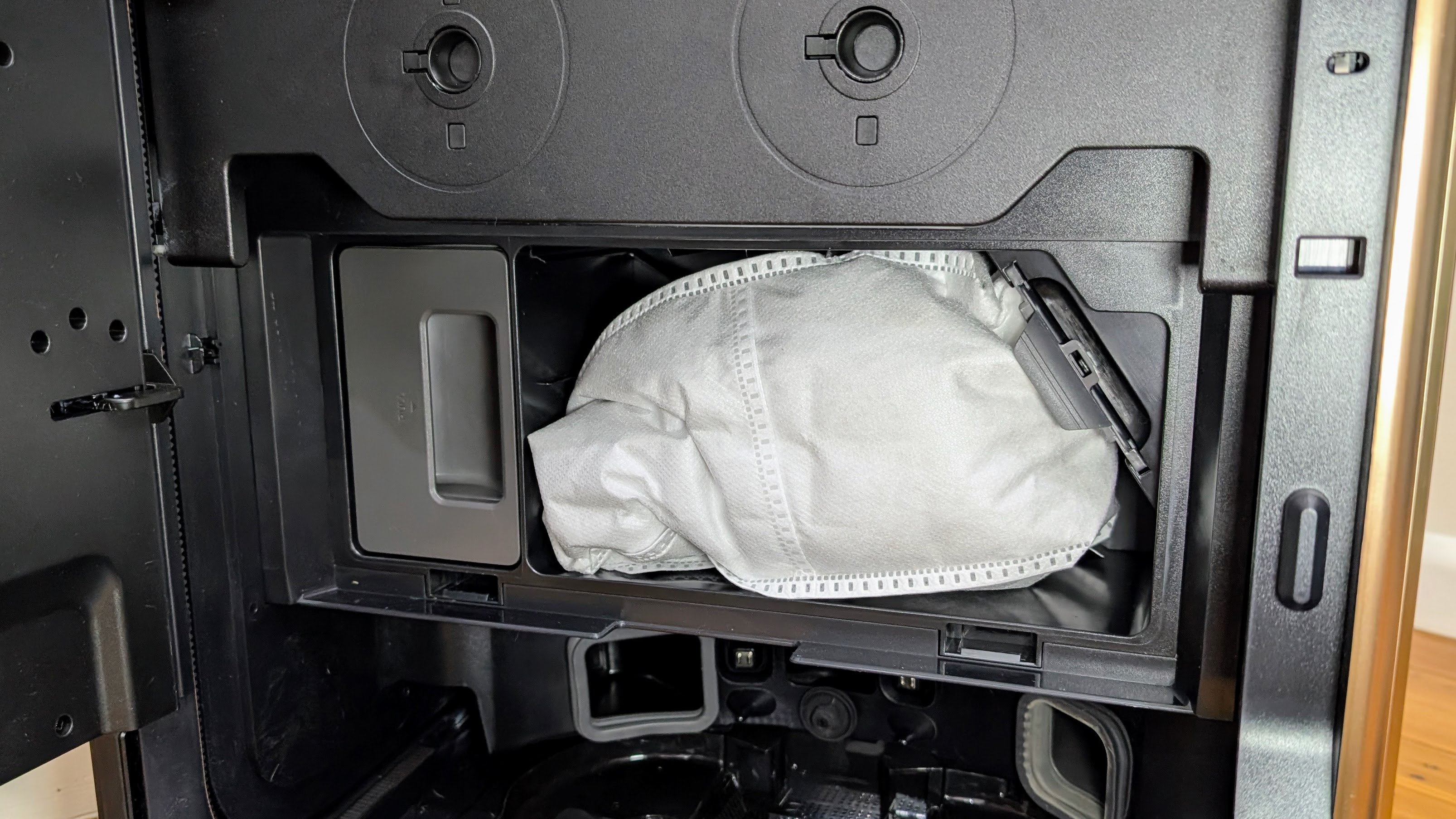
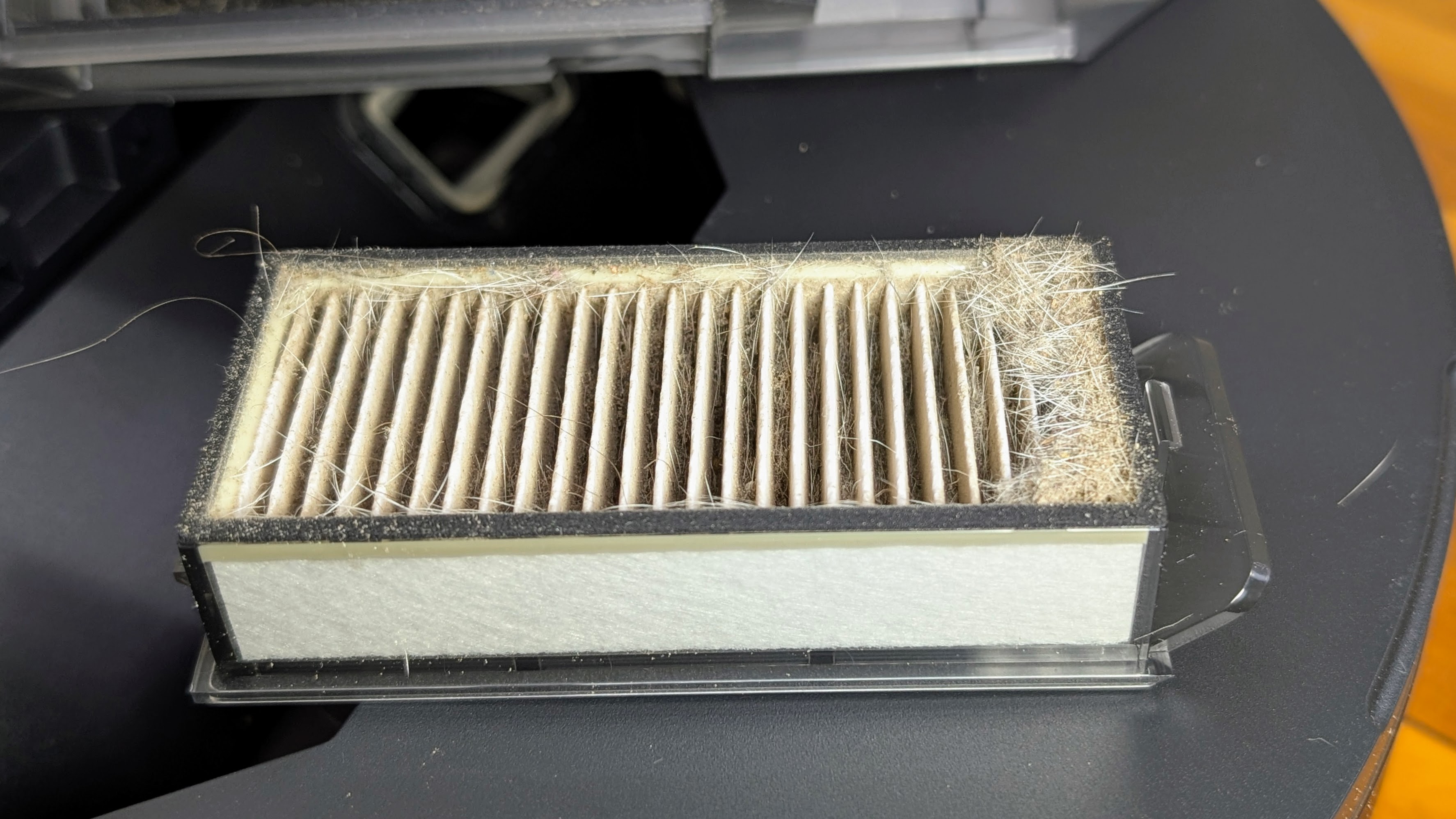
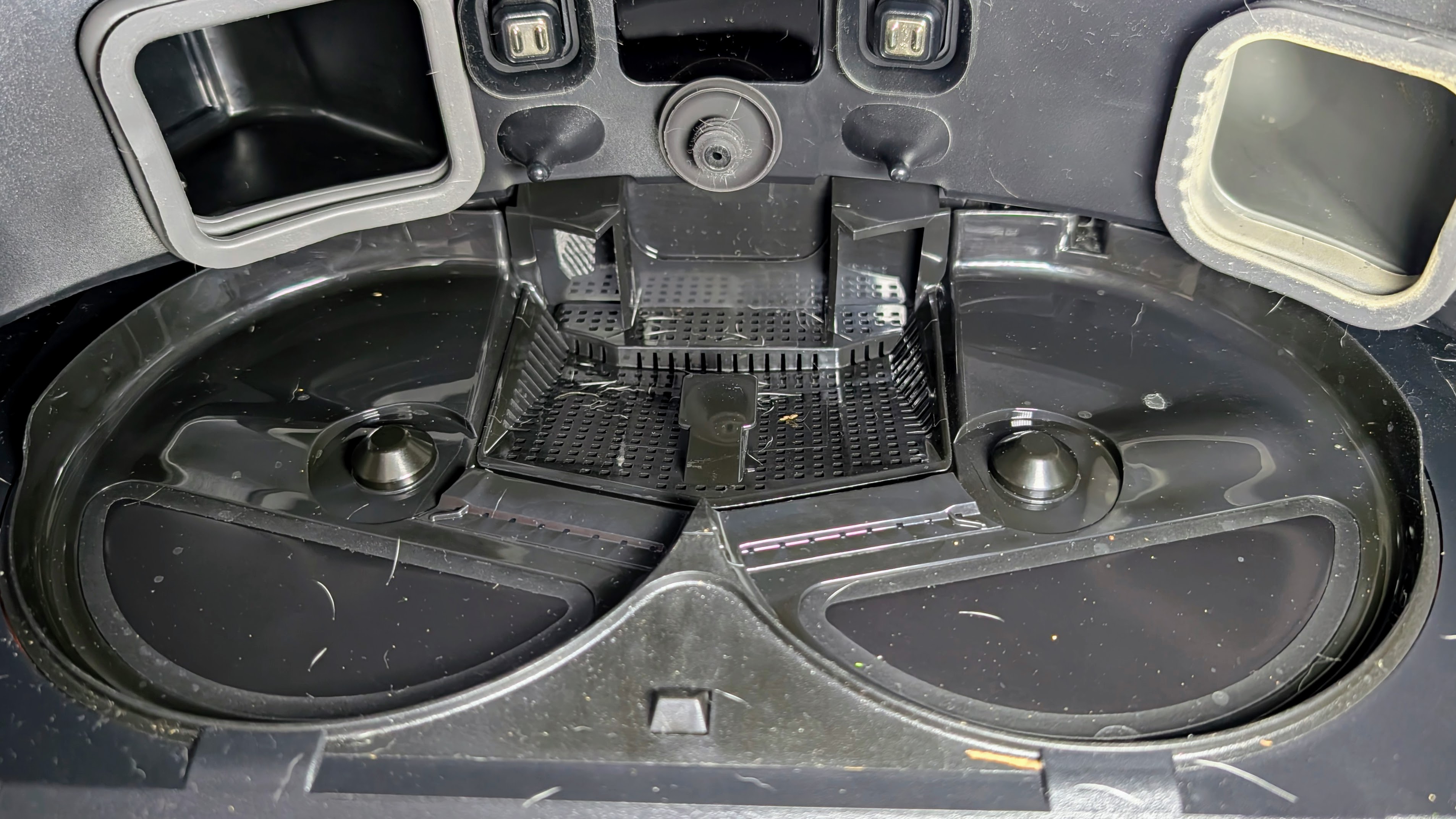
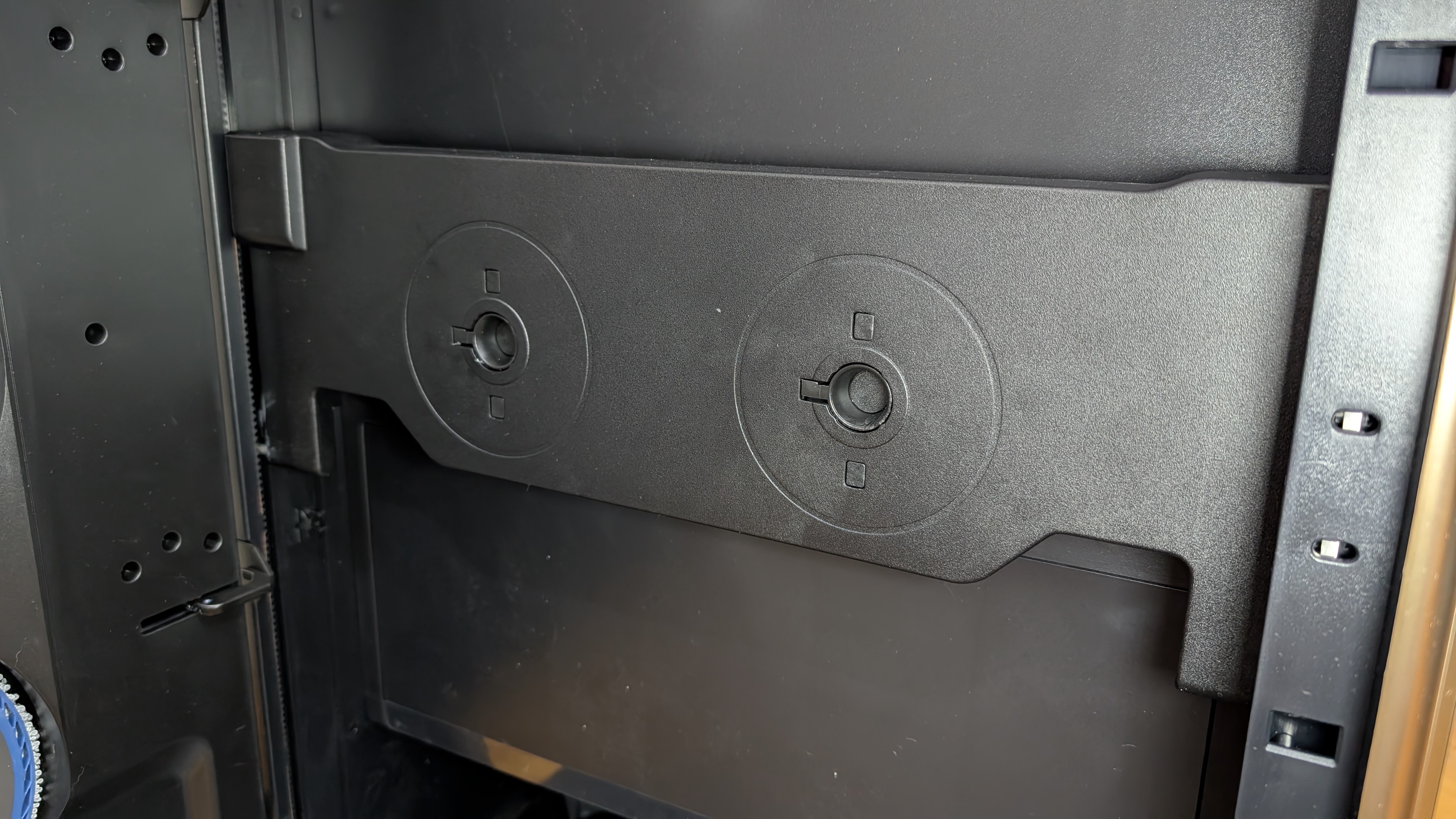
The result is that the Matrix10 was fully emptied every time in my testing, even when clearing up a lot of debris like leaf litter tracked in by my dog. It also sucked everything firmly to the back of the dust bag, meaning it holds more and lasts much longer before it needs to be changed. The base station is also better at telling when the dust bag needs to be changed when it does get full. This means my biggest complaint about the X40 Ultra is solved, and I can happily recommend the Matrix10 to anyone with dogs – even ones that shed long fur.
The Matrix10 also uses warm air to dry the dust bag and robovac’s dust box, to help avoid any lingering dampness potentially causing odours to build up. Compared to the X40 Ultra without this feature, I found it most noticeable for dog fur. For example, in wet weather (with damp air) when the base station auto empty would run, I sometimes noticed a mild wet dog smell from all the fur in the dust bag. With the Matrix10, I have not experienced this at all.
The mop-washing system worked well in my testing, with a small, but noticeable amount of noise as the only drawback. The base station heats water and feeds it into the wash tray, then circulates it across the mop pads while the robot spins the pads against plastic scrubbers to knock loose grime. That dirty water is then sucked up and added to the dirty-water tank. Afterwards, the station dries the pads and the wash area with warm air, which helps avoid odours forming.
Now, the sound level is pretty quiet overall, but I found the wash cycle itself quite noticeable, especially when the pumps kicked in. The drying step was much quieter, but the fan still produced a soft whirring sound (only audible in a very quiet room) for a few hours.
The base station also has a base station self-clean mode, and Dreame says: “the self-cleaning process lasts approximately 248 seconds”. I broke out the stopwatch, and yes, the time is accurate. The self clean is quite effective, and while I didn’t have much debris built up in the mop wash tray, it flushed it out well.
- Base station performance score: 5 / 5
Dreame Matrix10 Ultra review: App and control
- Deep customisation options
- Easy access to features
- The app is sometimes laggy
You can control cleaning basics for the Matrix10 Ultra using the buttons on top of the bot itself, such as triggering a clean, pausing it, or sending it back to the base station. But the app is key for normal day-to-day use and is needed for all the deeper customisation and accessing specific features, or options like viewing the cleaning history.
When testing the X40 Ultra, I was often mildly frustrated with the app, and found that many useful settings were buried in multiple layers of menus, or that navigation gestures were inconsistent. You also got locked out of the settings when the robovac was in operation. It just didn’t feel quite like a premium experience to match the premium price tag of the robovac.
Again, a lot of work has been put into the app since then, and it’s now much improved. Settings like Scheduled cleans are easily accessible straight from the main menu and navigation is much cleaner and more intuitive. You also no longer get locked out of changing settings (like scheduled cleans) when the bot is cleaning.
It’s not perfect, but it does now feel quite polished, and shows commitment to improving the user experience.
In my four weeks of testing, the Matrix10 Ultra never failed to start a scheduled clean or failed to respond to the app. Occasionally it took slightly longer than normal to load the data like cleaning results, but generally it was very fast.
While the voice control does work fine, I found that 99% of my control needs were either only available through the app (like changes to scheduled cleans), or simply just easier via the app. Likewise, it was much faster to trigger an area clean on the map in the app than use the “come to me” voice control mode for spot cleaning.
Like the X40 Ultra, the Matrix10 needs a 2.4GHz Wi-Fi network. I didn’t have any trouble connecting it to my standard auto band steering mesh network (like you can find in our best mesh Wi-Fi systems). In comparison, the X40 Ultra was most stable when using a dedicated 2.4GHz network.
The Dreamehome now takes things even further, with a Wi-Fi signal strength map. It identifies where it thinks the router is based on signal strength, and overlays signal strength on your existing home map. This is very handy as it gives a quick, easy visual indicator as to where there might be signal strength issues.
The Dreamehome app has more features and settings than I can reasonably cover here, but I will go over some of my favourites.
In the app you can set the bot to limit charge to 80%, which will help improve battery longevity by reducing the time it spends sitting at maximum charge, where the higher voltage results in faster battery wear.
You can also set times for the robovac to charge, which for those with time of day metering (or solar panels producing power during the day), means you can charge at the cheapest time. Sure, the savings are under AU$10 a year, but it also requires zero ongoing effort.
The app also has options for easily sharing control of the robovac to others, making it simple to have multiple people able to control it. There is even the option to submit feature ideas or issues directly via the app.
I also appreciate the pet care options, like setting Pet Activity keep out zones, doing pet monitoring, specific pet related cleaning controls (like extra frequent dust bin empties) and the Pet Moments feature that captures pics of your pet (in my case, the passing paws of a Great Dane) if the robovac spots them during cleaning.
While I am very impressed with the Dreamehome app, it’s not perfect. Occasionally I find it a bit laggy and options like the cleaning history take a while to open. I also noticed the wrong tooltip info in the Accessory Usage menu, where for Omnidirectional Wheel it says “Clean the washboard as needed” but when clicked, still has the full wheel cleaning info. I submitted this via the suggestion feature, and I will report back on how long it takes to get fixed.
Beyond these very minor quibbles, I have to say the Dreamehome app is the most polished and fully featured robovac app I have tested. And just as importantly, I am confident the Dreame team will continue to improve the experience over time.
Dreame Matrix10 Ultra review: Consumables and maintenance
The Matrix10 Ultra comes with everything you need to get started right away, and the supplies will last through your first few months at least. You get three dust bags (one already installed in the base station) plus 1 litre of floor cleaning liquid, a little 200ml bottle of pet odour reducing solution and 200ml of wood floor care solution. You also get the 12 mop pads (6 come preinstalled on the mop pad holders) and a spare side brush.
Slightly frustratingly, at the time of writing, the Dreame Australia website does not have the Matrix10 listed on the accessories page. The accessories page itself is also not very easy to use , and does not let you select a model to just show what accessories are available for it – instead you have to browse and read multiple descriptions looking for whatever model you have.
The good news is the dust bags are the same 3.2 litre ones used by the other premium Dreame robovacs, including the L and X Series. A three pack costs AU$39.95, which is not excessive, but also adds up over time. You can get third party bags from retailers like Amazon, but when I tested some on the X40 Ultra, they were mostly not as good as the official bags.
The Dreame app keeps track of each cleaning session and provides an estimated remaining life (in hours) for the consumables and wearing parts. The estimates generally seem quite conservative, and I expect many parts – like the main brush – will last longer than rated and need less frequent changing than expected.
Maintenance for the Matrix10 Ultra is fairly simple and took me about 10 minutes over a month. It’s not messy or difficult to do and mostly involves giving the robovac a check-over, dusting off the sensors, and removing any trapped hair if needed. The latter involves removing the side brush and simply sliding the wrapped hair off – I didn’t have to cut any free during my testing.
Image 1 of 9
Extrapolating my four weeks of testing to a full year, and using the remaining life estimates in the Dreame app, the Matrix10 Ultra consumables include 3 to 4 dust bags, one filter, one side brush, one main brush, a container of floor cleaner, and one set of replacement mop pads.
There’s no direct way to buy all this in a kit, or easily just get the individual bits, but the costs are around AU$150 to AU$200 a year. That said, based on wear levels so far, I fully expect it to last longer, so costs will be about half that. Still, I will wait until I have a couple more months of long term testing done then report back with more specific figures.
While using the official Dreame accessories is recommended, there are third-party consumables available from online retailers like eBay and Amazon. I tested some when reviewing the X40 Ultra and some of the leftover bags are also compatible with the Matrix10.
The best of the options are nearly identical to the official Dreame parts, while the worst are of very poor quality and simply won’t work well. Still, until Dreame offers more affordable bulk packs of dust bags, it’s hard to pass on third-party alternatives – provided you can find the good-quality ones.
- Consumables and maintenance score: 4 / 5
Should I Buy the Dreame Matrix10 Ultra?
|
Attribute |
Notes |
Score |
|---|---|---|
|
Value |
The Matrix10 Ultra is a pricey robovac, but in return it offers excellent cleaning and some rare features you won’t easily find elsewhere. |
4 / 5 |
|
Design |
A focus on new features, but also loads of small refinements and improvements that make all the boring day to day options work better than ever. |
4.5 / 5 |
|
Mapping and obstacle avoidance |
The Matrix10 has a very impressive ability to recognise obstacles and dodge anything that shouldn’t be cleaned or might cause it to get stuck. |
4.5 / 5 |
|
Performance |
The Matrix10 excelled at every mopping and vacuuming task I set, and outperforms any other robovac I have tested, while also being quieter. |
4.5 / 5 |
|
App and control |
The Dreamehome app is much improved, and gives an impressive depth of customisation and control, with only the tiniest of minor flaws. |
4.5 / 5 |
|
Consumables, wear and maintenance |
Maintaining the Matrix10 is quick and easy, and all the parts are more robust than the conservative wear ratings suggest. Still, it would help if spares were easier to buy and a bulk dust bag purchase option existed. |
4 / 5 |
Buy it if…
Don’t buy it if…
Also consider
Not sold on the Dreame Matrix10 Ultra? Below are a few alternatives that are worth considering.
How I tested the Dreame Matrix10 Ultra
- I used the Matrix10 Ultra as my main vacuum cleaner for a month
- My testing space included hard floors and carpet
- I performed specific grain-size and wet-spill tests
I used the Dreame Matrix10 Ultra daily for a month in a home with a dog and two adults. I tested the Matrix10 Ultra on polished wooden floors, tiles, carpet, and medium-pile rugs. The weather during the test period included both wet and dry conditions. I started with an initial deep clean, followed by ongoing daily vacuuming, with mopping once or twice a week – plus extra spot cleans as needed. I tested both the automatic CleanGenius mode and customised cleans using schedules and shortcuts.
I documented cleaning performance over the testing period and conducted a range of specific tests with different debris sizes to further gauge vacuuming ability. I also tested dry and wet spills to evaluate the mopping prowess. Additionally, I strategically placed debris – including fur, leaves and hair – in problem areas such as corners to assess the robovac’s effectiveness in daily use.
During my testing period, I also performed maintenance tasks such as changing the base station vacuum bag (though notably it was only full after all the extra vacuum tests I did), and manually cleaned the mop cleaning system in the base station, plus performed the full range of spot checks.