

🔴 Website 👉 https://u-s-news.com/
Telegram 👉 https://t.me/usnewscom_channel
Sometimes there’s a pinch of embarrassment in asking mom if the bread belongs in the fridge or pantry.
To avoid the judgment, many of us resort to a quick Google search, but sometimes even our searches start looking questionable.
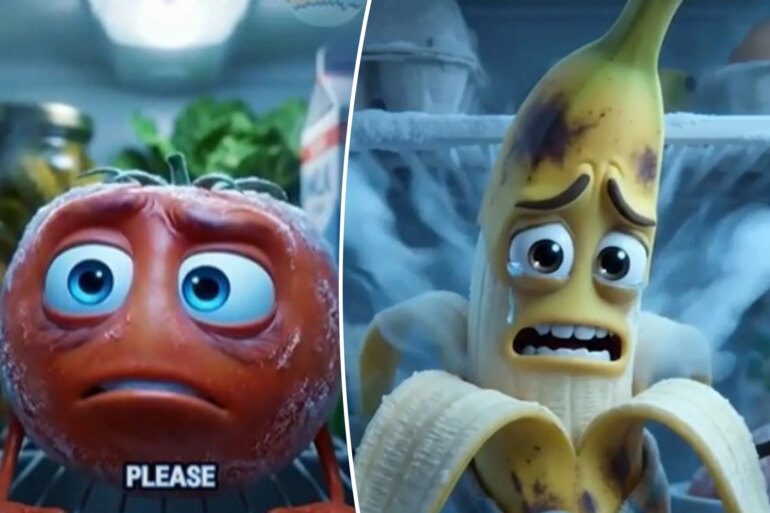
Luckily, thousands of videos featuring AI generated fruit and veggies are flooding our feeds, offering tips on their nutritional value and where best to store them.
“Its like cocomelon for adults,” commented a viewer.
The weirdest part is that adults are actually listening.
“The viral spread of AI-generated talking fruits and vegetables teaching kitchen hacks looks silly but it makes sense if you tie it to the way people absorb information,” media psychologist, Dr. Pamela Rutledge said.
A typical Google search demands quite a bit of work and asking a real person is somewhat difficult.
“Real people, even friendly ones, trigger some amount of social comparison: Do I already know this? Should I know this? Am I behind? Cartoons and clearly non-human characters short-circuit that,” Rutledge said.
By using exaggerated expressions and a dose of attitude, these AI characters reduce the “ego threat” of being told what to do.
The advice given is practical.
“I’m pasta, and you please don’t add oil to water please,” pleaded an AI-generated pasta.
But that’s not where it ends.
There is also honey demanding to be taken out of the fridge, a tomato begging you to store it outside and bread complaining that it’s getting rock solid in the fridge.
“They be having an attitude lmao,” commented a user on the video.

“A cartoon vegetable can give advice (and even call you names) without threatening your ego, so it’s easier to comply,” Rutledge said.
“As a 35-year-old who is currently becoming an adult, these are helpful,” commented a user.
Some adults are also wanting these videos to move beyond the kitchen to other life skills.
“This should be a new kids show, and then they should do one on filing taxes and starting a 401k,” commented a user.
This shows how we consume information.
“While Google assumes that users know what to ask, want options and are willing to evaluate sources. Our brains are lazy, so we are happy to pay attention to something that reduces information to “good enough” requiring minimal judgment, that is also entertaining,” Rutledge said.
It seems the only way to get a modern adult to learn basic life skills is to have AI cartoon videos that are low-threat and psychologically accessible.