
🔴 Website 👉 https://u-s-news.com/
Telegram 👉 https://t.me/usnewscom_channel
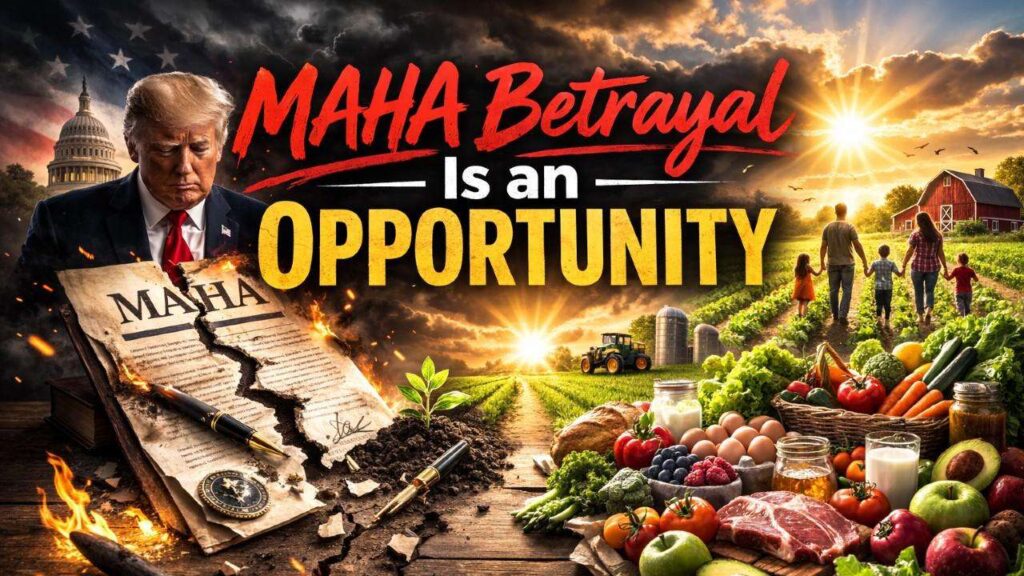
President Trump’s recent executive order to boost domestic production of glyphosate and related inputs has pushed a national debate about farm policy, public health, and the future of American agriculture into the spotlight. This piece looks at the administration’s rationale, the Make America Healthy Again response, how regenerative practices offer an alternative, and the practical hurdles and policy shifts that could follow.
The White House invoked the Defense Production Act to address supply chain and national security concerns, prioritizing ingredients used in herbicides. From a Republican perspective, securing supply chains and protecting farmers’ ability to plant and harvest is a legitimate federal role. Critics argue this is a step backward on public health, but the order was sold as a practical, short-term fix to a real bottleneck.
Make America Healthy Again, a movement pressing for a chemical-free food system, reacted strongly and used the moment to accelerate its message. Leaders within MAHA say the move exposes how dependent modern agriculture is on synthetics and strengthens their call to shift toward soil-focused practices. That push taps into a broader conservative tradition of stewardship—managing land responsibly while protecting local economies.
Robert F. Kennedy Jr., now part of the administration’s circle, has been a prominent voice warning about glyphosate’s links to serious health concerns. He and others point to studies and lawsuits alleging connections to cancer and ecosystem damage. Those figures have helped make glyphosate a household term, and the controversy is pushing more people to ask what actually goes into their food.
Farmers switching to regenerative methods report real, measurable benefits that appeal to independent, results-oriented conservatives. Practices like cover cropping, rotational grazing, and building soil organic matter can reduce dependence on purchased chemicals and sometimes lower costs. Farmers such as Derek Perry describe improved water retention and herd health after adopting these techniques, showing that productivity and stewardship can go hand in hand.
“We’re spraying our children’s food with a weedkiller that’s been classified as a probable human carcinogen,” has become a rallying quote for activists concerned about residues and long-term exposure. That line crystallizes the fear driving much of the public reaction, even as regulators and industry dispute some of the worst claims. For many families, though, the perceived risk is enough to prompt changes in buying habits and school lunch policies.
Evidence from long-term trials suggests regenerative systems can be resilient, especially in extreme weather, and may sequester carbon while reducing runoff. Organizations running side-by-side comparisons report competitive yields and better performance during droughts and floods. These outcomes appeal to voters who want common-sense solutions that protect both production and the environment without heavy-handed bans.
Consumer demand is shifting toward whole, minimally processed foods, and grassroots markets and CSAs are growing as people seek clearer supply chains. “Real food doesn’t come in a box with a list of ingredients you can’t pronounce,” is a phrase influencers use to steer shoppers away from ultra-processed options. That consumer pressure creates market incentives for farmers to change practices even if policy moves slowly.


Transitioning is not free or instant. Upfront costs, new knowledge, and legacy subsidy structures favor conventional commodity production. Yet conservative policy tools—market-based incentives, targeted conservation grants, and private-public partnerships—can lower barriers without imposing federal mandates. Programs that reward carbon sequestration and soil health fit a Republican preference for outcomes-based solutions over command-and-control rules.
Activists like Zen Honeycutt warn of residues in common foods and push for glyphosate-free options in schools, arguing children’s health is nonnegotiable. “Our kids are the canaries in the coal mine,” she says, urging policy and purchasing decisions that protect the young. Such grassroots pressure is influencing local boards and school districts, showing how community choices can precede federal action.
MAHA leaders are branching into education and lobbying, seeking incentives to grow regenerative acreage and reduce subsidies for chemical-heavy practices. “This isn’t about banning tools overnight; it’s about building a system that doesn’t need them,” is a practical line that bridges activist urgency with conservative caution. If policy shifts toward rewarding outcomes, innovation on American farms can scale without sacrificing productivity or national security.
The debate will shape upcoming farm bills and regulatory conversations, and farmers are already experimenting and proving what works. Republican policymakers can support soil health, bolster rural economies, and defend supply chains by backing market incentives and voluntary conservation programs. The question for voters is whether we want durable food systems that combine security, stewardship, and prosperity; the choices made now will determine which path America takes.