
🔴 Website 👉 https://u-s-news.com/
Telegram 👉 https://t.me/usnewscom_channel
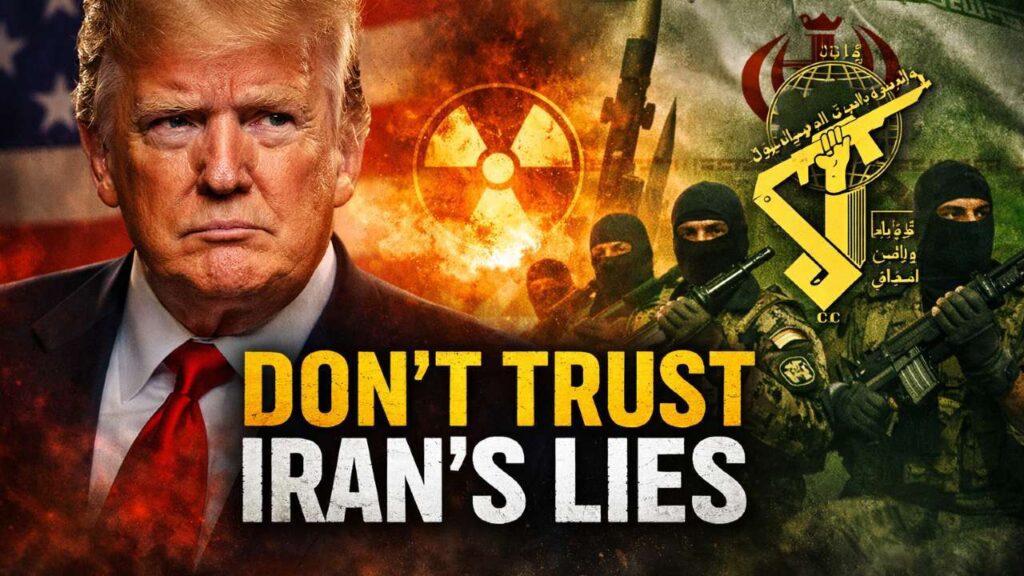
President Trump says Iran has agreed to permanently forgo nuclear weapons, a claim that has shaken markets and politics. His assertion, paired with halted strikes and reports of indirect talks, raises hard questions about verification, Iranian denials, and whether a durable deal is possible under American conditions.
Trump told reporters plainly that “They’ve agreed,” and he insisted, “They will never have a nuclear weapon. They’ve agreed to that.” He underlined the point again as the primary demand, calling prevention of a nuclear Iran “number one, two and three” for any resolution. That directness fits a negotiating posture that mixes pressure with an offer of talks.
Iran, for its part, denies formal negotiations and has rejected direct engagement with Washington. Tehran’s public denials complicate the picture and make any American claim vulnerable to pushback from officials who insist no talks are underway. The mismatch between American announcements and Iranian statements increases skepticism among observers.
The timing followed a U.S. pause on additional strikes against Iranian energy infrastructure, a decision the White House linked to productive channels of communication. Administration figures have acknowledged indirect discussions involving senior advisers, and reports have suggested the talks could span nuclear limits, missile behavior, freedom of navigation in the Strait of Hormuz, and sanctions relief. Those broad topics show the deal, if real, would be more than a single-issue bargain.
Background pressure has been intense: prior U.S. and allied strikes, concerns over growing stockpiles of enriched uranium, and targeted operations that removed senior Iranian operatives. The administration frames that pressure as leverage to extract verifiable concessions rather than endless conflict. From a Republican perspective, the emphasis remains on securing enforceable terms rather than trusting vague promises.
Trump signaled optimism that “major points of agreement” exist, but he also stressed verification and enforcement as nonnegotiable. Concrete steps — removal or control of enriched uranium, expanded inspections, and irreversible limits on weapon-related infrastructure — are the kinds of measures the U.S. will insist on. Officials say they would want clear mechanisms to prevent any future breakout capability.
Markets reacted swiftly, with oil prices dropping on hopes that de-escalation might restore stability to the Gulf and energy flows. That financial response underscores how geopolitics and commerce intersect when tensions flare near vital shipping lanes and production hubs. For policymakers, market calm can be both a signal and an incentive to keep diplomatic momentum alive.


Still, many questions remain about whether Iran’s apparent concession is a formal, binding promise or a negotiating posture. Past history shows Tehran has sometimes frozen activities under pressure only to resume them later, which keeps verification front and center for U.S. negotiators. Republican strategy here stresses that any agreement must be durable, transparent, and backed by the credible threat of renewed pressure if terms are broken.
Beyond nuclear limits, the broader agenda would need to address ballistic missiles, proxy activity, and sanctions relief in ways that protect American and allied security interests. Trump has framed his approach as maximum pressure followed by realistic deal-making that demands tangible results. If the commitments are real and enforceable, they would reshape risk calculations across the Middle East; if not, the option of renewed military steps remains on the table.
The coming days will test whether private assurances can be translated into public, verifiable action. Will Iran accept intrusive inspections and irreversible steps that remove the possibility of weaponization? Can mediators lock down clauses that prevent future evasion? Answers will determine whether this episode becomes a genuine turning point or another missed opportunity.