
🔴 Website 👉 https://u-s-news.com/
Telegram 👉 https://t.me/usnewscom_channel
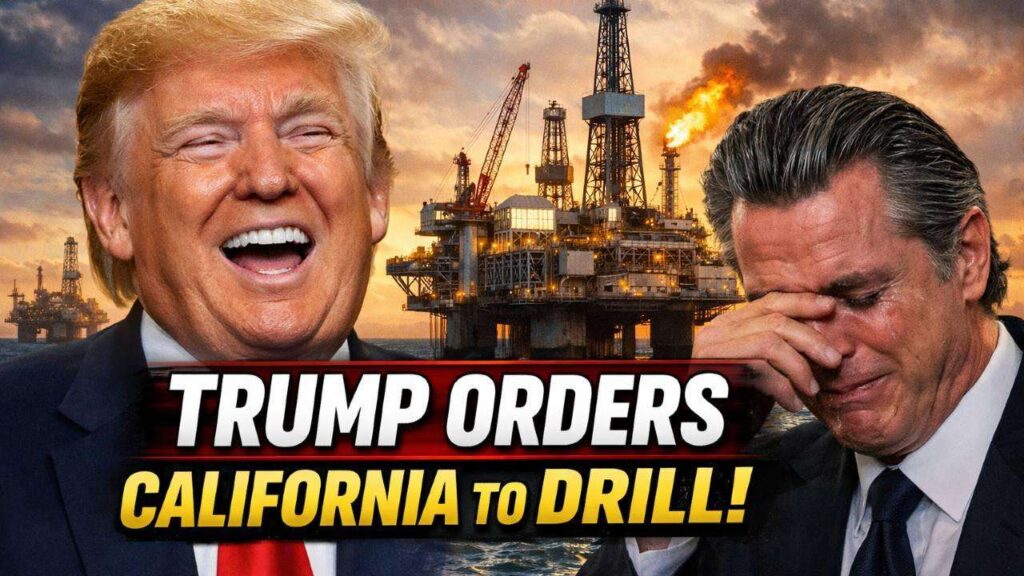
President Trump has ordered the restart of offshore oil operations off southern California, using federal authority to push past state restrictions and prioritize American energy needs and lower gas costs.
The White House moved to clear the way for production tied to the Santa Ynez unit and its pipeline, invoking powers meant to safeguard national energy security. This directly challenges California rules that blocked repairs and kept wells closed after the 2015 spill. The action frames domestic oil as a strategic asset at a time when global pressures are pushing fuel prices up.
By citing the Defense Production Act, the administration is asserting federal supremacy over state barriers that prevented work on critical infrastructure. The move aims to repair and reactivate facilities that could add meaningful daily supply, easing pressure on prices and supply lines. Supporters see it as common sense: when supply is tight, use what we already have here.
Gasoline prices are painfully high for Americans, and the administration points to global instability as a big reason why. Oil trading above one hundred dollars per barrel has real consequences at the pump and for household budgets. The decision links energy policy directly to national security and pocketbook issues that voters care about.
Energy officials argue the order could restore tens of thousands of barrels per day from existing fields without waiting years for new leases or long environmental reviews. That’s a pragmatic approach compared with promises of distant, uncertain renewables alone. The point is to get real production online fast and reduce reliance on foreign suppliers in a volatile world.
California leaders see this as federal overreach, and a legal fight is already shaping up as state officials vow to sue. Those lawsuits will test how far presidential power reaches when state rules block work on pipelines and offshore repairs. Until courts decide, the administration is betting politics and the public will favor action that aims to lower prices and bolster supply.
Environmental groups and coastal communities raised old wounds about spills and marine impacts, and those concerns are real and worth hearing. The administration responds that safeguards and modern techniques can mitigate risks while restoring production from already-developed sites. The debate is now between immediate energy needs and long-term environmental priorities, and Washington is picking a side.


This step fits into a broader Republican push to maximize domestic fossil fuel output under the banner “drill, baby, drill” while promising energy independence and cheaper fuel. It follows previous moves to reopen leasing options and invite industry nominations for areas off California’s coast. The strategy is about converting potential into production quickly when markets and geopolitics demand it.
The practical outcome depends on legal rulings and how fast operators can safely repair pipelines and equipment. If the courts back the federal position and companies move quickly, pump prices could ease and the military’s dependence on distant sources could shrink. If litigation drags or operational snags appear, the order will be a political footprint more than an immediate supply fix.
What’s clear is the administration is making a calculated bet that voters prefer energy abundance and lower costs over strict state-level restrictions. That bet turns traditional red-blue dividing lines into a national energy argument, and it will shape how future disputes over coastal resources are resolved. For now, the order signals a decisive federal posture: prioritize American energy and act quickly when supplies get tight.