
🔴 Website 👉 https://u-s-news.com/
Telegram 👉 https://t.me/usnewscom_channel
The SAVE America Act is headed to the Senate floor, but the fight is as much about who will actually change Washington as it is about voter ID and citizenship checks. This piece explains why the bill is popular, why Senate rules make it hard to pass, and how leadership choices shape whether reform happens or stays a talking point.
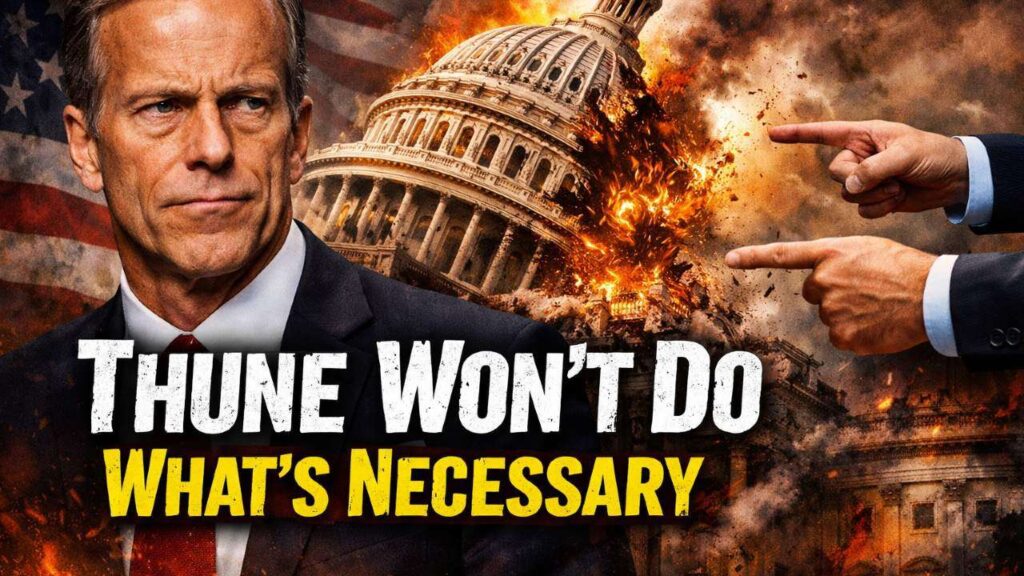
The Senate Majority Leader set the calendar and framed the debate, yet his approach leaves the hard work off the table. He has scheduled the SAVE America Act for debate next week while refusing to alter the Senate rules that block its passage. That choice turns a push for election integrity into a public test of leadership.
The legislation itself aims at plain measures: proof of citizenship to register and photo ID to vote, measures that appeal across party lines. Supporters argue these steps protect the legitimacy of elections and restore trust after years of allegations and confusion. Opponents claim potential harm to some voters, but many states already use similar safeguards without widespread disenfranchisement.
President Trump has made the bill the top priority and has applied public pressure for it to move forward in strong form. He wrote that the bill “must be done immediately. It supersedes everything else. MUST GO TO THE FRONT OF THE LINE.” His message to Senate Republicans is simple: deliver results or answer for it politically.
Thune insists the point of the floor time is to force Democrats to go on record, and he told colleagues plainly, “I can’t guarantee an outcome on this legislation,” Thune said, “but I can guarantee that we are going to put Democrats on the record.” That tactic will produce headlines and roll-call votes, but it avoids the only tools that could change the outcome. In practice, scheduling a doomed vote hands the talking points to those who prefer the status quo.
Critics on the right see a pattern where Senate leaders favor process over policy when a true fight is required. They say this pattern protects senators from the political consequences of bold action and leaves base voters feeling betrayed. When popular policies stall behind procedural norms, momentum and trust evaporate and Republicans risk looking weak on their priorities.
Calls to shift the filibuster back to a talking model or to eliminate it entirely have been rejected by leadership, who warn of long term consequences. Those warnings about norms are real, but so are the consequences of failing to act on what voters plainly support. The choice between preserving institutional comfort and delivering on promises is a political judgment, and many conservatives believe it is time for decisive action.


Some senators and activists have proposed attaching parts of the bill to must-pass items so the reforms cannot be parked indefinitely. Those tactical suggestions have found little traction in current leadership plans, which prefer an open floor debate that ends with the familiar gridlock. The result is a high profile debate that produces votes but not the reforms voters expect.
For rank-and-file Republicans and their voters, the risk is clear heading into the next campaign cycle. If leadership repeatedly offers symbolic fights instead of enforceable victories, the party’s credibility on election integrity will suffer. The SAVE America Act is now a barometer: will Senate Republicans push through difficult rules changes to win, or will they preserve the Senate’s current architecture and accept defeat as predictable and convenient?
What happens on the floor next week will signal whether promises mean policy or just press statements. For those who want real change, the choice is between confronting Senate procedure or watching reform die politely on the calendar. The outcome will matter long after the debate ends, because trust in our elections is not a talking point; it is the foundation of everything else.