
🔴 Website 👉 https://u-s-news.com/
Telegram 👉 https://t.me/usnewscom_channel
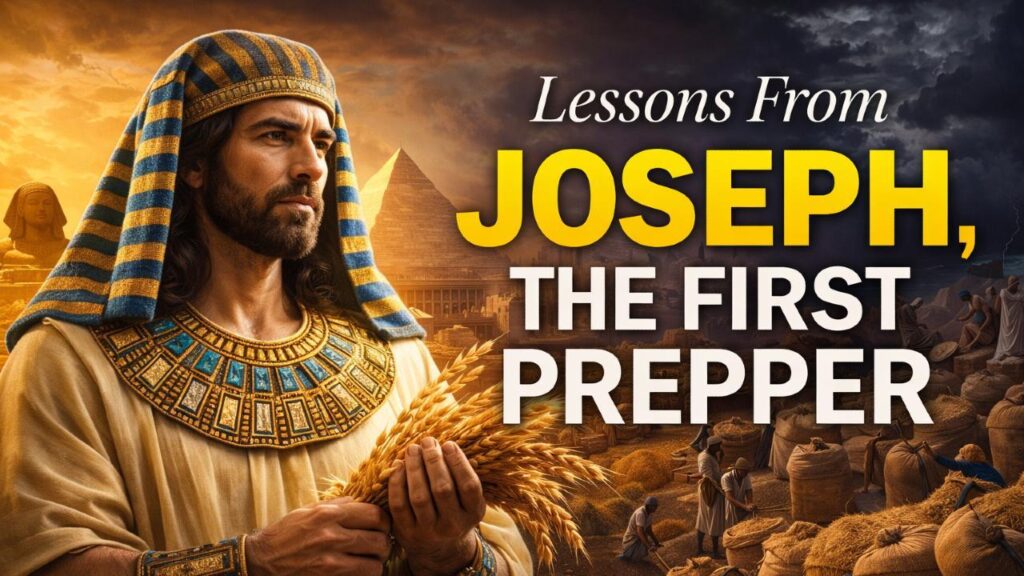
This piece looks at Joseph’s emergency planning in Egypt as a model for modern preparedness, tracing how foresight, deliberate surplus, and strategic choices can turn survival planning into community strength and economic leverage.
Many people treat preparedness as a private checklist: food, shelter, and security until the crisis passes. Those basics matter, but Joseph’s story invites a broader view that treats prosperity as a window to build lasting resilience. He moved from private survival to public provision in a way that reshaped a nation.
When Pharaoh’s strange dreams arrived, Joseph read them as a timeline, not just a warning. He saw seven years of plenty followed by seven years of famine and used that knowledge to design policy. That forward thinking turned a personal insight into national strategy.
Joseph convinced Egypt to harvest and hold back a portion of abundance every year, then to protect and preserve it in large storehouses. Scripture records the scale of that gathering: “as the sand of the sea, very much, until he left numbering; for it was without number” (Genesis 41:49). The decision was not to hoard what was needed for a few, but to accumulate enough to change the balance of power during hardship.
When the lean years hit, the crisis spread beyond Egypt’s borders and regional crops failed. Neighboring peoples faced depleting supplies and growing panic, while Egypt sat on reserves. That contrast turned Egypt into a logistics center rather than a single surviving household.
People came from distant lands to buy food, including those who had never expected to plead for grain. That inflow of hungry buyers created a market that Joseph managed, and it wasn’t charity alone that kept people alive—it was a functioning exchange. The choice to sell rather than simply distribute turned stored abundance into transactional resilience.
As famine dragged on, money, livestock, and eventually land moved into Egypt’s control in exchange for grain. That exchange shifted resources and authority to the steward who had planned ahead. A preparedness strategy became an economic engine, strengthening institutions and creating stability where chaos might otherwise have reigned.
There’s a practical takeaway for anyone thinking about readiness today: holding surplus changes your role in crisis from isolated survivor to indispensable resource. That shift creates responsibilities and opportunities alike, from helping neighbors to shaping recovery. Abundance, managed well, multiplies influence without requiring selfishness.


In collapsed or strained systems, barter and informal exchange take over fast, and items that seemed mundane become critical currency. Food, tools, fuel, and practical skills gain immediate value when regular supply chains break. Being ready with extras can let you trade, assist, or lead in rebuilding local networks.
Preparedness framed as stewardship changes the moral picture. Saving for your family is the first duty, but intentional surplus can be stewarded to shore up a community and preserve institutions. That kind of planning builds social capital and can prevent total disorder during long crises.
Joseph’s example shows that preparation can be both moral and strategic: it saves lives and strengthens the commonwealth. If you prepare with abundance in mind, you increase your ability to serve while protecting your household. The long run belongs to those who plan for more than merely getting by.