

🔴 Website 👉 https://u-s-news.com/
Telegram 👉 https://t.me/usnewscom_channel
San Francisco is cleaning up for Super Bowl LX, set for Sunday, Feb. 8.
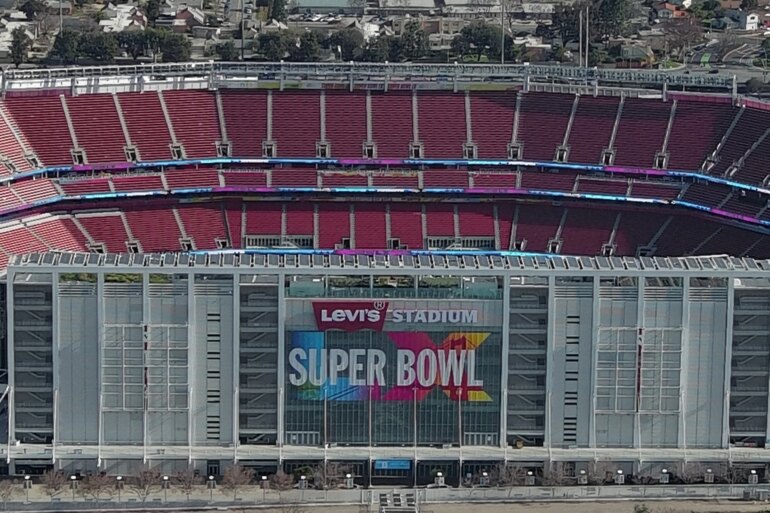
With the New England Patriots and Seattle Seahawks gearing up for their historic clash at Levi’s Stadium in Santa Clara, preparations are intensifying across the Bay Area.
San Francisco, the primary hub for tourism, hotels, dining, retail, and events like the Super Bowl Experience at Moscone Convention Center, is ramping up efforts to present a polished image.
The Bay Area Host Committee projects up to $440 million in economic benefits for the city. Yet locals wonder: Will the shine last beyond the final whistle, or will familiar problems — homeless encampments, open-air drug markets, graffiti, and street blight — quickly return?
The pattern is well-established.
In 2023, Gov. Gavin Newsom openly acknowledged ordering an aggressive cleanup for the Asia-Pacific Economic Cooperation (APEC) summit, largely for the benefit of visiting Chinese Premier Xi JInping.
“I know folks say, ‘Oh, they’re just cleaning up this place because all those fancy leaders are coming into town.’ That’s true … because it’s true,” he said in a widely mocked press conference.
The effort included street pressure-washing, graffiti removal, temporary fencing, and the relocation of encampments and drug activity — improvements that faded within days after the dignitaries departed.
Similar temporary “sparkle” initiatives have accompanied other major events.
Dreamforce, Salesforce’s annual mega-conference drawing tens of thousands again to Moscone Center and downtown, has routinely prompted heightened street cleaning, security boosts, and public safety measures in the lead-up.
In 2023, CEO Marc Benioff threatened to pull the event from his hometown over persistent homelessness, open-air drug dealing, and safety concerns, prompting City Hall to intensify cleanup and enforcement. The convention ultimately stayed, and the tough love message to city hall appeared effective — however briefly.
Now, with Super Bowl LX approaching, city officials and San Francisco Mayor Daniel Lurie have outlined a comprehensive public safety plan. The plan includes full police staffing (with days off canceled), heightened patrols in key areas, activation of the Emergency Operations Center, and partnerships with federal and state agencies.
Officials emphasize that preparations build on recent crime drops and aim to maintain safety for both residents and visitors without straining routine coverage.
Notably, Lurie has publicly stated there will be no widespread homeless sweeps tied to the Super Bowl. Outreach and coordination will continue as usual, including during and after the event, with a focus on high-traffic corridors and neighborhoods citywide, rather than dramatic, optics-driven interventions.
Routine services, such as graffiti abatement and illegal dumping cleanup, will persist alongside event-specific efforts.

Despite these assurances, many San Franciscans remain skeptical. Past events have shown that massive cleanups take place only when outsiders (world leaders, tourists, media, or NFL crowds) are watching.
Residents frequently describe the contrast as insulting: Why muster such energy to make the city pristine for visitors, only to let conditions revert afterward? We face year-round issues — needles on sidewalks, visible disorder, waste, and encampments — without equivalent sustained action.
Post-event challenges compound the frustration. The downtown and SoMa areas often see vandalism, property damage, unpermitted street parties, graffiti, broken windows, trespassing, and general chaos in the aftermath, with cleanup always feeling inadequate. Noise, crowds, protests, and restricted zones disrupt daily life, leaving locals feeling sidelined while the city, corporate hosts, and VIPs reap the benefits of a curated spectacle.
This recurring cycle of temporary shine for big events versus inconsistent governance on quality-of-life issues fuels broader discontent. Online forums and local news amplify the sentiment: The city excels at short-term facelifts, but struggles with permanent solutions.
For once, Mayor Lurie has an opportunity to break the pattern. By prioritizing sustained improvements in cleanliness, homeless abatement, and public satefy, the city can finally deliver a sparkle that endures.
Locals aren’t asking for a one-time performance; we want consistent care that matches the effort shown to visitors. We are here for the long run.
Richie Greenberg is a political commentator based in San Francisco.