
🔴 Website 👉 https://u-s-news.com/
Telegram 👉 https://t.me/usnewscom_channel
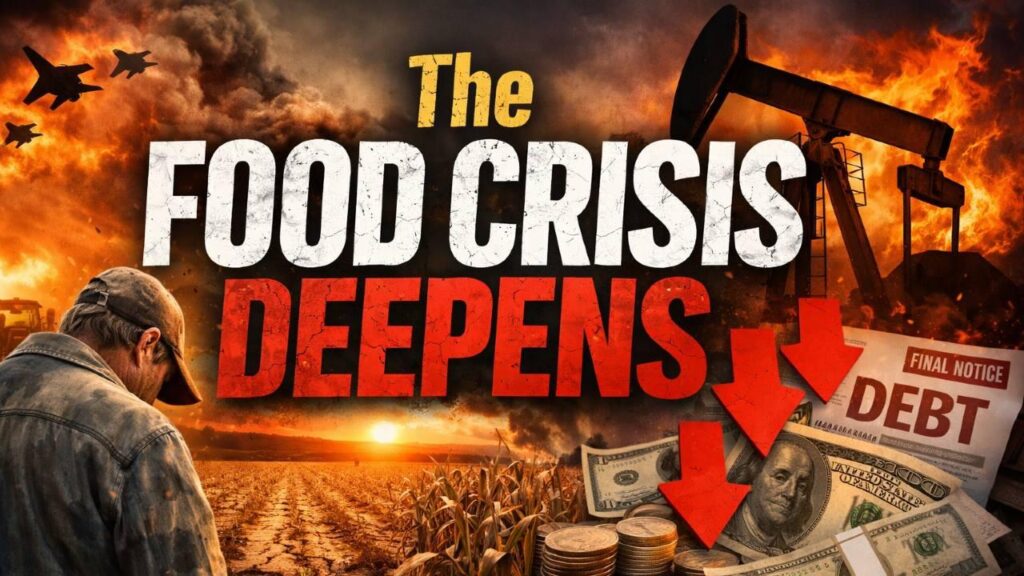
The American farm economy is under pressure from linked shocks: higher energy costs, unstable fertilizer markets, rising farm debt, and global supply chain disruptions that together raise the cost of producing and moving food. These forces hit growers where margins are thinnest and force tough choices about planting, livestock, and long-term investment. Faith and practical stewardship remain part of the rural response as producers navigate uncertainty and balance hope with hard numbers.
Energy is one of the clearest stressors for agriculture. Diesel and gasoline power the tractors, combines, irrigation pumps, and trucks that move crops from fields to elevators, and spikes in oil prices raise every line item on a farm balance sheet. When geopolitical tensions push crude higher, farmers feel the effect quickly and directly in their operating budgets.
Fertilizer is another immediate channel where energy and agriculture intersect. Much of the nitrogen fertilizer used in major row crops is made from natural gas, so when energy markets tighten, fertilizer becomes more expensive and less predictable. That volatility makes it harder for growers to set planting plans, lock in budgets, or hedge input costs effectively.
Debt levels across the sector have climbed to concerning marks, as many producers borrowed to cover rising input bills, equipment purchases, and land costs. Operating loans and long-term mortgages create a squeeze if commodity prices slide or if input costs remain elevated. The result is a financial landscape where a single bad season can push marginal operations into serious trouble.
Small and mid-size farms are especially exposed in this environment. Larger operations and corporate owners often have better access to credit, diversified revenue streams, and the scale to absorb short-term shocks. Family farms that run on narrow margins face tougher tradeoffs when fuel and fertilizer bills climb or when access to parts and machinery becomes erratic.
Global supply chains add an extra layer of instability that reaches into equipment, seed, and chemical availability. Conflicts can reroute shipping, raise freight insurance costs, and delay critical components needed in planting windows. Even modest delays or price spikes for farm machinery parts can force producers to postpone repairs or run older, less efficient equipment through another season.


The downstream effect touches consumers too, because production decisions by farmers shape food supply months later. If growers plant fewer acres or reduce herd sizes to cut costs, the supply of meat, grain, and vegetables adjusts accordingly and prices can climb at the grocery store. Food inflation becomes more likely when multiple cost pressures line up at once.
For many rural communities, spiritual and cultural principles inform how they cope with these challenges. The Bible frames stewardship as a mandate to manage resources faithfully, and for some the verse “The earth is the Lord’s, and the fulness thereof; the world, and they that dwell therein.” provides a reminder of perspective and responsibility. That sense of calling often translates into careful conservation, crop rotation, and long-term thinking even when short-term pressures bite.
Decision time is now for many producers who must choose whether to plant, how much to borrow, and when to invest in equipment or soil health. Lenders, suppliers, and farm families will be watching energy markets, fertilizer availability, and global freight conditions closely as they make plans. The months ahead will test adaptability, and many on the land are already adjusting routines, budgets, and expectations to keep operations viable without sacrificing the land they steward.