
🔴 Website 👉 https://u-s-news.com/
Telegram 👉 https://t.me/usnewscom_channel
“There’s really nothing scarier for a parent than having the government come to your door, forcibly take your kid from you, not be sure where they’re going, not be sure when you’re going to see them again,” Max Selver told Gothamist.
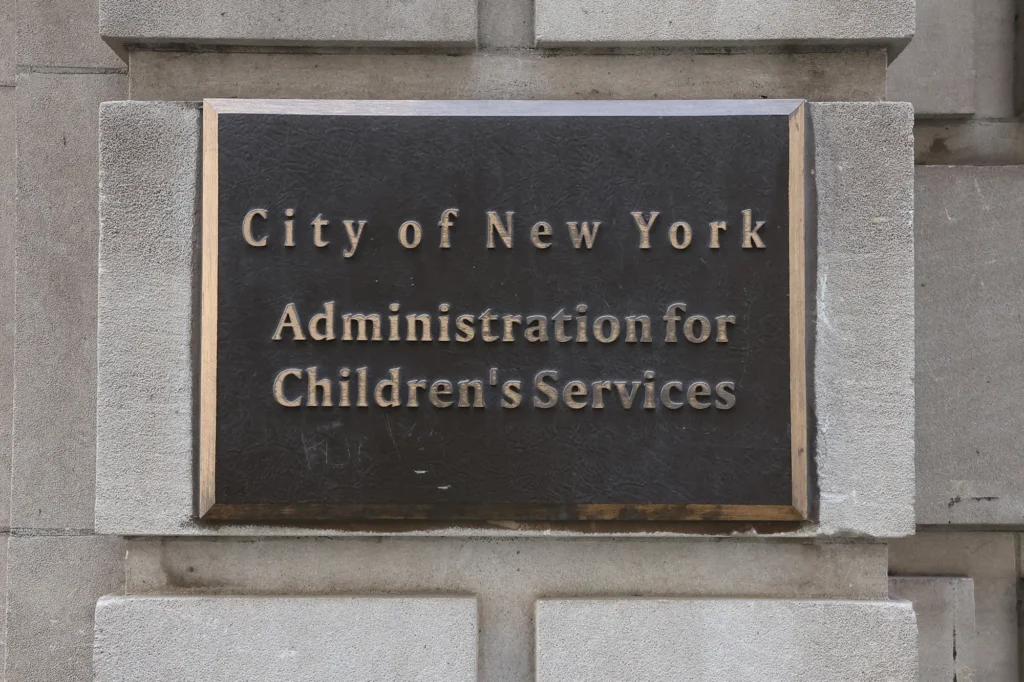
Selver, the lawyer representing Meredith Trainor in a federal lawsuit filed last week against the city’s Administration for Children’s Services for removing her 11-month-old daughter from her custody, might want to rethink that statement.
After all, many parents might find what happened to Trainor prior to this removal — learning her baby is in the emergency room, having ingested cocaine while in the care of the child’s father, who lied and said the girl may have put something in her mouth at the playground — even scarier.
You would have to get through nine paragraphs and a bar graph in the Gothamist story to learn what actually happened to Trainor’s baby, i.e., what actually led ACS to seek the emergency removal.
But for the media, activists and many of the folks who work in child welfare these days, government intervention, not child abuse, is the real danger.
Drug use by parents — the father apparently had a history of it — is just an interesting habit to be managed.
For evidence of this attitude, look no further than a new report put together by upEND, an organization devoted to abolishing the child-welfare system, and the Drug Policy Alliance, the Soros-funded organization that has pushed drug legalization and destructive “harm reduction” programs across the country.
“Reclaiming Safety for Children Whose Parents Use Substances” throws any notion of what normal people think of as safety out the window.
The introduction to the paper is written by none other than Angela Burton, who was until a couple of weeks ago a finalist for the job of running ACS.
Burton gushes about how the paper’s authors “call for new norms that center children’s and families’ actual conditions rather than fictional ideals of ‘good parenting’ or ‘unexamined beliefs that all parental drug use causes harm.’ ”
Here is a partial list of the actual, nonfictional harms caused by parental drug use:
Between 400,000 and 480,000 US infants are born “substance-exposed” every year, many suffering from neonatal abstinence syndrome or more permanent physical and developmental disabilities as a result.
A high percentage of the thousands of unsafe-sleep deaths are the result of parents who are intoxicated and then roll over onto children in their beds.
Some 15,000 children have died from opioid poisonings in the past 25 years, and another 70,000 had serious but nonfatal poisonings.
Up to 90% of the families involved with the child-welfare system suffer from substance abuse.
And the results are clear. In Arizona, for instance, of the 128 children who died in 2021 from abuse or neglect, substance use was a contributing factor in 59% of the deaths.
Drug use by parents with young children often means mothers and fathers are not paying attention.
Babies and toddlers need constant monitoring and supervision. Even perfectly sober parents find this challenging.
When parents are dealing with drug and alcohol abuse, they will often fail to provide children with proper food, hygiene and even medical care when they need it.
But rather than forcing parents to get clean and removing their children if they are abusing them or neglecting them, the new report instead recommends giving families unrestricted cash benefits (always a winning idea for drug addicts).


The authors assert that “the most persistent threats to families with a substance-using parent stem from housing insecurity, economic precarity, strained relationships and the absence of reliable material and social support.”
Of course, many of those problems are symptoms of substance abuse, not coincidental to it. And there is no evidence that cash will reduce child maltreatment.
The authors also suggest that in dealing with drug-abusing parents, we can “prevent harm without surveillance or separation.”
They are disappointed that “treatment is too often structured as coercion rather than care.”
But coercion is often exactly what is required.
In 2021, Washington state passed the Keeping Families Together Act, with the goal of sending fewer children into foster care.
The law offered substance-abusing parents voluntary options including drug treatment, mental-health services and housing.
Unfortunately, more than 100 kids have died or suffered near-fatal injuries while living in homes that the state’s Department of Children, Youth and Families knew were unsafe.
Of those, more than two-thirds of parents had refused the services offered.
Are we holding such parents to unreasonable standards of “good parenting”? If only we could ask their children.
Naomi Schaefer Riley is a senior fellow at the American Enterprise Institute.