
🔴 Website 👉 https://u-s-news.com/
Telegram 👉 https://t.me/usnewscom_channel
Click the ♥️. Thanks.💕
As the year winds down and we think about what’s ahead, it feels natural to reflect on what we’ve noticed, what surprises caught our attention, and what signals we might have missed by only looking at the “average.” The edges, the exceptions, the outliers, these are often the places where the most important lessons live.
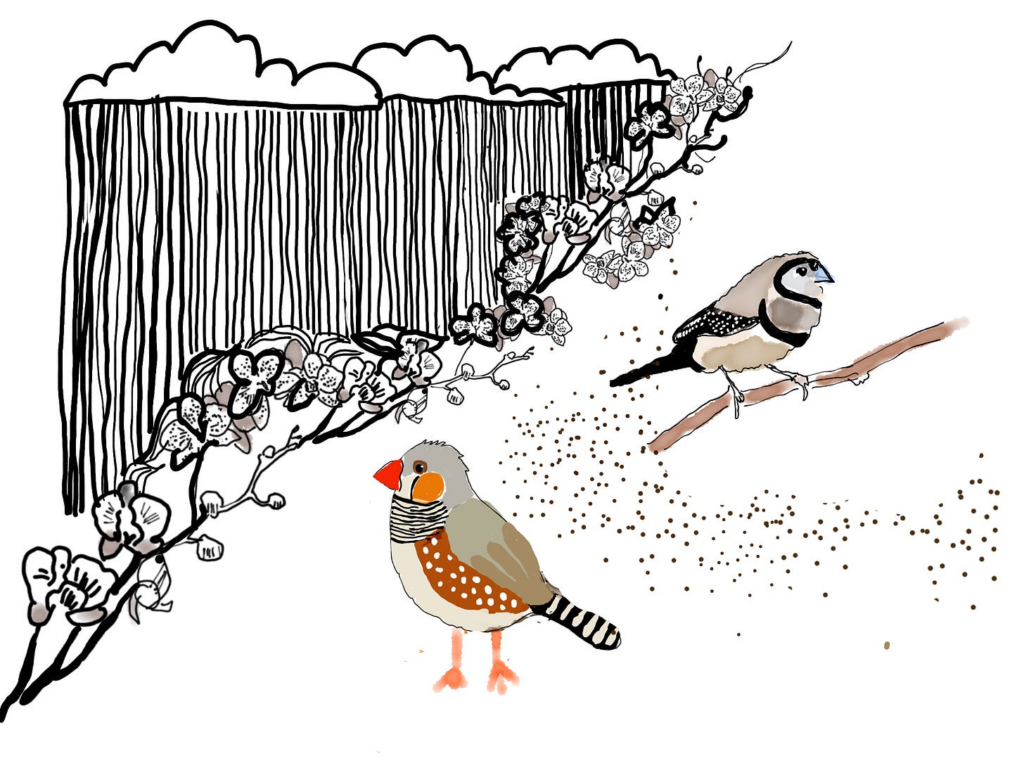
Charles Darwin used to say he learned the most from the creatures that didn’t quite fit, the pigeons with weird beaks, the finches with unexpected markings, the orchids that bent their stems in strange, impossible ways. Those oddities weren’t distractions, he said, they were the story of evolution. The exceptions, as the saying goes, reveal the logic of the whole system.
I always thought that sounded beautiful in theory, but it didn’t really land for me until I started thinking about it in terms of data. Outliers, what I’ve started calling “lost birds”, a term I learned from , are the points that wander off the neat migration paths the rest of us follow.
Lost birds: Those outliers in the data who tell more of the story than the inliers.
They’re not broken; they’re just moving to a different beat. And it’s in paying attention to them, much like Darwin did, that the real patterns start to show themselves.
And in the conversation around the broader aspects of innovation, especially in schools, those who do not follow the linear path, are the ones who need our focus.
My oldest son is one of them. Due to a rare medical condition, he spent most of high school unable to show up in the ways the system measured: the seat-time, the bell schedule, the endless small performances of compliance.
On a spreadsheet, he was a warning flag, low attendance, interrupted coursework, a pattern that would normally predict disengagement or struggle. More here:
But that was only the story “the system” knew how to read.
What it missed was his curiosity, his integrity, his way of tracking ideas like they were living things worth tending.

And now, in college, where the structures are lighter, the pathways more flexible and more driven by his keen interests, he is thriving. He is engaged, thoughtful, generous with his questions. All the traits that were invisible, or even liabilities, in some high schools, have become indicators of a mind deeply alive.
Darwin was right: the peculiar forms teach us the most.
Lost birds aren’t always outliers to correct; they’re frequently signals that our models are too narrow. They show us what humans are capable of when the environment begins to fit the organism, rather than the other way around.
This content is courtesy of, and owned and copyrighted by, https://schoolofthought.substack.com and its author. This content is made available by use of the public RSS feed offered by the host site and is used for educational purposes only. If you are the author or represent the host site and would like this content removed now and in the future, please contact USSANews.com using the email address in the Contact page found in the website menu.