
🔴 Website 👉 https://u-s-news.com/
Telegram 👉 https://t.me/usnewscom_channel
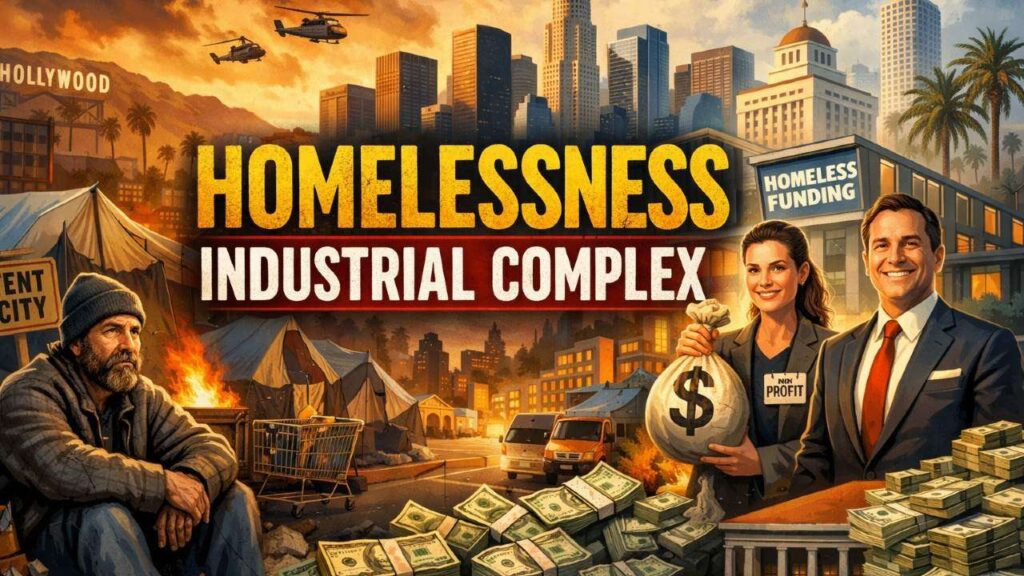
The city’s purchase of the former Ramada Inn near Venice Beach was supposed to be a swift fix for homelessness, but it has become a symbol of wasted money and broken process; years after the December 2020 acquisition, the 32-room site sat vacant while costs ballooned and red tape stacked up. This article walks through the timeline, the finance math, the bureaucratic bottlenecks, and the political fallout, arguing that good intentions can’t excuse poor execution. The case raises clear questions about accountability and whether public dollars are being steered toward results or endless delays.
The city bought the hotel in late 2020 for $8 million as part of pandemic-era efforts intended to shelter people quickly, but the fast purchase turned into a slow-motion problem. The property briefly housed residents before being emptied in October 2022 to start conversion into permanent supportive housing under nonprofit PATH Ventures. Years passed with permits stalled and money missing, and only in October 2025 did construction finally begin.
Permitting took nearly 20 months and financing gaps opened up while the building sat idle, a pattern that pushed costs much higher than anyone anticipated. By the time work started, the total tab had risen to roughly $20 million for a 32-unit site. That math comes out to about $625,000 per room, a number that makes taxpayers and policy watchers wince when homes across the country can be bought for a fraction of that price.
Councilwoman Traci Park did not hold back in describing the situation. “Taxpayers spent millions to buy that building and years later it’s still sitting empty. That’s the definition of a boondoggle,” she said. She also warned that the core mistake was buying without answers: “We bought buildings before we had approvals, before we had a plan, and before we had the services in place. That’s why this project has been sitting there.”
This project is not an outlier in Los Angeles. A City Administrative Officer report shows the city and Housing Authority purchased 45 sites meant to yield 3,098 beds or units, but more than 1,000 of those units remain offline. Many are tangled in rehab, conversion, or funding delays, illustrating a systemic problem where acquisition outpaced readiness to deliver housing.
The cost-per-unit figure is not just a headline-grabbing statistic; it is a measurement of efficiency and priorities. In practical terms, the money spent on a single converted room could buy a modest home in many markets or fund multiple housing vouchers with services. When public spending reaches these levels without producing occupied units, voters have reason to demand clear answers and better stewardship.
Location multiplies the sting. The hotel sits near Venice Beach, an area where housing costs and public attention are both high, making the vacant rooms an especially sharp symbol of mismanagement. Residents see tents and encampments nearby while a publicly owned building remains shuttered, and that contrast fuels anger across political lines about how public resources are used.
Those who study project execution point to a familiar list of failures: rushed buyouts, incomplete service plans, and overly complex government processes that private developers usually navigate faster. The result is predictable—delays, extra costs, and buildings that sit empty while people continue to need help. If the goal is shelter and stability, then government should be set up to get units online quickly, not to win awards for acquisition totals.
Now that construction is underway with an expected finish in December 2026, there is hope the site will finally deliver housing and wraparound services. But the timeline and the spending leave a legacy that cannot be undone: years of vacancy and an enormous per-room price tag that will be hard to justify politically. Taxpayers deserve projects that move from purchase to occupancy without years of paperwork in between.
The broader lesson is obvious and blunt: compassion must be matched by competence. Policymakers, especially those who favor large public investments, need to enforce strict accountability, clear milestones, and financial oversight before money changes hands. Otherwise well-intentioned programs will keep producing headlines about empty buildings and wasted cash while the vulnerable population waits for real help.