

🔴 Website 👉 https://u-s-news.com/
Telegram 👉 https://t.me/usnewscom_channel
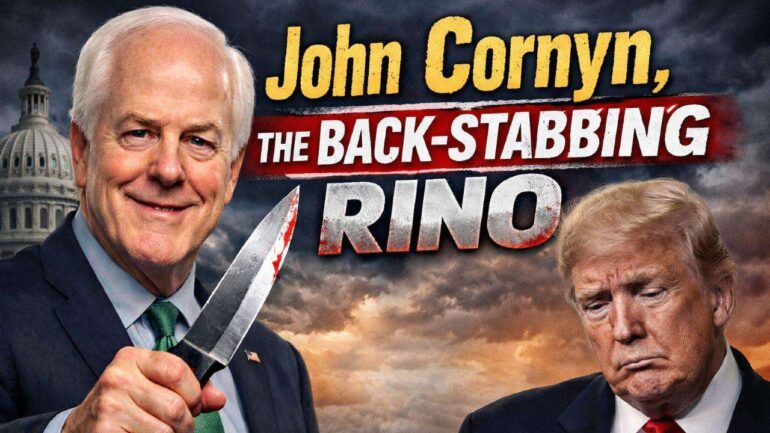
This article lays out a clear, plainspoken account of why many Republican voters see Senator John Cornyn as out of step with the Trump era and the MAGA movement, highlighting concrete votes and public moments that drove the wedge. It hits the big flashpoints: a post-Uvalde gun deal, support for big spending and foreign aid, hedge-your-bets loyalty to Senate leadership, and mixed signals on border enforcement. The piece also notes the argument from Cornyn’s backers that his choices reflect Senate realities and pragmatic governance.
Here are key clips and context pulled from the original coverage.
The 2022 bipartisan gun package after Uvalde became a flashpoint for anger among conservatives who expected lawmakers to protect Second Amendment rights first. Cornyn’s role in negotiating that deal looked like a compromise with the establishment instead of a stand with voters who want fewer restrictions. For many MAGA voters, that moment signaled a willingness to trade principle for political cover.
On spending and foreign aid, Cornyn often sided with large packages that rang hollow to those worried about fiscal discipline and sovereignty. Voting for big overseas aid and broad appropriations has been portrayed as ignoring the domestic priorities Trump voters put front and center. To rank-and-file conservatives, that pattern reads like budget betrayal wrapped in bipartisan optics.
Inside the Senate, Cornyn has at times defended the leadership’s tactics and deal-making, choosing institutional stability over grassroots outrage. That posture makes sense to long-term senators but feels tone deaf to a base demanding disruption and blunt action. Where MAGA leaders pushed for aggressive change, Cornyn frequently opted for the safer, inside-the-rooms approach.
There were moments when Cornyn publicly criticized Trump or declined to fully back him during heated fights, and those pauses mattered. In primary politics, loyalty signals are currency, and hesitation gets noticed fast. Voters who stood with Trump through thick and thin expect the same level of commitment from their senators.

Border policy is another sore point that hits home in Texas. Critics say Cornyn’s record shows softer positions on immigration enforcement than the hardline plan many Trump supporters favor. In a state that deals with the consequences daily, any perceived reluctance on tough border measures feeds frustration and fuels primary challenges.
The root of much of this pushback is a larger narrative about age and style. Cornyn is often cast as part of the older establishment wing of the GOP, a cohort that values compromise and continuity over the confrontational, outsider energy that propelled Trump. That contrast matters to activists who want wholesale change in Washington and see comfort with the status quo as disqualification.
Supporters counter that Cornyn’s record is about practical lawmaking in a chamber designed to frustrate big ambitions. They point out that the Senate’s rules force tradeoffs, and that governance sometimes requires deals that fall short of ideal policy goals. That defense is familiar and plausible, but it does not always satisfy voters who measure results by alignment with Trump-era priorities.
The political reality is that these episodes create leverage for challengers and questions for primary voters, especially in a state like Texas where the right flank is organized and vocal. Cornyn’s choices are now part of the conversation Republican voters will use when deciding whom to trust with conservative priorities. Whatever the motives, those decisions have reshaped how many conservatives view his leadership and will affect how activists approach him at the ballot box.