
🔴 Website 👉 https://u-s-news.com/
Telegram 👉 https://t.me/usnewscom_channel
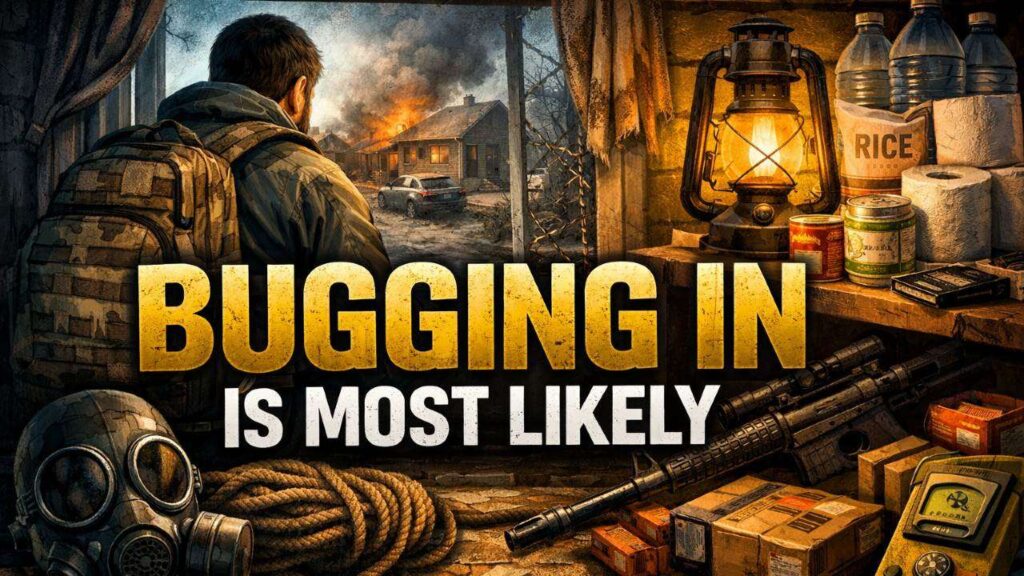
This article explains why staying put and fully preparing your home is usually the smarter survival choice, not a panic-driven run for the hills. It covers the tactical, logistical, and social advantages of defending and sustaining your household, then walks through practical steps for water, food, security, power, medical care, and long-term resilience. You’ll get a clear case for making your home the hub of preparedness and why leaving should be a last resort.
When crisis headlines spike, the instinct to grab a bag and go is strong, but that impulse ignores hard realities. Staying means using the resources already under your roof and avoiding the hazards of mass movement. History shows that people who prepared their homes generally weathered storms, outages, and unrest far better than those who fled too early.
Leaving your house hands over tactical and legal advantages you almost always want to keep. Familiarity with every corner, knowledge of weak points, and local relationships give a defender time and options that strangers on the road do not enjoy. Most laws and common-sense rules make defending your property simpler when you’re inside it rather than on the move. That edge matters when resources are scarce and decisions have to be fast.
Travel during a crisis is unpredictable and often deadly inefficient. Roads clog, gas stations run dry, and bottlenecks form at bridges and exits within hours of warnings. Families, pets, and elderly members slow movement and increase exposure. Meanwhile, an empty house becomes a target; staying declines the opportunity for others to exploit your absence.
Water is foundational and deserves priority in any plan. Aim to store multiple gallons per person and add purification systems—filters, tablets, gravity setups—to keep supplies safe and renewable. Rain capture, large tanks, and rotated stock turn a temporary shortage into a manageable situation. If municipal supply lines quit, a prepared home functions like its own small-scale utility.
Food resilience is more than canned goods; it’s a system that lasts. Stock long-shelf staples and rotate them through daily meals so nothing spoils unused. Backup cooking methods—wood stoves, propane, solar ovens—let you prepare hot, nutritious food without grid power. Gardening, seed storage, and basic animal husbandry extend that pantry into sustained self-sufficiency.
>
Fortifying your home doesn’t require a contractor. Simple door braces, window reinforcement, and motion-sensor lighting create deterrents that avoid confrontation. Low-tech alarms, escape routing, and tools for quick barricades give you time to respond thoughtfully. Defensive gear should be responsibly stored, routinely inspected, and integrated into a practiced home plan.
Power independence keeps routines and morale intact. Generators tied safely to your electrical system, solar modules, and battery banks supply essentials like refrigeration, medical devices, and communications. Flashlights, headlamps, and small, efficient lighting solutions reduce dependency on fuel. Having multiple redundant sources prevents a single failure from turning into a crisis.


Medical readiness is about more than bandages: trauma kits, prescription backfills, and a basic pharmacy can keep a household stable when hospitals are overwhelmed. Learning first aid, wound management, and simple triage skills turns supplies into capability. Sanitation plans—portable toilets, trash protocols, and hygiene supplies—limit disease spread when municipal services falter.
True preparedness is a practiced habit, not a one-time purchase. Run no-power weekends to stress-test systems, build community ties with neighbors who share practical skills, and trade labor and knowledge. Skills like food preservation, mechanical fixes, and basic medical care are as valuable as any stockpile. A network of capable nearby households multiplies everyone’s odds of getting through extended disruption.
Know when to leave: the plan to stay is primary, but identifiable conditions should trigger evacuation. Uncontrollable fire, structural collapse, or a direct, overwhelming threat to life are valid reasons to move. Prepare that secondary plan in advance: mapped routes, fuel caches, and agreed-upon destinations reduce panic if leaving becomes unavoidable.
Start small and be consistent. Tackle water this month, food next, then security and power, adding one capability at a time until your home can support weeks and then months. Regular checks and drills reveal weak points before they become disasters. The result is a household that’s calm, capable, and ready to face disruption without surrendering to fear.