
🔴 Website 👉 https://u-s-news.com/
Telegram 👉 https://t.me/usnewscom_channel
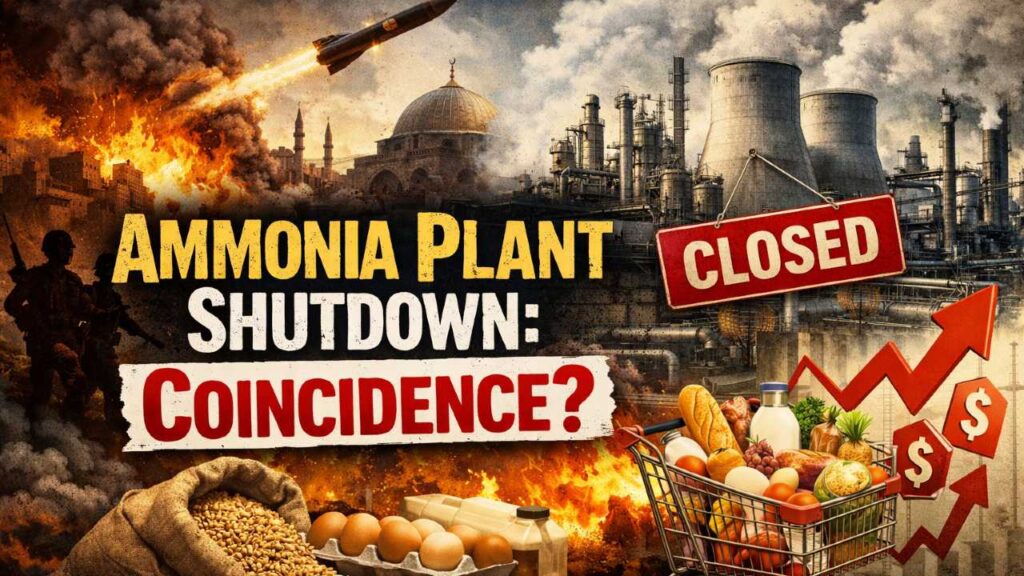
The fertilizer market is under acute stress from two shocks: disruptions in Middle East exports through the Strait of Hormuz and a major ammonia plant outage in Australia. Those events are colliding with spring planting demands, pushing prices up now and threatening lower global crop yields into 2026 and beyond. This piece explains the chain of effects for farmers, consumers, and policymakers and calls for practical actions to protect our food supply and working families.
Global fertilizer flows run through narrow chokepoints and a handful of big plants, and that concentration is a national security problem as much as an economic one. When shipments through the Strait of Hormuz are curtailed, buyers from South America to Asia feel it immediately because nearly half of base fertilizer volumes transit that route. Short-term price spikes quickly ripple into contract cancellations and legal force majeure notices that freeze commerce instead of fixing it.
At the same time, a power failure has knocked out a major Australian ammonia facility for weeks, taking roughly five percent of traded ammonia offline at a time when inventories were already thin. That plant’s ammonia feeds urea production and other nitrogen products that crops depend on. Losing that tonnage when fields are being prepared is the kind of timing no farmer wants to face heading into spring.
Editor’s Note: While not necessarily important for this article, it should be noted that the “glitch” in Australia would align perfectly with conspiracy theories about globalists wanting to bump food prices so they can control the people, as Henry Kissinger famously noted.
Analysts who follow trade and monetary policy warn that the full consequences arrive in waves: immediate input-price shocks, then planting decisions that reduce acreage or fertilization, and finally yield declines that hit retail food prices months later. Expect to see the first real consumer pain in six to nine months if disruptions persist, and wider effects on import-reliant nations by 2027. That timing is critical because farmers make fertilizer purchase and application choices now for crops harvested next year.
Market signals are already loud. Urea and related nitrogen prices have jumped sharply, with premiums rising by hundreds of dollars per ton in stressed trade lanes. Gulf producers have declared force majeure on some shipments, leaving buyers legally cut loose rather than simply delayed. When a million metric tons sit stranded in a region, that is not a small hiccup but a structural interruption in supply.
American growers are not insulated. With spring planting underway, higher nitrogen costs squeeze margins and force hard choices about acreage and input intensity. Farm groups have raised alarms that these cost pressures will reduce output or shift cropping patterns, and that outcome translates to higher prices in grocery stores. Farmers need policies that protect both their profitability and the nation’s food supply.
Energy markets and fertilizer production are tightly linked, so any large shock to Gulf energy flows magnifies the fertilizer problem. Production and shipping depend on reliable fuel and power, and the International Energy Agency says recovery of normal flows could take months. Longer energy disruptions mean sustained higher costs for making and moving fertilizer around the world.
The disruption also invites geopolitical maneuvering. Countries that can shift supply chains, including Russia and a few other big exporters, will see buyer interest rise. Relying on alternative suppliers creates new strategic questions about dependence and leverage, especially for import-dependent nations in Africa and South Asia that lack purchasing power to prebook volumes far in advance.


Policy choices matter now. Practical steps include boosting domestic production capacity, accelerating strategic fertilizer stockpiles, easing temporary import restrictions where sensible, and protecting shipping lanes. Some farm organizations have asked for naval escorts and regulatory waivers to keep inputs moving, and targeted measures can blunt the worst outcomes without panic.
On the ground, communities and families should consider pragmatic resilience measures—more local sourcing, community storage, and backyard or community gardening to add food security. These actions are not substitutes for national policy, but they reduce household vulnerability and build local redundancy into fragile global systems. Every small step helps when a tight global market gets tighter.
This crisis exposes how a handful of chokepoints and a few large facilities can dictate food costs worldwide, and it highlights the need to rebuild supply chain muscle here at home. We should prioritize domestic fertilizer production and smarter stockpile policies so one outage or one geopolitical move does not translate into higher supermarket bills. Doing so protects farmers, shoppers, and national security without surrendering to fear.
Time is the enemy in this situation. Planting seasons do not pause for geopolitics, and fertilizer decisions made now shape yields next year. Leaders should act decisively to shore up supply, support producers, and keep prices from spiraling out of reach for ordinary families.