
🔴 Website 👉 https://u-s-news.com/
Telegram 👉 https://t.me/usnewscom_channel
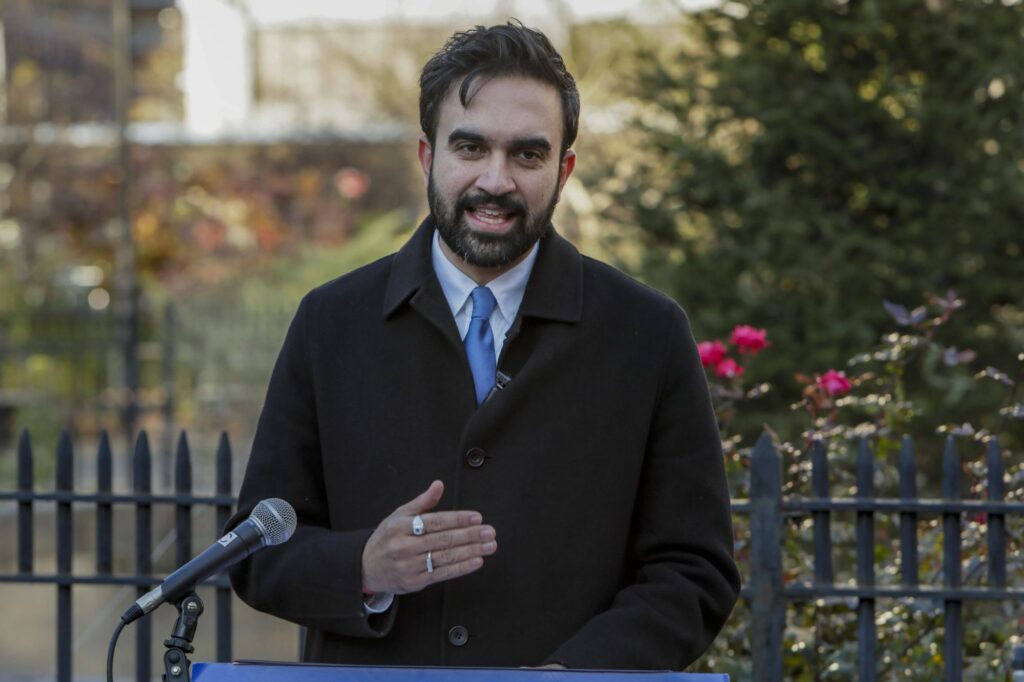
Mayor-elect Zohran Mamdani on Thursday said he will end the clearance of homeless encampments in New York City.
The inevitable result of this decision will be more crime and disorder on the streets — and more deaths among the homeless themselves.
Mamdani claims that encampment clearances are cruel because they aren’t “connecting homeless New Yorkers to the housing they so desperately need.”
But such complaints ring hollow when New York City has the most expansive “right to shelter” laws in the nation.
Those sleeping outside have the option to get inside. They just don’t want to take it.
A major reason the homeless refuse shelter is because shelters have rules, including rules forbidding alcohol and drug use.
The largest national survey of the unsheltered homeless found that about three-quarters had a substantial substance abuse problem, far higher than the rate of the sheltered homeless.
The more the homeless are outside, the more they will be abusing drugs and alcohol.
Other cities saw dire consequences when they stopped enforcing rules against homeless camping.
Austin, Texas, saw a nearly 50% increase in unsheltered homelessness after it voted to decriminalize street camping and sleeping in 2019.
Although some claimed this was the result of the homeless coming out of hiding, that wouldn’t explain why the number of the homeless in shelters dropped by 20%.
When the homeless are given an option to sleep outdoors, more of them will take it.
Clearing encampments works. In 2006 Los Angeles Police Department Commissioner Willie Bratton, a former and future New York City police commissioner, began the “Safer Cities Initiative” to clear LA’s notorious Skid Row.
Within one year homeless overdose deaths in the area were down by 50% and homicides by even more. A later study found substantial drops in crime in the area.
Even very liberal cities faced with spreading encampments, crime and disorder are moving in the opposite direction of Mamdani.
Austin voters in 2021 forced their city to ban homeless camping once again, and after the US Supreme Court in the Grants Pass case in 2022 declared that criminal penalties for street sleeping and camping were constitutional, states and cities in the Western United States increased enforcement.
Even California Gov. Gavin Newsom began advocating and personally participating in encampment clearances.
Mamdani claims clearances won’t be necessary because the city will create more permanent housing for the homeless. But building sufficient new housing could take years, if not decades.
Get opinions and commentary from our columnists
Subscribe to our daily Post Opinion newsletter!
Thanks for signing up!


His promised refusal to clear camps will leave him few options on how to deal with the thousands of homeless who will be living — and dying — on the streets in the meantime.
Even if more permanent housing is made available, there is no reason people sleeping on the streets should be given priority for it over those in shelters who have been following the law.
If Mamdani promises permanent housing to those on the streets first, that will pull even more people out of the shelters.
Although Mamdani’s Democratic Socialists of America like to rail against “privatization,” homeless encampments effectively privatize public space.
Sidewalks and parks that are meant for the use and enjoyment of all become the exclusive domains of the homeless campers who just happened to choose that spot, even if it was formerly used by picnickers or playing children.
If New York taxpayers are forced to support a right to shelter, New York City’s homeless residents should have a duty to use it.
But Mamdani would rather turn New York’s limited public spaces over campers who will both cause and endure more crime, drug abuse and death.
The city’s residents, homeless and non-homeless alike, will all suffer.
Judge Glock is the director of research and a senior fellow at the Manhattan Institute.