

🔴 Website 👉 https://u-s-news.com/
Telegram 👉 https://t.me/usnewscom_channel
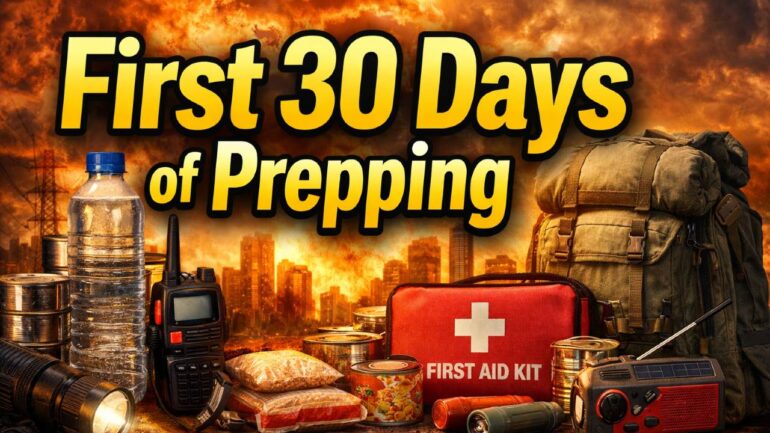
This piece shows how a household can become meaningfully prepared in the first 30 days by focusing on a few practical priorities. It covers basic safety, water, food, lighting and communication, with clear, low-cost steps anyone can take to increase resilience without panic or extreme spending.
We live with an easy assumption: stores stay full, power never quits, and help is always nearby. That assumption hides a harsh truth — a short disruption can turn daily life into a scramble in just a few days. Saying that out loud isn’t meant to scare you; it’s meant to motivate a realistic plan that won’t consume your time or money.
Starting is the single hardest part for most people because they picture expensive gear or complicated skills. Toss that image. Real preparedness is gradual and sensible, built with things you already know how to use and buy. The goal is steady progress, not perfection.
Begin the first steps with basic household safety checks. Make sure smoke alarms and carbon monoxide detectors work and swap batteries if they’re weak. Keep a functioning fire extinguisher in the kitchen and agree on quick evacuation routes and a meeting spot outside the home so everyone knows what to do if a fast exit becomes necessary.
Water should come first on your shopping list because people survive far longer without food than without clean water. Aim to store a conservative, practical amount — a gallon per person per day is a useful planning number — and consider a short-term target you can reach in weeks, not months. Supplement stored bottles with refillable containers and a simple filter or purification tablets so you’re not dependent on one method if something goes wrong.
Food planning doesn’t mean building a far-away pantry overnight. Focus on familiar, shelf-stable staples that rotate easily with your regular grocery runs. Canned proteins, pasta, rice, peanut butter, and soups keep well and are usually eaten by most families, which reduces waste and keeps your supply useful. If you want longer-term options later, freeze-dried meals are available, but they aren’t necessary to get started.
>

Lighting and basic power will change how an outage feels at your house. A few good flashlights, extra batteries, and battery-powered lanterns will keep a house functional and calmer when the lights go out. Small solar chargers or a compact power station can keep phones and radios alive, which helps you stay informed and connected without relying on a gas generator or high cost gear.
Communication plans are simple but crucial because cell networks can fail or become overloaded. A battery-powered or hand-crank emergency radio provides weather updates and official instructions when other channels are down. Also set a clear method for family members to reconnect or a prearranged meeting place so everyone knows what to do if they get separated.
Medical readiness is an underrated pillar of early prepping. Put together a first aid kit with bandages, antiseptic, pain relief, and any prescriptions you need, and keep it easy to access. Learning a few basic first aid skills — how to stop bleeding, treat burns, or handle sprains — will pay off more than owning a pile of unused medical supplies.
Where people often go wrong is thinking they must do everything at once. Spread purchases over weeks, rotate what you store with daily groceries, and check expiration dates as you go. This approach reduces panic buying, helps you learn what your family actually uses, and keeps your budget intact.
Progress matters because every small step builds practical security and takes the edge off anxiety. Add one bottle of water each week, one extra can of food each shop, one flashlight and a radio, and you’ll be surprised how quickly a basic, reliable kit appears. The point is not to live in fear but to know you can handle short disruptions without losing your footing.