
🔴 Website 👉 https://u-s-news.com/
Telegram 👉 https://t.me/usnewscom_channel
New York’s State Energy Planning Board is bowing a little to reality, admitting carbon-based fuels are vital for the foreseeable future and pushing to delay their phase-out.
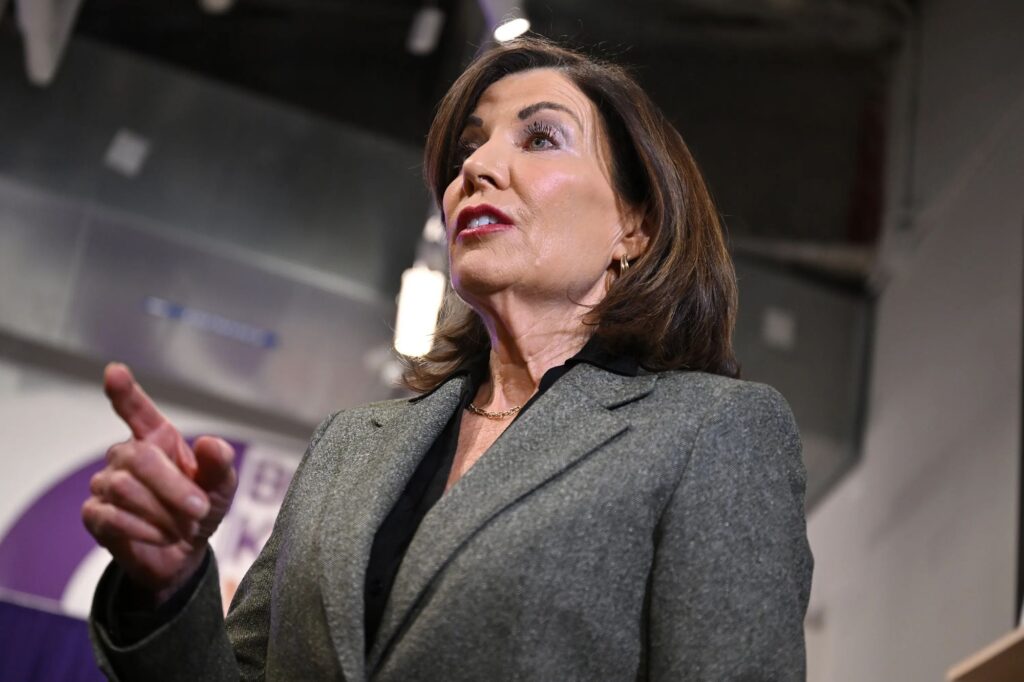
Yet the 15-year energy plan the board just adopted, with Gov. Kathy Hochul’s blessing, still imposes heavy green-agenda costs on New Yorkers.
This blueprint “recognizes a simple truth,” says the gov: “Energy policy is economic policy. Our ability to attract the jobs of the future depends on reliable, affordable, increasingly clean power.”
The plan, she claims, “embraces a much-needed all-of-the-above strategy.”
Yet it, and she, still deny many truths.
First, this is a “some-of-the-above-but-no-fracking” strategy, since the plan doesn’t even mention that key method of extracting fuel from the state’s gas-rich Southern Tier.
And much of what it leaves in should be scrapped — such as demanding six gigawatts of solar energy, several wind-power projects and Hochul’s $1 billion Sustainable Future Program to decarbonize buildings and otherwise burn cash in the name of fighting climate change.
All that will hit New Yorkers’ pocketbooks hard, without providing reliable new sources of energy.
Nor does the plan change any laws, which dictate deadlines for curbing emissions and switching to renewable energy for electricity; the board’s implicit attempt to reset those dates will surely meet with lawsuits from elitist climate warriors who couldn’t give a fig about costs or blackout risks.
Get opinions and commentary from our columnists
Subscribe to our daily Post Opinion newsletter!
Thanks for signing up!


Even though nothing New York does will shift the global climate one iota.
Nor should anyone trust Hochul to stick with this slight retreat from insanity: Her 2024 pause of the hated “congestion” tolls ended soon after that year’s elections.
This new “pause” comes with utility bills soaring (as electric rates in New York are already 58% higher than the US average) and blackouts looming in advance of her own run for reelection in November — a campaign she means to focus on “affordability.”
Hochul doesn’t dare inflict too much pain on the voters before they go to the polls.
Afterward, though, expect affordability to fall right back off the agenda.