

🔴 Website 👉 https://u-s-news.com/
Telegram 👉 https://t.me/usnewscom_channel
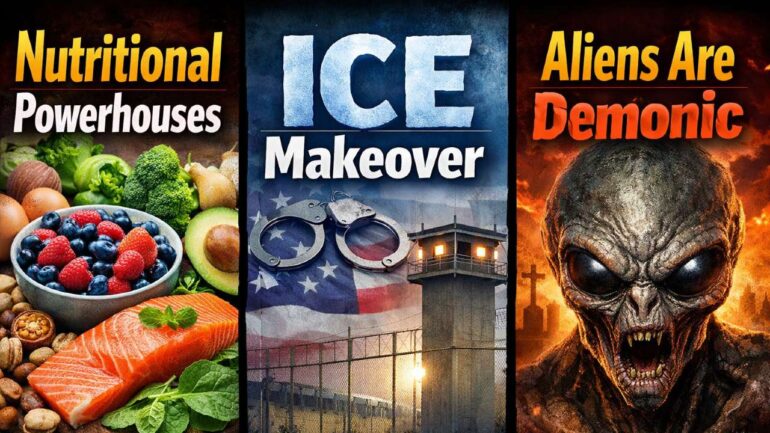
This piece pulls three sharp conversations into one place: a rethink of foods science once vilified, a conservative take on deploying ICE at airports, and a sober look at religious objections to extraterrestrial life. Each strand is treated plainly, with clear arguments, practical implications, and a call for readers to think for themselves. The aim is to present the issues so you can decide which side of the debate makes more sense.
The first topic is “Ten Nutritional Powerhouses the ‘Science’ Used to Claim Were Bad for Us” and it captures how nutritional advice can swing wildly over time. Foods once demonized are now embraced as research improves and data accumulate, and that reversal matter-of-factly exposes the limits of headline-driven science. Recognizing that nuance helps people make smarter choices without panic when a new study hits the news.
Those shifts often come from better study designs and longer follow-ups rather than dramatic breakthroughs, so the public should pay more attention to consistent, long-term trends. Industry noise and sensational headlines have muddied the waters for decades, which is why independent replication and context are everything. Practical eating advice ends up being common sense: focus on whole foods, reasonable portions, and sources you can trust rather than the latest hot take.
Alongside the nutrition story is the hard-nosed proposal titled “Sending ICE to Airports Is a Huge Opportunity to Make ICE Look Good,” which leans into law and order as sensible public policy. From a Republican standpoint this is a chance to show competence, restore predictable enforcement, and reassure travelers that rules are enforced at critical points. Deploying resources where the flow is concentrated makes strategic sense and offers immediate political and safety benefits.
Putting ICE at airports could be framed as protecting both national security and everyday Americans who expect safe travel, and that message lands with voters who want visible action. Operationally, airports are chokepoints where verification and processing can be done efficiently, reducing burden on border communities. Politically, a sharp performance at airports lets conservatives make the case that enforcement can be both humane and decisive.
That approach also forces clarity from opponents who prefer softer rhetoric but offer no clear plan to stop illegal crossings or cartel smuggling. Republicans should press the contrast: law-abiding procedures versus chaotic, unenforced borders, and emphasize results over rhetoric. When policy produces order and reliability, it becomes harder for critics to dismiss enforcement as merely symbolic.
The third strand carries the exact title “Why Bible-Believing Christians Must Not Accept the Existence of Extraterrestrials” and it raises theological questions that some find urgent and others find speculative. The core concern for many believers is how extraterrestrial life, if confirmed, would intersect with doctrines about humanity, creation, and salvation. That conversation sits at the intersection of faith, doctrine, and curiosity, and it is rightly taken seriously by those who hold scripture as authoritative.
Exploring those objections calmly reveals several consistent themes: the uniqueness of human beings in scripture, worries about competing narratives of origin, and anxiety over spiritual implications that fall outside established doctrine. Many theologians and pastors encourage careful reflection rather than knee-jerk acceptance when extraordinary claims arise. At the same time, honest engagement with evidence and scholarly analysis helps faith communities avoid both gullibility and unnecessary alarm.
All three topics expose how public debate is shaped by institutions, incentives, and narratives, and that context matters more than eye-catching headlines. Whether we talk about food, enforcement, or faith, the best responses combine humility, evidence, and principled clarity. Readers who demand those standards will be better equipped to separate serious proposals from mere noise and to hold leaders accountable for results.
Critical thinking is the practical skill this moment needs: ask what the evidence really shows, who benefits from a given policy or claim, and what trade-offs are being ignored. Engage sources that explain methods and motives rather than just repeating bold assertions, and encourage leaders on all sides to be specific and measurable about outcomes. That approach makes for healthier debate, smarter policy, and a public square where ideas earn trust through demonstration rather than slogans.