
🔴 Website 👉 https://u-s-news.com/
Telegram 👉 https://t.me/usnewscom_channel
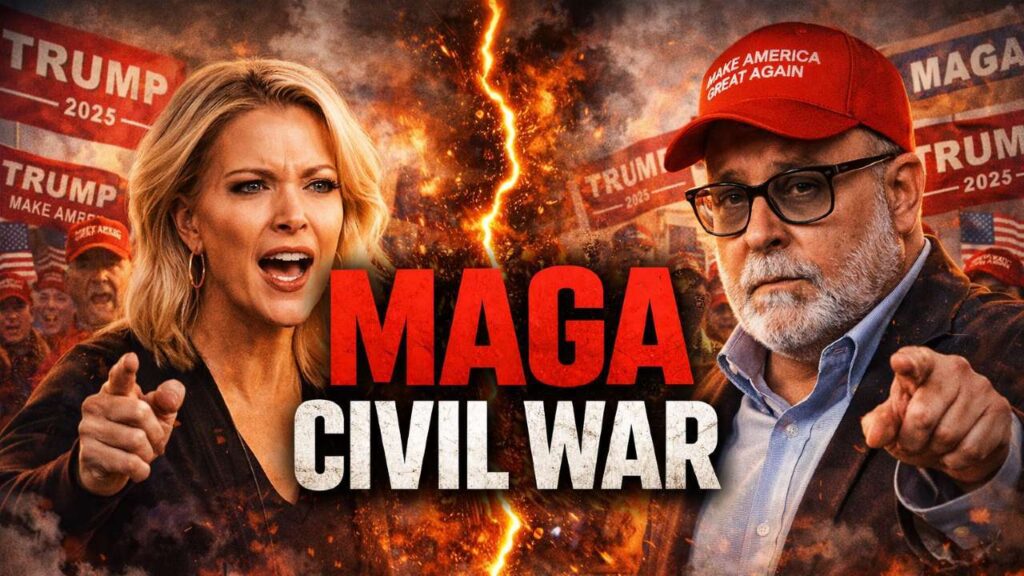
This piece cuts through the noise around the intra-MAGA fight and explains why the public chaos won’t sway the midterm outcome. I’ll argue that factional dustups matter less than turnout, message discipline, and concrete policy wins. The case is simple: internal drama reads loud but votes are quieter, and the real power is in the grassroots ground game and local contests.
The conservative movement looks fractious on the surface, but that surface can be loud without being decisive. The reason is basic: activists shout, donors fret, and pundits sell cycles, but the average Republican voter rarely changes course over factional soap operas. Most voters care about pocketbook issues, public safety, and border control far more than intra-movement theatrics.
When people debate whether MAGA will split or hold, they often forget how stable voter identity is in a polarized era. Party loyalty and policy preference anchor many ballots, especially in swing states where local factors dominate. A few high-profile defections grab headlines, but the bulk of turnout comes from steady voters who show up for clear priorities, not Twitter feuds.
The midterms hinge on turnout and targeted persuasion more than factional purity tests. Local candidates who speak plainly about jobs, crime, and schools will move ballots regardless of which wing of the movement dominates cable panels. Campaigns that obsess over internal optics risk losing focus on door-knocking, phone banking, and county-level decisions that actually decide elections.
Don’t buy the narrative that internal fights automatically depress Republican turnout across the board. Most conservatives are practical; they weigh immediate issues against long-term alignment and then pick the candidate who best delivers on promises. That practicality is an advantage for a movement with a coherent policy platform and a strong, motivated base ready to show up.
The media amplifies fractures because drama generates clicks, but amplification isn’t impact. Reporters and late-night hosts can manufacture the impression of a movement in free fall while the campaign teams quietly execute plans that win seats. In short, the echo chamber can scream, and the voting booth can whisper a very different answer.


Strategy matters more than purity debates. Candidates who keep their message tight on the economy, border security, and public safety give voters a clear reason to vote. Invest in precinct-level operations, ensure candidate discipline, and present a positive contrast with the left’s failed experiments; that combination beats factional theater every time.
Grassroots energy will decide more races than argument threads. Volunteer recruitment, early voting outreach, and local endorsements move the needle where it counts, and those are areas conservatives can still dominate if they focus. The smart play is to translate energy into ballots rather than headlines, because ballots are the currency of political power.
So while the squabbles make great TV, the ground game decides winners. Keep blunt messaging, protect turnout, and put resources into the places that tip control. Let the voters judge, and make sure conservatives give them a solid, disciplined case to act on.