

🔴 Website 👉 https://u-s-news.com/
Telegram 👉 https://t.me/usnewscom_channel
California is denying popular and effective weight loss drugs to poor people — likely to spite President Donald Trump, who has tried to make them cheaper.
As a result, only those who can afford to pay for anti-obesity drugs out of pocket will be able to use them. So much for “affordability.”
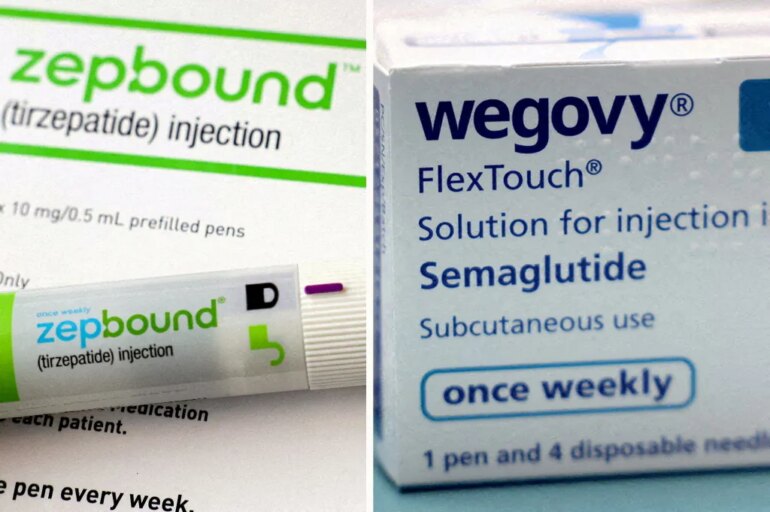
The issue involves GLP-1 medicines, like Zepbound and Wegovy, which represent one of the most significant medical advances in the treatment of obesity in decades.
For millions of Americans, these medications, when combined with diet and exercise, improve health outcomes, reduce excess weight, and lower the risk of serious chronic conditions such as heart disease, diabetes, stroke, and certain cancers.
Lifestyle changes such as healthy diets, exercise, and better sleep are all proven methods of reducing obesity and staying healthy. But for some, lifestyle changes alone aren’t enough. In those cases, GLP-1 medicines provide people with another tool to treat a chronic disease that, if left unmanaged, drives long-term health complications and costs.
Providing coverage for anti-obesity medication gives people of all means another way to stay healthy by tacking obesity.
That makes California’s decision to end Medi-Cal coverage of GLP-1s for obesity a troubling setback for Golden State residents.
This move robs working and low-income families of an effective and affordable means to improve their well-being and avoid other infirmities.
The result is a two-tiered system of care. Patients with financial means can access these medications through private insurance or out-of-pocket payment.

Meanwhile, many lower-income Californians will lose coverage entirely. Those at highest risk for obesity-related complications are left with fewer options to prevent them
It is likely not coincidental that California’s decision directly contradicts the efforts of President Trump. His administration recently partnered with GLP-1 manufacturers to expand access to seniors with Medicare and low-income Americans on Medicaid (of which Medi-Cal is the local version).
As the Trump administration takes a step forward by expanding the safety net, states that take away coverage are taking two steps back. Is really worth endangering the health of Californians just to spurn the Trump administration again?
The reasoning given for ending GLP-1 coverage is due to budgetary concerns. But focusing only on the near-term price tag ignores the broader fiscal reality. Obesity already drives billions in Medicaid spending on diabetes, heart disease, stroke, kidney failure, and disability. Treating obesity early helps prevent those entirely foreseeable and predictable costs.
Sign up for the California Morning Report newsletter
California’s top news, sports and entertainment delivered to your inbox every day.
Thanks for signing up!

The long-term cost to state health systems of treating obesity-related diseases, including expensive hospitalizations, treatments, and surgeries, is considerably more than the cost of covering the medications that could prevent them.
Those states that eliminate coverage now may face higher Medicaid spending later, not less. In fact, the Joint Economic Committee has estimated that people with severe obesity generate $9,591 a year in extra health care costs. Providing coverage for proven weight-loss medicines now can better control Medicaid costs later.
There is also a public safety concern. When patients lose coverage for FDA-approved medicines, some may turn to knockoff versions of these therapies. The FDA has warned that “compounded drugs pose a higher risk to patients than FDA-approved drugs.” This exposes patients to serious safety risks from illegal actors, many of whom are from China and other foreign countries, who seek to profit off Americans by taking advantage of the high demand to sell substandard and fake versions.
As the recent controversy surrounding HIMS revealed, copycat drug makers are eager to exploit patients who are struggling with affordability challenges. Medicaid coverage would prevent this unnecessary risk.
We all need to recognize that obesity is a chronic disease, not a personal failing. Medicaid programs routinely cover treatments for other chronic diseases because prevention and disease management are sound public policy. Applying a different standard to obesity sends the wrong message and undermines efforts to treat it as the serious health condition it is.
Medicaid was designed to ensure vulnerable Americans have access to medically necessary care. Denying coverage for effective obesity treatment undermines that mission. Policymakers can either invest in prevention now or pay for complications later.
Restricting access to GLP-1 medicines may balance a spreadsheet in the short term, but it shifts greater costs onto patients and taxpayers in the long run.
Gerard Scimeca is chairman and general counsel for CASE, Consumer Action for a Strong Economy, a nonpartisan, consumer-oriented nonprofit organization.