

🔴 Website 👉 https://u-s-news.com/
Telegram 👉 https://t.me/usnewscom_channel
This piece argues that everyday Americans already practice simple preparedness, that cultural stigma has kept many from doing more, and that sensible preparation follows four clear steps: assess risks, make a plan, assemble basic kits, and keep improving—starting small, prioritizing realistic threats, and treating health and finances as core parts of readiness.
Most people picture prepping as a Hollywood caricature: bunkers, tinfoil hats, and end-of-the-world obsessions. That image has done real damage by scaring ordinary people away from sensible preparedness, leaving intentions unturned into action. The gap between intending to prepare and actually doing something is where vulnerability lives, and it’s shockingly common.
In truth, a lot of what counts as prepping already lives in daily life. A savings account, smoke detectors, a spare tire, and a basic first-aid kit are all forms of preparation, just not branded that way. The difference between someone who calls themselves a prepper and someone who does the basics is mostly about intentionality and scope.
Practical preparedness is straightforward when you remove the drama: understand local risks, write a plan, gather essential supplies, and review what you’ve done regularly. Skipping straight to fancy gear without assessing actual vulnerabilities is a common mistake that wastes money and attention. Start with what’s likely, not what’s sensational.
Real threats for most households are ordinary and local: house fires, home invasions, and regional storms top the list for many Americans. These situations are far more probable than exotic scenarios like EMPs or chemical attacks, and they deserve priority in both planning and spending. Prepare for the likely first; you can add niche gear later if you need it.
Personal health and money are core preparedness assets that are often ignored. Chronic illness, untreated conditions, or zero emergency savings create weaknesses that no amount of freeze-dried food can fix. If you can strengthen your health and build even a modest emergency fund, do that before you chase the latest tactical gadget.
“By intending to prepare,” Gold writes, “you’ve already hurdled the biggest barrier: taking action to better your preparedness.” That line captures the whole point: action matters more than worry. A simple, practical framework reduces the intimidation and makes steady progress realistic for almost any household.
Plans don’t need to be complex. At minimum, households should agree on where to meet, how to communicate, and what to do for the most likely local hazards. Practice the plan. A written or discussed plan that’s never tested is almost useless when stress hits, so run a quick drill now and then to keep everyone sharp.
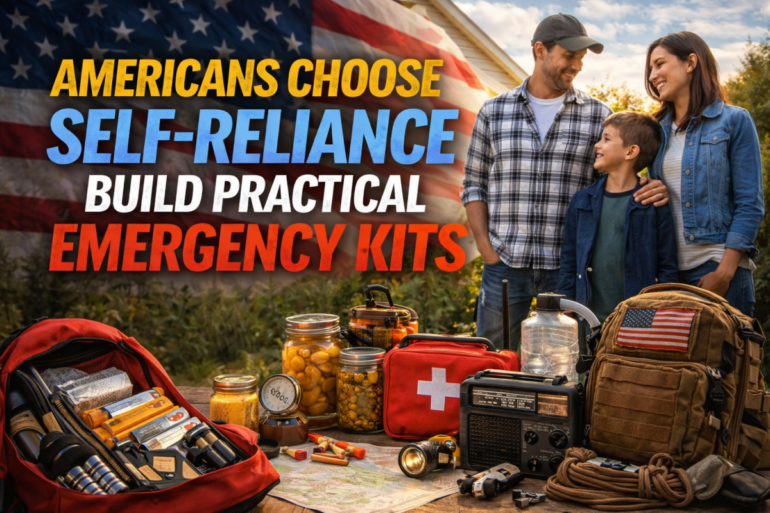
Supplies follow planning. The sensible categories are a home kit for core needs, a bug-out bag if you must evacuate, a get-home bag for times you’re away, and an everyday carry set for daily life. Build these gradually, prioritize essentials first, and avoid overpaying for flashy items you don’t yet know how to use.
One practical baseline is remarkably affordable: for about $100 you can create a foundation that matters. Thirty canned goods, a few gallons of water per person, and a battery-powered weather radio cover immediate needs for short regional outages. It’s not everything, but it’s a real start and immeasurably better than nothing.

Skills multiply the value of gear. Learning basic first aid, fire-starting, water treatment, and navigation will serve you longer than any single product and won’t be lost in a house fire. The frugal path is steady: buy what you need, learn how to use it, hunt for bargains, and add skills that make the whole kit more useful.
Preparedness is a practice, not a one-time project. Review plans at least annually, refresh supplies, and keep fitness and health in mind as ongoing priorities. Household compositions change, equipment wears out, and new risks appear, so a static plan quietly degrades into uselessness unless it’s maintained.
Finally, self-reliance isn’t paranoia; it’s realism. Emergency response often takes longer than people expect, and official guidance recommends being self-sufficient for at least 72 hours. Those who fared best in recent disasters were the ones with basic supplies, warmth, and a plan already in place. Start small, stay practical, and build resilience one sensible step at a time.
!function(r,u,m,b,l,e){r._Rumble=b,r[b]||(r[b]=function(){(r[b]._=r[b]._||[]).push(arguments);if(r[b]._.length==1){l=u.createElement(m),e=u.getElementsByTagName(m)[0],l.async=1,l.src=”https://rumble.com/embedJS/u1htl22″+(arguments[1].video?’.’+arguments[1].video:”)+”/?url=”+encodeURIComponent(location.href)+”&args=”+encodeURIComponent(JSON.stringify([].slice.apply(arguments))),e.parentNode.insertBefore(l,e)}})}(window, document, “script”, “Rumble”);
Rumble(“play”, {“video”:”v746ssy”,”div”:”rumble_v746ssy”});