
🔴 Website 👉 https://u-s-news.com/
Telegram 👉 https://t.me/usnewscom_channel
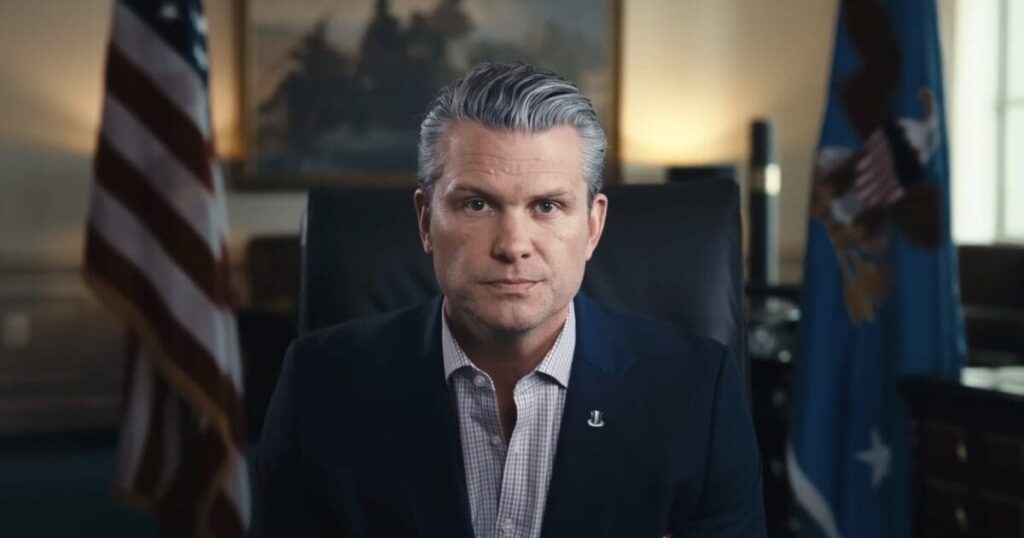
Secretary of War Pete Hegseth:
As I reported to you in December, in previous administrations our chaplain corps was infected by political correctness and secular humanism. The core functions of the chaplain corps were changed and watered down until they were viewed as nothing more than therapists.
Faith and virtue were traded for self-help. We started correcting that drift then, and today we’re going further. The crucible of combat tests more than the body. It tests conviction, character, and spirit.
The military’s chaplain corps serves as the spiritual and moral backbone of our nation’s armed forces. Chaplains help forge spiritual readiness across the force. That matters because in combat, in crisis and loss, a warfighter needs more than a coping mechanism.
They need truth — big T truth. They need conviction. They need a shepherd. And as I’ve said before, spiritual health is equally important to a service member’s physical and emotional health.
This update is part of our efforts to return the chaplain corps to its core mission of serving the spiritual needs of our warfighters — eighty-two percent of whom identify as being religious. Today I want to update you on two reforms we are undertaking to further make sure we’re making the chaplain corps great again.
In December I told you that we were going to revamp the military’s current faith and belief coding system, renaming it religious affiliation codes. The previous system had ballooned to well over two hundred faith codes. It was impractical and unusable.
Many codes were never used at all. An overwhelming majority of the military population used only six of the codes. Our internal review committee recommended that going forward the department use thirty-one religious affiliation codes.
This brings the code in line with its original purpose: giving chaplains clear, usable information so they can minister to service members in a way that aligns with that service member’s faith background and religious practice. The second reform I want to tell you about today concerns chaplain rank insignia.
The memo I will sign today directs chaplains — all of whom are officers — to replace the rank insignia on their uniform with their religious insignias. Their rank will not be shown. This speaks to the difficult balance of duality of a military chaplain.
A chaplain is first and foremost a chaplain, an officer second. This change is a visual representation of that fact. Specifically unique to the role of a chaplain, they are first and foremost called and ordained by God.


While they will retain rank as an officer, those served — their rank will not be visible. Instead it will be seen among the highest ranks because of divine calling. This reform is intended to uplift, celebrate a chaplain’s role as a chaplain.
It also removes any unease or anxiety junior officers or enlisted personnel may have approaching an officer — potentially a senior officer — for guidance on sensitive matters such as addiction, relationships, or struggles with faith. These two reforms are big progress, but not even close to being done.
They are the first step toward restoring the esteemed position of chaplain as moral anchors of our fighting force. Theirs is a high and sacred calling. They can only be successful if they are given the freedom to boldly guide and care for their flock.
To our chaplains: You have a sacred calling. So preach the truth. Be steadfast in your faith. Shepherd the flock entrusted to you.