

🔴 Website 👉 https://u-s-news.com/
Telegram 👉 https://t.me/usnewscom_channel
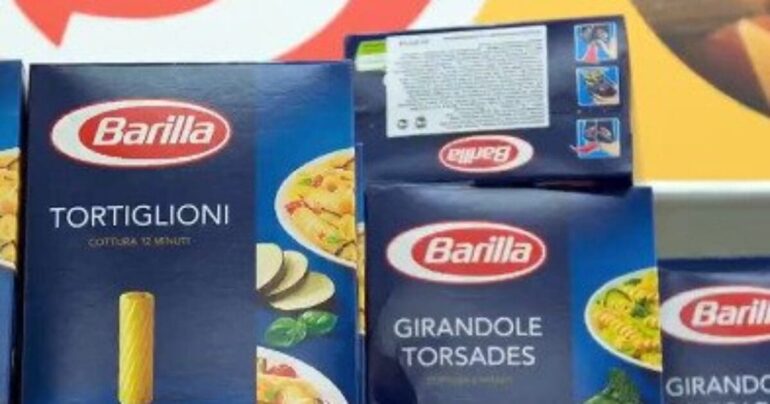
These Italian exporters just caught a break.
The Trump administration has announced it has reduced the tariffs for over a dozen pasta exporters from Italy.
The pasta exporters were initially issued tariffs for offering their products at a low price, which in turn posed a threat to U.S. pasta producers.
The Hill had more details to share about the tariffs being removed and the economics behind them:
The U.S. has significantly reduced proposed tariffs on 13 Italian pasta exporters, the Commerce Department said Wednesday.
The pasta-makers previously faced a potential 92 percent duty after the agency determined they were selling their pasta at unfairly low prices. Proposed tariffs on Garofalo were cut down to 13.89 percent, while those on La Molisana were reduced to 2.26 percent. The other 11 companies now face a 9.09 percent tariff.
“This post-preliminary analysis indicates that Italian pasta makers have addressed many of Commerce’s concerns raised in the preliminary determination, and reflects Commerce’s commitment to a fair, transparent process,” a Commerce Department spokesperson said in a statement.
“Commerce will continue to engage with interested parties to take into account all information before issuing the final determination,” they continued.
The agency is set to release its final results on March 12, opening up the analysis for comment in the meantime. It initially launched a review of Italian pasta exports in August 2024 following “requests by interested parties.”
Anti-dumping or countervailing duties are meant to offset the dumping of products at an artificially low price in U.S. markets.
The decision to ease pasta tariffs comes as President Trump separately opted to delay duties on imported furniture Wednesday. The president signed a proclamation pushing back the tariff hike by one year, citing “ongoing productive negotiations.”
The initial tariff was nearly 107%:
Italy’s top pasta makers could face a 107% tariff in the U.S., reigniting a decades-old rivalry with American companies. https://t.co/7WeIBK37Ar pic.twitter.com/VbpGZUSH3b
— The Wall Street Journal (@WSJ) November 10, 2025
Pasta isn’t the only product that has had their tariffs reduced.
CNN reported President Trump has also lowered tariffs for coffee and bananas:
President Donald Trump on Friday signed an executive order that retroactively lowers tariffs on beef, tomatoes, coffee and bananas, among other agricultural imports, backdated to Thursday.
The order Trump signed excludes the goods from “reciprocal” tariff rates, which start at 10% and go as high as 50%. However, the order doesn’t exempt the goods entirely from tariffs.
For instance, tomatoes from Mexico, a major supplier to the United States, will continue to be tariffed at 17%. That rate took effect in July after a nearly three-decade-old trade agreement expired. Tomato prices increased almost immediately after those tariffs were put in place.
Many of the commodities that will no longer face “reciprocal” tariffs have seen some of the biggest price increases since Trump took office, in part because of tariffs he imposed and a lack of sufficient domestic supply.
For instance, Brazil, the top supplier of coffee to the US, has faced tariffs of 50% since August. Consumers paid nearly 20% more for coffee in September compared to the prior year, according to Consumer Price Index data.
The move comes after voters expressed frustrations with the state of the economy in exit polls earlier this month, voting for Democrats in off-year elections in several states.
This is a Guest Post from our friends over at WLTReport.