
🔴 Website 👉 https://u-s-news.com/
Telegram 👉 https://t.me/usnewscom_channel
OAN Staff Addie Davis
1:52 PM – Tuesday, March 24, 2026
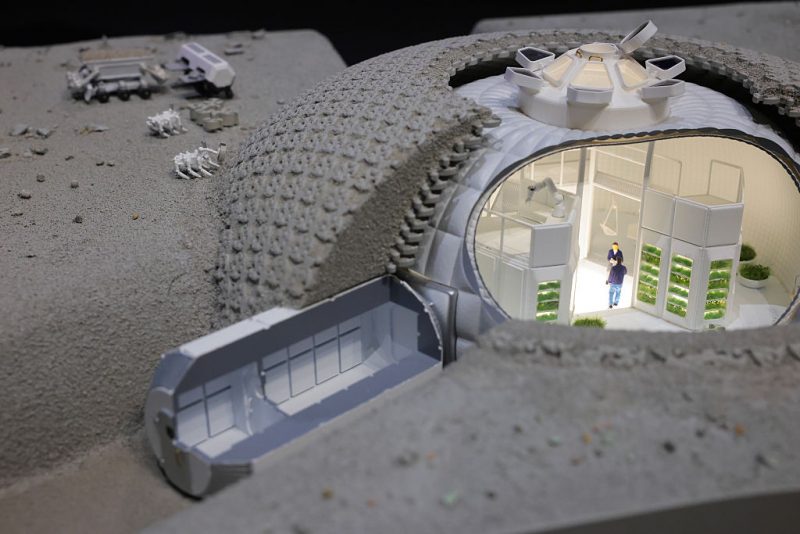
The National Aeronautics and Space Administration (NASA) has revealed plans to build a base on the moon, repurposing its Gateway program —originally designed as a lunar space station—to help establish a sustained presence on the surface.
“NASA is committed to achieving the near-impossible once again, to return to the moon before the end of President Trump’s term, build a moon base, establish an enduring presence, and do the other things needed to ensure American leadership in space,” NASA Administrator Jared Isaacman said in a Tuesday press release of the Ignition event, which provided updates on efforts to execute President Donald Trump’s national space policy.
While speaking at the event, Isaacman predicted the project would cost an estimated $20 billion over the next seven years. According to Bloomberg, it will cost $30 billion over the next decade.

“It should not really surprise anyone that we are pausing Gateway in its current form and focusing on infrastructure that supports sustained operations of the lunar surface,” Isaacman said, announcing the intention to repurpose equipment and international partnerships, while noting the changes bring new challenges.
He quoted that surface operations include advantages in safety, tech demonstration, science and provides insight for future Mars initiatives. However, he iterated this does not rule out a possible future lunar space station.
The project will unfold in three phases, the press release said: build, test, and learn; establish early infrastructure; and enable long-duration human presence.
In several X posts, Isaacman highlighted topics covered in the presentation, emphasizing American leadership in space.
“We will win the second space race,” Isaacman stated. “America will never give up the moon again.”
In December, Trump signed an executive order mandating the return to the moon by 2028 and the establishment of initial elements for permanent lunar outposts by 2030, enabling the next steps in Mars exploration. This has placed pressure on the space agency to make good on the charge.
Isaacman also spoke on the plan for an increased launch cadence of missions to the moon, which he had previously announced. This includes the hope of landing astronauts on the lunar surface in 2028, which would be the first time since the 1970s.

The presentation covered other topics, including the planned launch of Space Reactor-1 Freedom, “the first nuclear powered interplanetary spacecraft,” to Mars before the end of 2028.
Stay informed! Receive breaking news blasts directly to your inbox for free. Subscribe here. https://www.oann.com/alerts


What do YOU think? Click here to jump to the comments!
Sponsored Content Below